
Stories from Earth
Landscape Partner: Lessons from building bridges


Supporting territorial regeneration processes involves much more than implementing activities in a particular place. For those who serve as Landscape Partners, it also means getting to know the stakeholders, understanding their needs, strengthening their capacities, and connecting their initiatives with institutions, resources, and opportunities.
In Abancay, Apurímac, CEDES (Center for Social Studies and Development) has been doing this work for years. Augusto Ramírez Vicencio, who has worked in the region for more than three decades, has been part of this process and has learned that supporting a landscape requires building relationships of trust, facilitating agreements, and, above all, helping communities move forward based on their own priorities.
His experience offers several lessons about what it means to be a Landscape Partner.
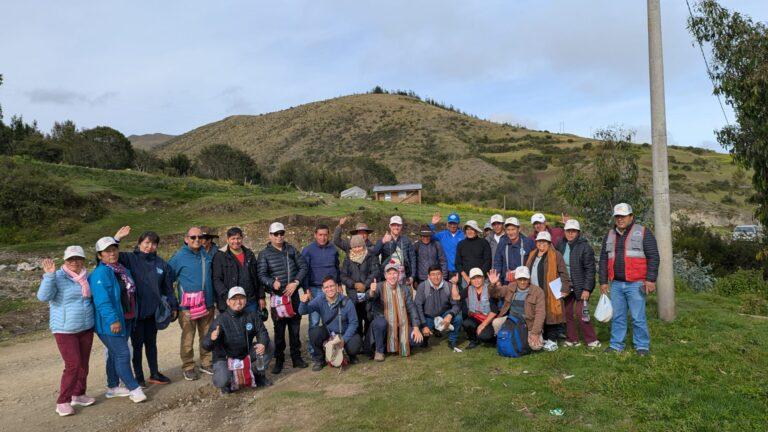
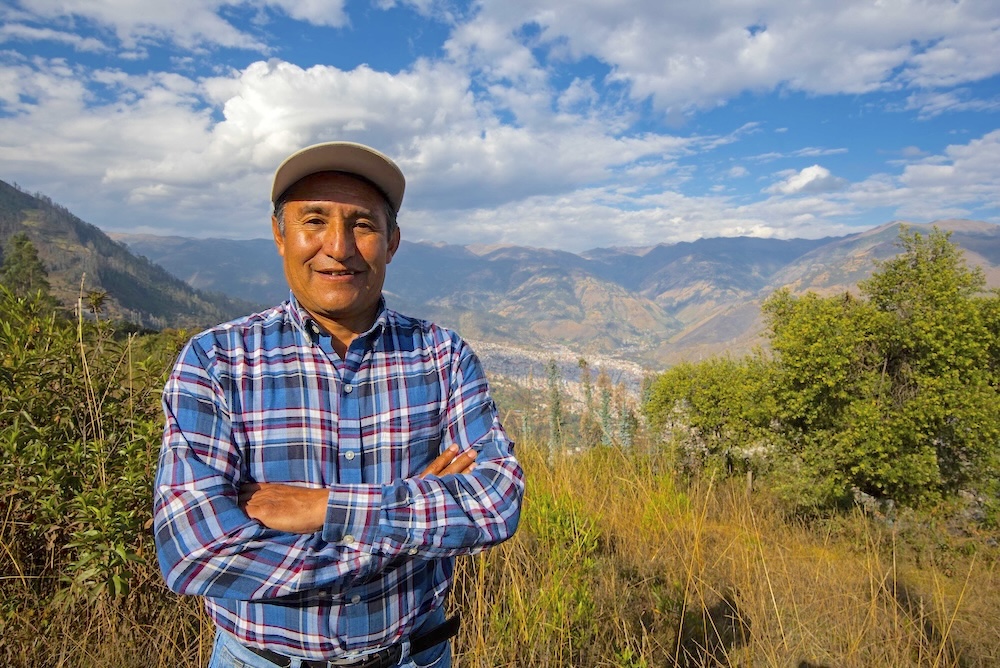 Augusto Ramírez in Abancay
Listening before proposing
One of Augusto’s first lessons is that support should begin with concerns that already exist in the landscape.
In the Mariño micro-watershed, for example, the declining availability of water was a growing concern among communities. The response did not begin with a predetermined solution, but with a process of understanding what was happening and what alternatives could be developed.
From there, actions were promoted to harvest and store water, while other factors affecting water availability were identified, such as the need to conserve headwaters and protect ecosystems that regulate water flows.
For Augusto, these kinds of processes show that the role of a partner is not to impose its own agenda, but to help organize a concern that already exists and, together with communities, turn it into a course of action.
Supporting means strengthening capacities
Supporting communities does not mean doing things for them. An important part of CEDES’s work is strengthening their capacity to identify their priorities, develop their own agenda, and participate in discussions and negotiations with other stakeholders.
This requires finding ways to foster participation that are meaningful to people. Throughout its work, for example, CEDES has used community competitions to promote initiatives for fire prevention and water monitoring. In addition to encouraging concrete action, these spaces provide an opportunity to recognize participants’ efforts and strengthen their sense of belonging.
Annual meetings and peer-review processes serve a similar purpose: reviewing progress, identifying challenges, and collectively deciding on the next steps.
Experience has shown that participation cannot be sustained simply by inviting people to take part. It is also necessary to create conditions that encourage them to get involved, recognize the results of their work, and see value in continuing to participate.
Knowing the landscape means knowing its stakeholders
The work of a Landscape Partner requires a close relationship with the land, but also with the people and institutions that have the ability to influence it.
At CEDES, Augusto has participated in processes related to water-resource management, agroecology, conservation, and territorial governance. Beginning in 2016, this work placed greater emphasis on the restoration and recovery of degraded ecosystems, linking these efforts to food security and access to water.
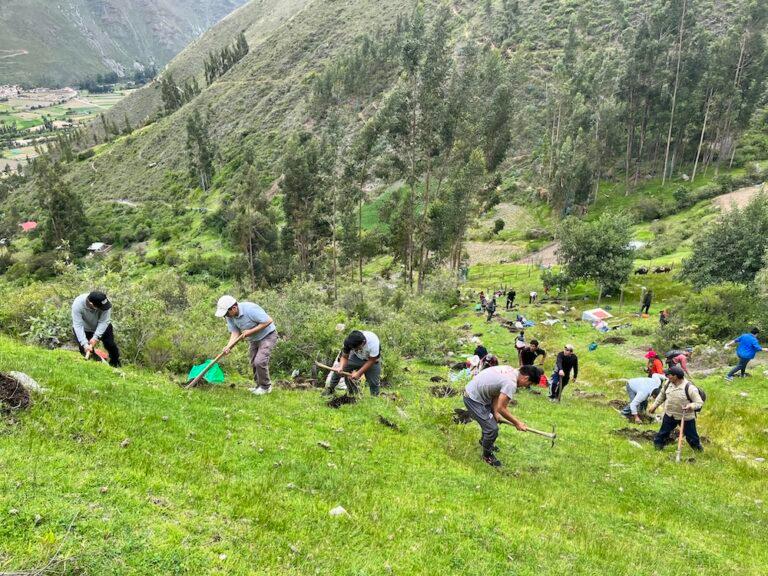
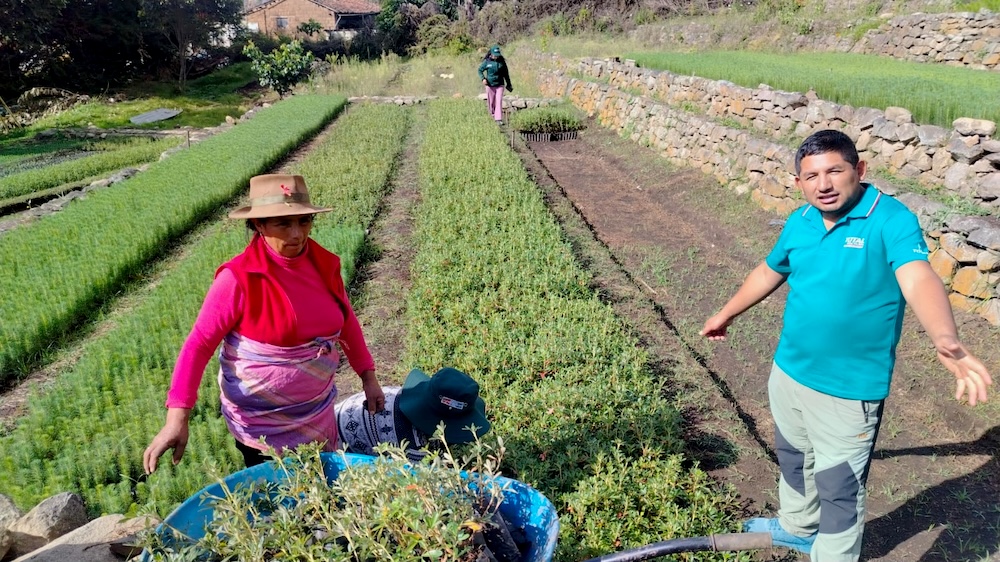 A reforestation campaign of Quenua
EIn 2018, CEDES began working with Nature Services under a landscape-management approach and, since then, its experience has been connected to the work of the Regenera network. Knowing the communities and having built relationships of trust with their representatives is one part of this work. The other is knowing the public institutions, organizations, and other stakeholders that can help an initiative move forward.
Understanding both sides allows the partner to grasp each stakeholder’s needs and possibilities, identify areas of common ground, and facilitate conversations that would be unlikely to happen spontaneously.
Turning a need into a course of action
Another lesson has been understanding that a concern may be widely shared without necessarily being formulated as a proposal capable of mobilizing other stakeholders.
This is where one of the more technical functions of supporting a process comes into play. When a community identifies a need, CEDES can help clarify what should be done, where, with what resources, which institutions could become involved, and what conditions are needed to move forward.
The process surrounding Lake Rontoccocha is an example. Based on concerns related to water and conservation, a proposal has gradually been developed to protect the area and work toward its recognition as a regional conservation area. The process aims to contribute to the protection of water resources and biodiversity, including bird species identified as threatened.
The proposal requires the participation of different stakeholders and decisions that go beyond the capacity of any one organization or community. In this case, the partner’s role is to support the process, contribute information and technical expertise, and help connect the initiative with the relevant institutional forums.
Support, however, does not guarantee an outcome. One of the lessons from this experience is precisely the importance of recognizing the limits of the role. A partner can facilitate a conversation, identify an opportunity, or help develop a proposal, but cannot make decisions on behalf of institutions or guarantee that an initiative will secure the resources it needs.
Building bridges requires sustaining relationships
Territorial coordination does not end when a meeting is secured or an agreement is reached.
In Abancay, one of the main challenges is continuity. Authorities change, institutions shift their priorities, and teams are replaced. A relationship built over years needs to be cultivated again when a new administration takes office.
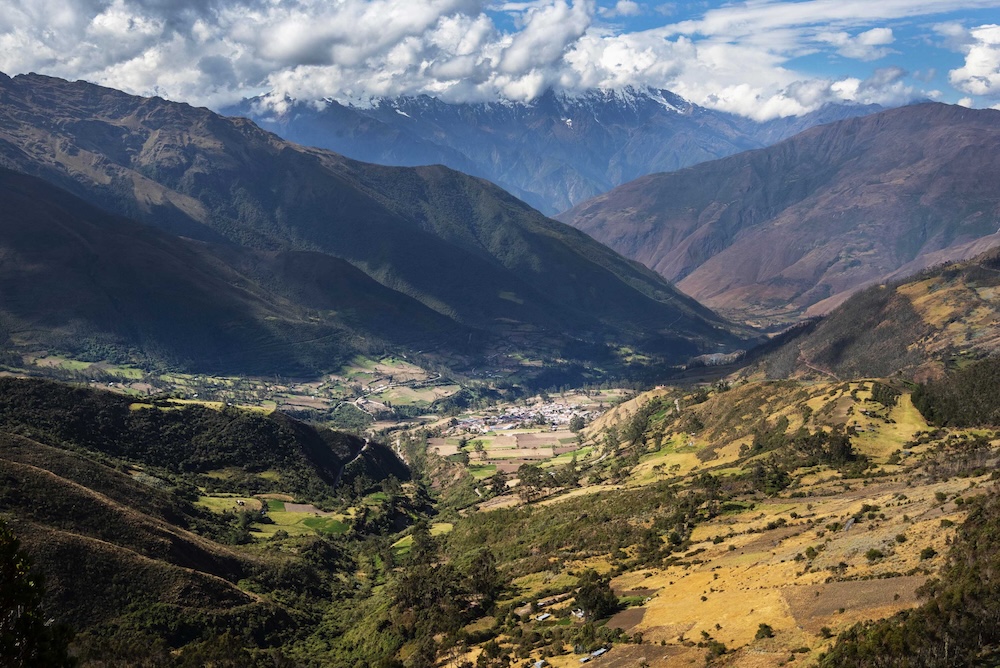 Abancay Landscape
Maintaining these relationships therefore requires ongoing communication and presence. It means explaining processes again, bringing new stakeholders up to date, rebuilding trust, and seeking opportunities for dialogue. It also means understanding each institution’s limitations. Local and regional governments have responsibilities related to environmental management, but they must also respond to immediate emergencies or may have limited human and financial resources to sustain long-term processes.
The partner helps bring communities’ needs into these spaces and identify opportunities for collaboration, but must also know what not to promise. For Augusto, managing expectations is part of providing support. Building a connection creates an opportunity, but does not guarantee a project.
Thinking beyond the project
Perhaps one of the most important lessons from this experience is that projects have a limited lifespan, while territorial processes require continuity.
A project may fund an activity, facilitate community participation, or create a space for dialogue. But when the funding ends, the relationships and governance mechanisms built during that period need to continue.
In this sense, the work of a Landscape Partner is not simply to implement activities for as long as a project lasts. It also means asking what capacities have been left in place, which relationships have been strengthened, which agreements remain in effect, and what conditions exist for the process to continue.
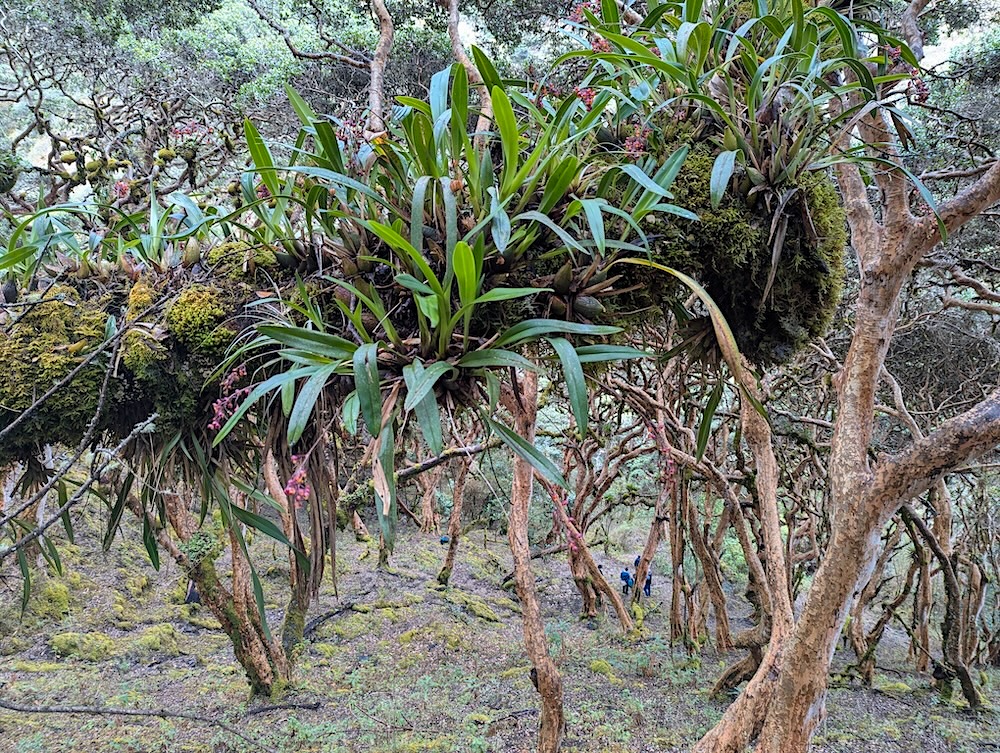 An Unca forest
The resources allocated through Regenera to recognize the work of Guardians can, for example, help cover some of the costs involved in participating in these processes, such as transportation and logistics. These mechanisms help acknowledge that governance also requires time and resources. But sustainability requires communities to maintain their own agenda and for relationships among different stakeholders not to depend exclusively on a project.
Learning to be a Landscape Partner
CEDES’s experience shows that being a Landscape Partner does not mean having all the answers or leading territorial processes. Rather, it means listening, understanding, connecting, facilitating, and supporting. Sometimes this involves providing technical knowledge; at other times, opening an institutional door, bringing different stakeholders together, or helping a community express and sustain its own agenda.
It also means recognizing the limits of one’s own role and understanding that territorial change depends on decisions and capacities that no single stakeholder can control on its own.
For Augusto, an important part of the learning has been precisely that building bridges is not simply about connecting stakeholders, but about creating the conditions for them to meet, recognize one another, and work together toward shared goals.
In this sense, the role of a Landscape Partner is built over time. It is not simply about supporting an intervention, but about contributing to the development of greater capacity, stronger relationships, and more spaces for decision-making so that regeneration processes can endure.
Subscribe to our monthly newsletter and discover more about our work!
Tags
- Collective action
- Landscape Partner
- Lessons learned
Related articles
- Stories from Earth
- Abancay
Read articleWhat an organised Landscape can accomplish in one year
Enrique Zuñiga

- Stories from Earth
- Abancay
Read articleQuarterly progress meeting with Abancay Guardians
Gabriel Herrera
- Regenerate Together
- Abancay
- Machu Picchu