Stories from Earth
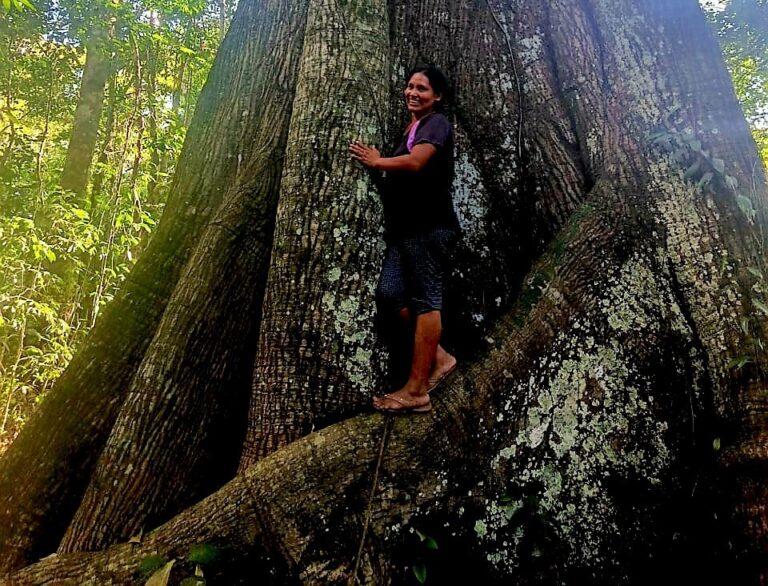
Shipetiari: a community that chose to conserve its forest

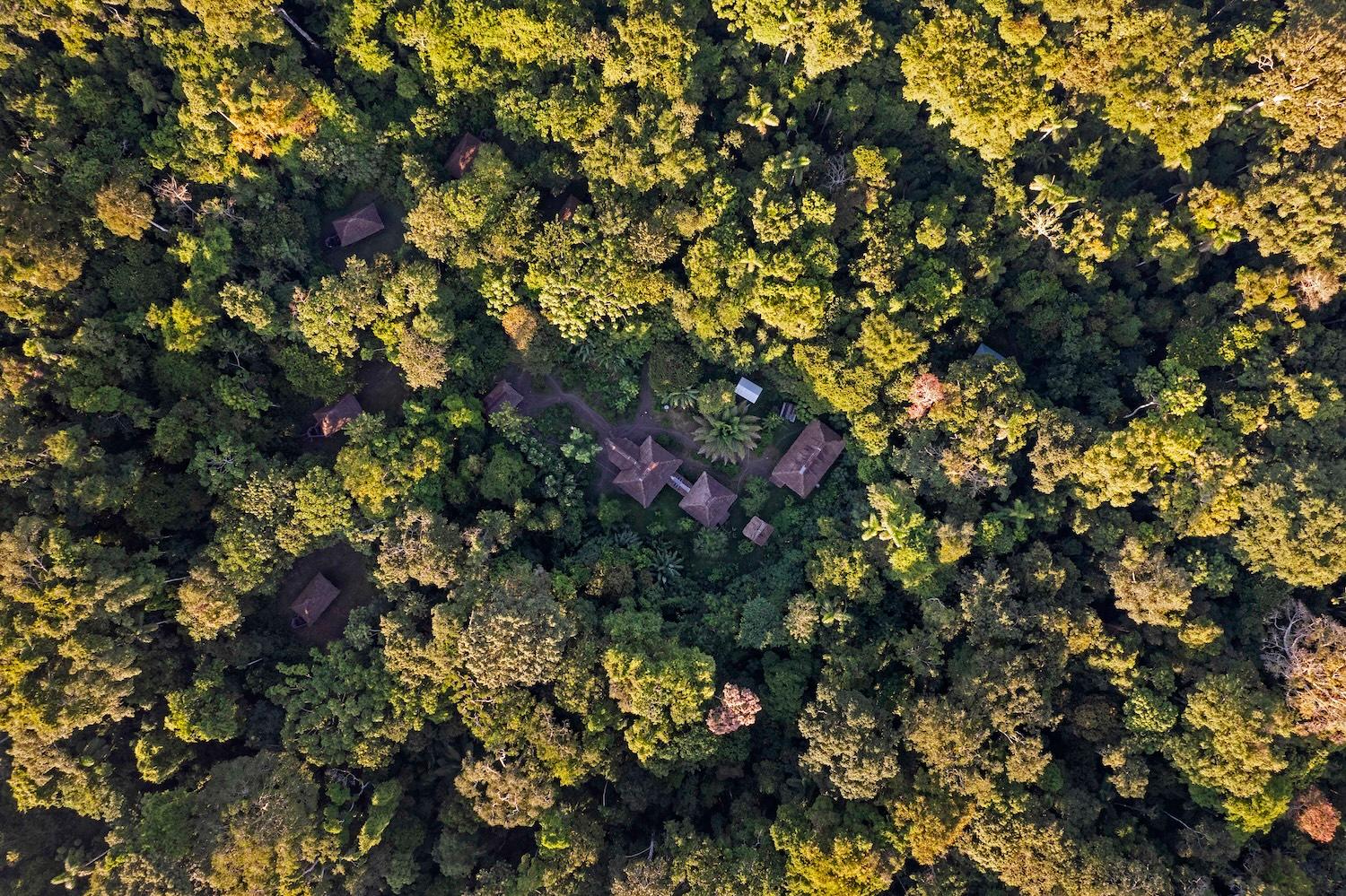
The story of conservation in Shipetiari began before the implementation of the ecosystem services compensation mechanism with Regenera. Juliana Aráoz and Rufina Rivera, the current and former leaders of the community, share the lessons and challenges of a territory that chose to invest in protecting its forest.
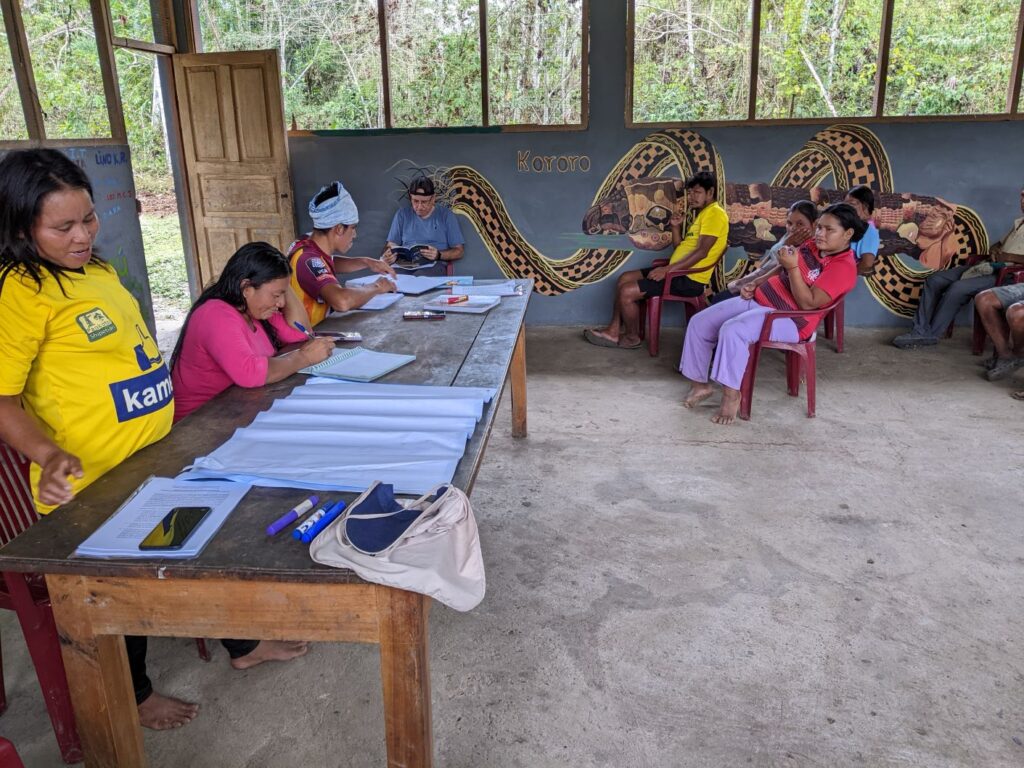
Community meeting in Shipetiari
The story of Shipetiari as an organised community began in 1996. Before then, families lived scattered across their individual farms. The territory functioned as a former estate, where several families worked for a landowner dedicated to growing cocoa and coffee. Gradually, with the support of local leaders, outside collaborators, and the Dominican mission, the families began organising until they officially became a Native Community.
Over the years, Shipetiari faced the challenge of building an organization capable of responding to the territory’s evolving needs. Juliana Aráoz, the current leader of the Shipetiari Native Community, represents a new generation seeking to strengthen opportunities within the community. Rufina Rivera served as community leader from 2019 to 2026 and became the first woman to hold the position.
Despite leading the community at different moments, both agree on one of today’s greatest challenges: ensuring that younger generations can find opportunities without having to leave their territory. Many young people wonder what kind of future they can build in the community when there are so few employment opportunities. In response, Shipetiari is working to strengthen activities such as tourism and other forest-based enterprises, demonstrating that remaining in the territory can also be a viable way of life.
A decision to conserve
Long before establishing external partnerships or receiving financial compensation, the community had already gone through an internal process of reflection about how to manage its territory. As Rufina Rivera recalls, timber extraction once generated conflicts within the community. Some people benefited more from the forest than others, creating internal tensions. Faced with this situation, the community decided to pursue a different path.
“To avoid these problems, we decided that conservation was the way forward,” she says.
This shift meant strengthening alternatives such as tourism and, later, developing partnerships aimed at recognizing and rewarding forest stewardship. In 2011, Shipetiari began working with the NGO SEPERU after representatives from the organization visited the community to propose a collaborative initiative. At the time, they found a community-owned lodge that was no longer operating, along with a community interested in developing tourism but in need of stronger management skills.
Over time, the community strengthened the lodge’s operations by creating work teams responsible for different areas, including the kitchen, laundry, and coordination. Although challenges related to administration and accounting remain, Juliana says the experience has enabled community members to develop new skills and take on greater responsibilities in community management.
Recognizing forest stewardship
For Shipetiari, receiving financial compensation for conserving its forest represents an opportunity to strengthen community life. The funds have been used to respond to health emergencies, support students, and finance collective activities such as forest patrols and legal registration with SUNARP and SUNAT.
“We have always conserved our forest without receiving anything in return. The incentive we receive is still small, but it is a contribution that really helps us,” Juliana explains.
Rufina also recognizes the importance of these resources in meeting the community’s needs. At the same time, based on her experience, she believes the model faces important challenges. As the network of communities participating in Regenera has grown, the resources distributed to each community have decreased, creating a need for more companies to join the network and expand the available funding.
For her, conservation also requires recognizing the effort involved in protecting the territory. Community monitoring and patrols demand time and, in some cases, expose those who carry them out to significant risks. At the same time, Rufina emphasizes that communities must retain the autonomy to decide how to manage their own territories.
Today, the community continues working to diversify its livelihoods. In addition to tourism, Shipetiari produces copaiba oil and manages both communal and family farms. For its leaders, conservation cannot be separated from the ability to generate income and ensure community well-being.
A future for the next generation
Conserving the forest does not mean standing still in the face of change. Rather, it means finding ways to engage with change while maintaining a strong connection to the territory. Yet the challenges are considerable. The need to leave the community to attend secondary school, the lack of local employment opportunities, and the emergence of new economic activities all risk drawing younger generations away from their homeland.
For Juliana, strengthening opportunities within the community is therefore a top priority. She fondly remembers when her father, Felipe—one of the community’s founders—encouraged her to stay and build her life there. He convinced her by showing her that there was still so much to do: protecting the territory and learning how to make a living from the forest by combining the ancestral knowledge of those who have lived there for generations with new ideas and skills that can also come from outside.
“I don’t want my children, 15 or 20 years from now, to see us as loggers. I want us to continue conserving our forest,” she says.
After years of organization, learning, and partnerships, Shipetiari continues forging its own path. It is a path where conservation is not simply an environmental strategy, but a collective decision that must remain connected to the needs, aspirations, and challenges of the people who call the community home.
Tags
- Community
- Forest Guardians
Related articles

- Stories from Earth
- Manu