
Regenerate Together
A natural connection: ecological corridors

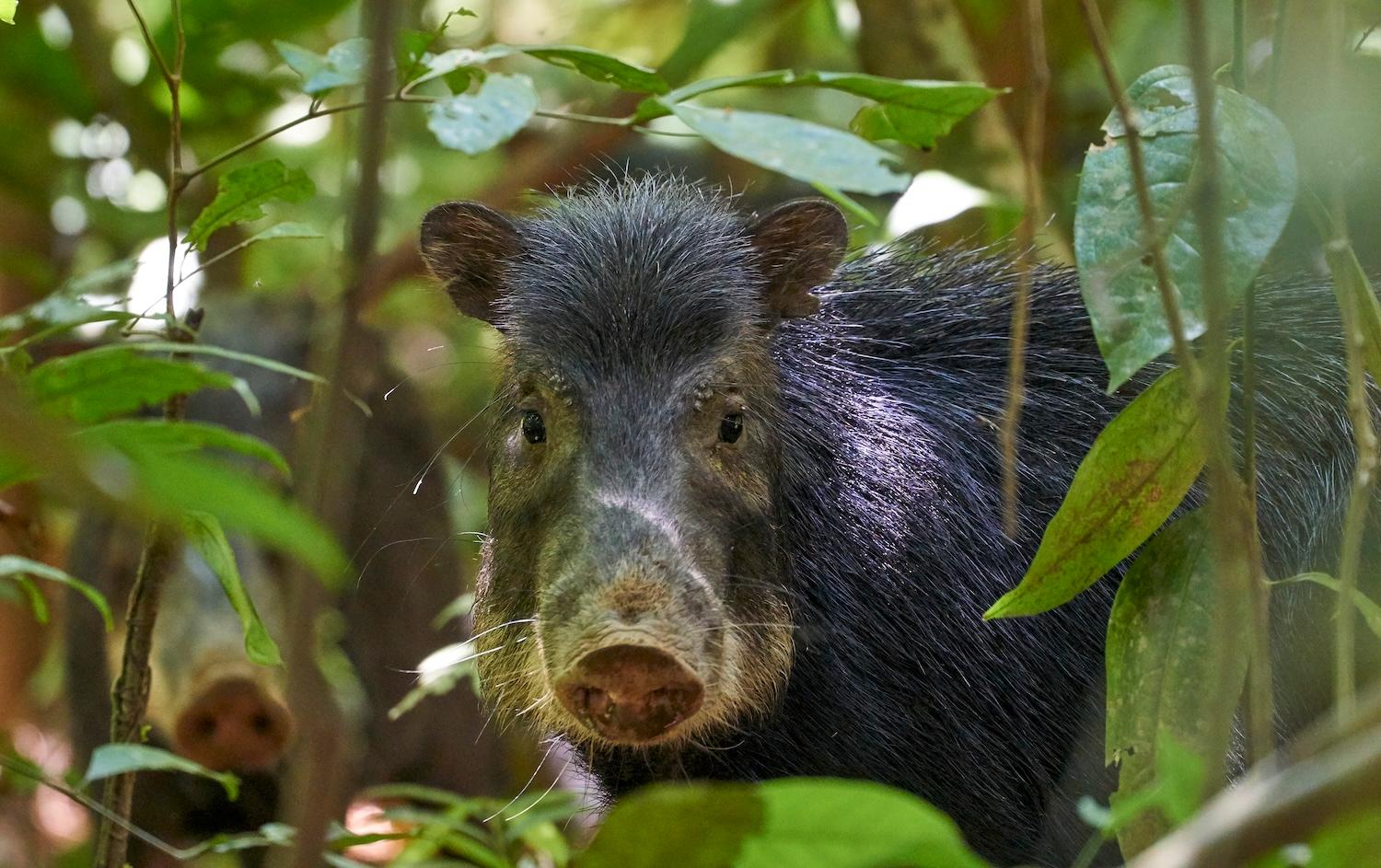
For Regenera, the creation of ecological corridors that enable wildlife connectivity is a crucial approach to better governance of the landscapes where it works. This is how our Guardians in the field organize and convene new communities and individuals to integrate a line of defense against the multiple threats to our natural heritage.
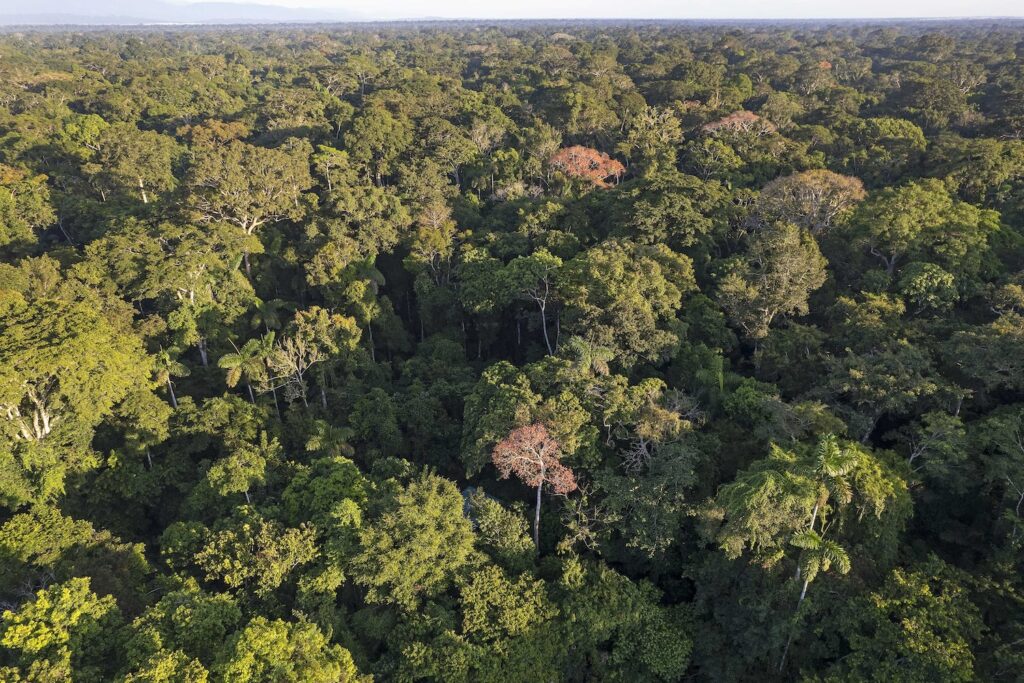
Ecological corridors allow flora and fauna to flow freely in spaces degraded by human activities.
Don Modesto Challco has dedicated his entire life to Manu National Park, first as part of the ProManu team, working for various non-governmental organizations, and then as head of the protected natural area, a position he held twice. Today, this amauta (teacher, in Quechua) fights to protect one of the most important natural spaces on the planet as a conservationist, promoting the creation of a conservation corridor that connects Manu with the neighboring Amarakaeri Communal Reserve, a territory today threatened by the advance of gold mining and illegal coca leaf cultivation.
As a private landowner in the Aguanos sector – the local name for the tornillo, a tree prized for its good wood that has been virtually wiped out in the Peruvian Amazon – don Modesto has convinced his neighbors to join Regenera and together create a corridor that allows flora and fauna to thrive between these two areas. “Thirty years ago, when I acquired my farm in Aguanos, I thought of dedicating it to traditional agricultural activities, but when I saw the potential it had for conservation and activities such as tourism, we decided to recover the forest. Over the years, the tree cover grew and today it is a refuge for wildlife, especially mammals and birds, which play a fundamental role in the preservation of the forest. That is why we began to dream of establishing a micro-corridor that will connect Manu with Amarakaeri, two areas of great importance because of their diversity, which are now threatened. “Modesto comments.
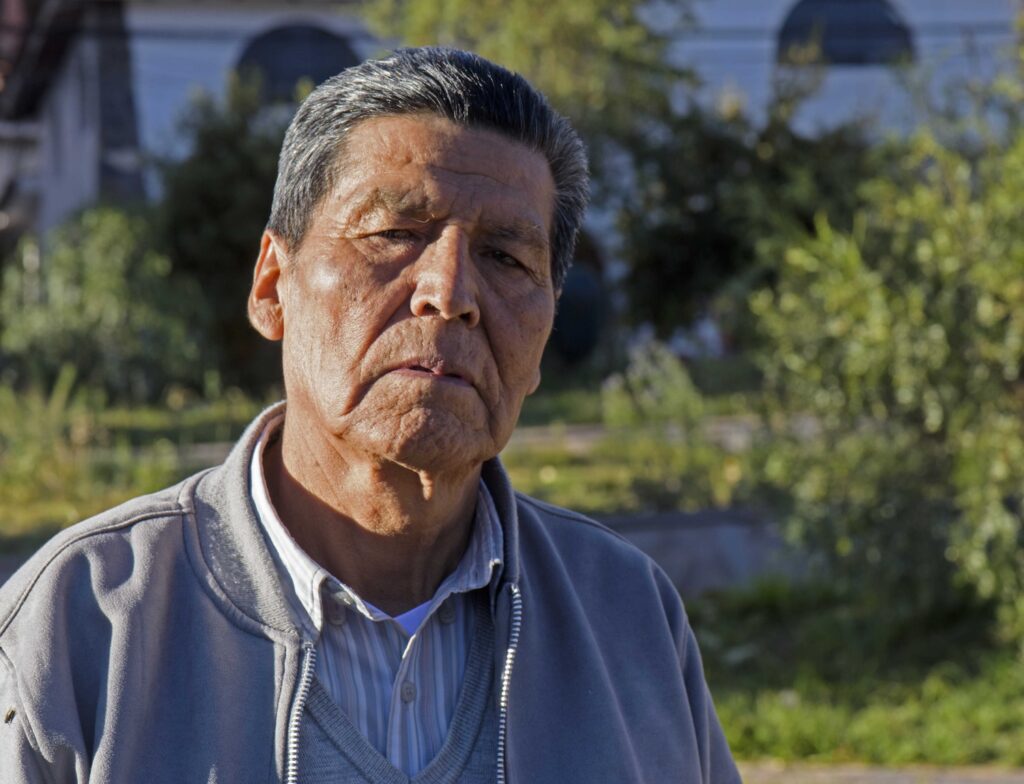
Modesto Challco has dedicated his life to the Manu Landscape and today seeks to consolidate an ecological corridor that connects the National Park with the Amarakaeri Communal Reserve.
Ecological corridors play a key role in places where fragmentation of natural habitat has cut off the free flow of wildlife. For the ecologist Pieter van de Sype, in his book Corridors of lifeThe degradation of ecosystems and their habitats is perceived in terms of loss of area or vegetation cover… The latter causes habitats to become smaller and smaller and, when fragments are far apart, species cannot move, that is, they become isolated, putting their survival at risk.
To Nick Haddad and colleagues[1]1], habitat fragmentation is one of the main threats to biological diversity, causing a loss of biodiversity of 13-75% in ecosystems around the world, as well as a decrease in the capacity of ecosystems to provide goods and services.
Patricio Zanabria, director of SePerú, technical partner of Regenera’s Manu Landscape, comments: “For us, the establishment of conservation corridors is very important because it allows people who want to take care of nature to make a common cause, to recognize each other, to share a common interest. This is what we are looking for in Manu, which allows us to create bonds and defend a shared territory. .”
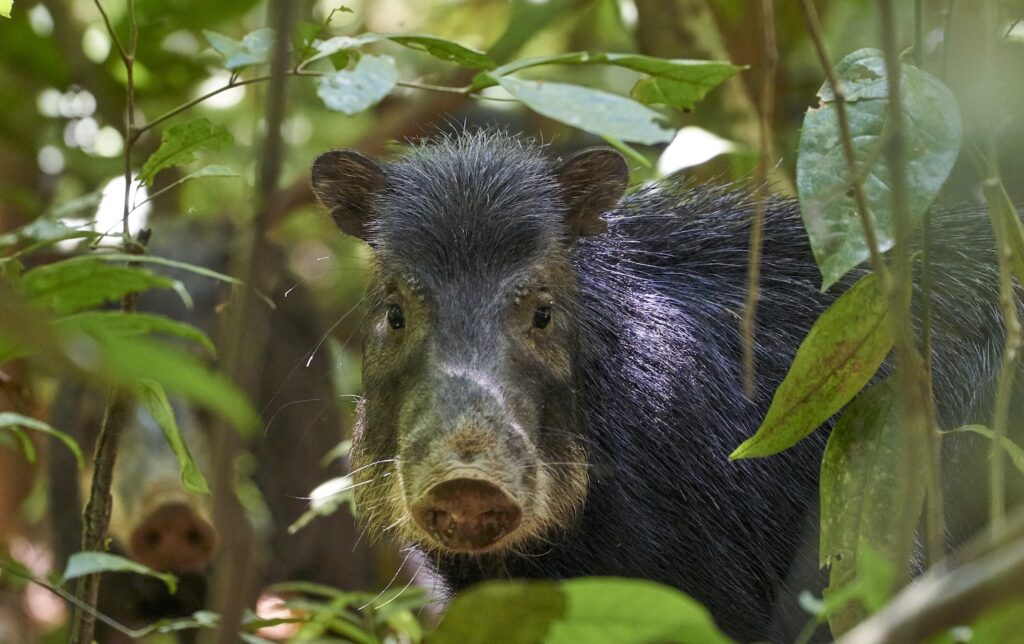
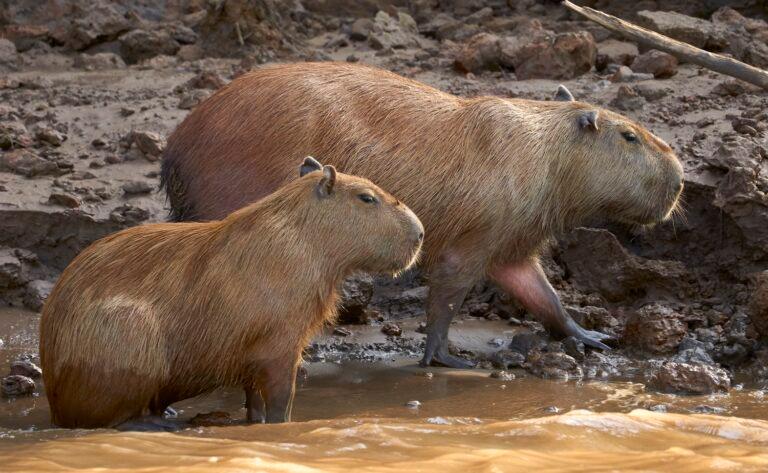
The corridors allow fauna such as the huanganas to move freely and fulfill their important functions as seed dispersers.
The case of Regenera’s Manu Landscape is one that is replicated in the other regions where it works. For example, in the Requena Landscape, the communities of the Tapiche and Blanco rivers seek to unite to create a line of defense for the Matsés National Reserve and the territories occupied by the isolated indigenous people of this vast region. And in Abancay, the peasant communities that make up Regenera have become a wall of Andean forests that provide water and other ecosystem services to a region that has been hit hard by drought and the climate crisis.
This is an example of how Regenera works not only by providing economic income for the care of nature and its services, but also as a force that brings people and communities together in pursuit of better governance and joint efforts for better resource management and the recovery of natural spaces. In short, a bet for a better shared future.
[1] Haddad et al. (2015) Habitat fragmentation and its lasting impact on Earth’s ecosystems. In: Science Advances. Vol. 1 [2].
Etiquetas
- Biodiversity
- Forest Guardians
- Amazon
Artículos relacionados
- Historias de la Tierra
- Manu
Leer artículoDiez años después, volvimos a donde todo empezó
Enrique Zuñiga

- Aliados en Acción
- Machu Picchu
- Manu
Leer artículo¿Cómo reducir el impacto de construir? La pregunta detrás un nuevo hotel en Machu Picchu
Margony Palacios
- Aliados en Acción
- Manu
- Machu Picchu