
Partners in Action
How can we reduce the impact of construction? The question behind a new hotel in Machu Picchu

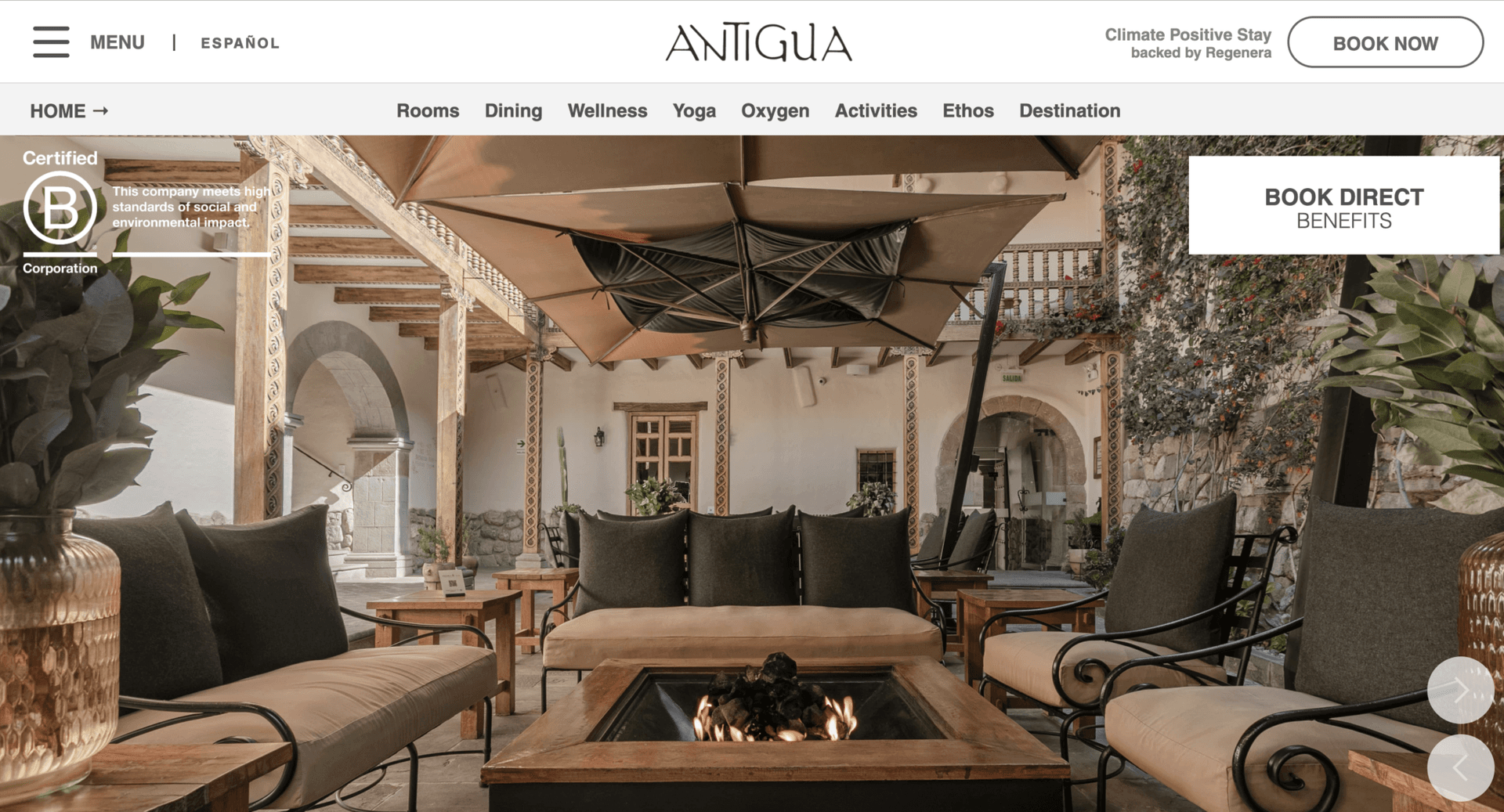
The global impact of the construction sector shows that it is one of the most complex industries to transform. According to the United Nations Environment Programme, the sector generates nearly 40% of global carbon dioxide (CO₂) emissions. How can we reduce this impact? That is the question that ComoCasa, the same group behind Antigua Casona San Blas in Cusco, sets out to answer. The company is building a new boutique hotel, Ceja de Selva, in Machu Picchu Pueblo. Accompanying this process presents a new challenge for Regenera and, at the same time, an opportunity to look at how companies and the market are changing.
ComoCasa’s efforts to improve its relationship with its surroundings are not new. For several years, its first property has been implementing concrete measures to reduce its impact and engage with its environment more responsibly. Its hotel in San Blas has a zero-plastic policy, its own vegetable garden that supplies ingredients for guests’ consumption, solar panels, a waste-segregation system, and responsible sourcing practices that prioritise short supply chains.
Along this journey, its partnership with Regenera has been valuable, as it has enabled the company to understand the actual impact of its operations by measuring its carbon footprint and to make concrete decisions to reduce it. However, taking on the challenge of building a new property raised an even more complex question: how high is the environmental cost of building it, and what can we do about it?
The construction is taking place on particularly challenging terrain: the project comprises seven levels, including two basement floors, and requires deep foundations in an area of high seismic activity. In addition, materials and supplies must travel the final leg of their journey by train, as there is no road access. To understand the scale of this challenge, the company decided to begin by quantifying the carbon footprint of the construction. Together with Regenera, the project applied the ISO 14067 and EN 15978 standards, taking into account emissions associated with the production of materials, transportation, and construction work on site.
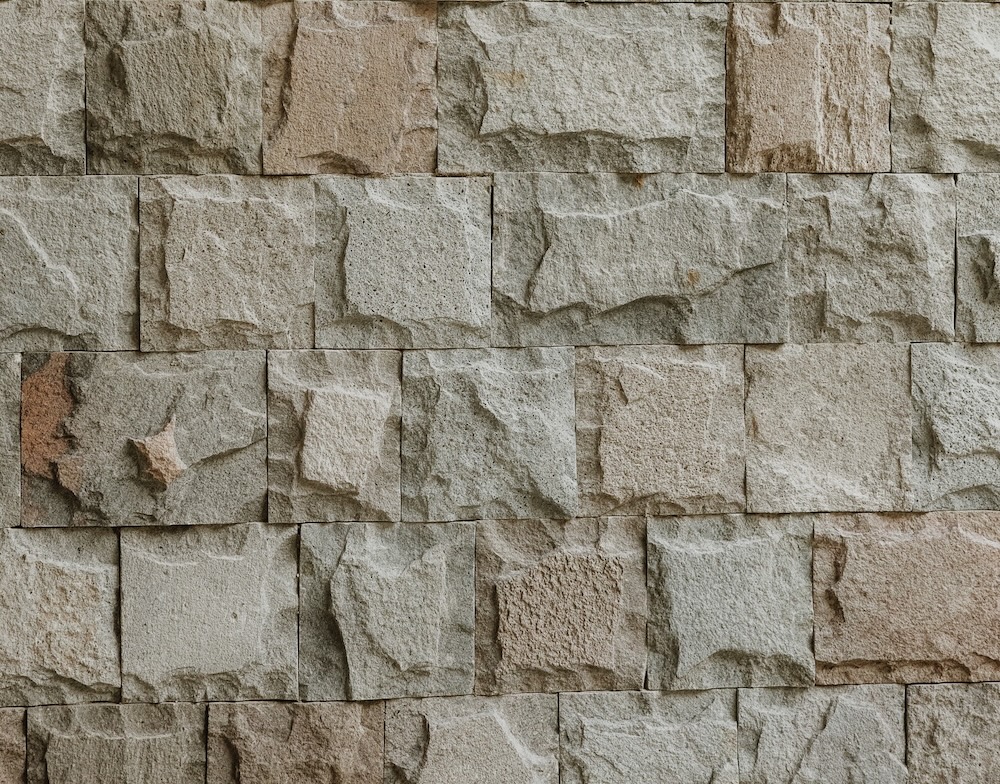
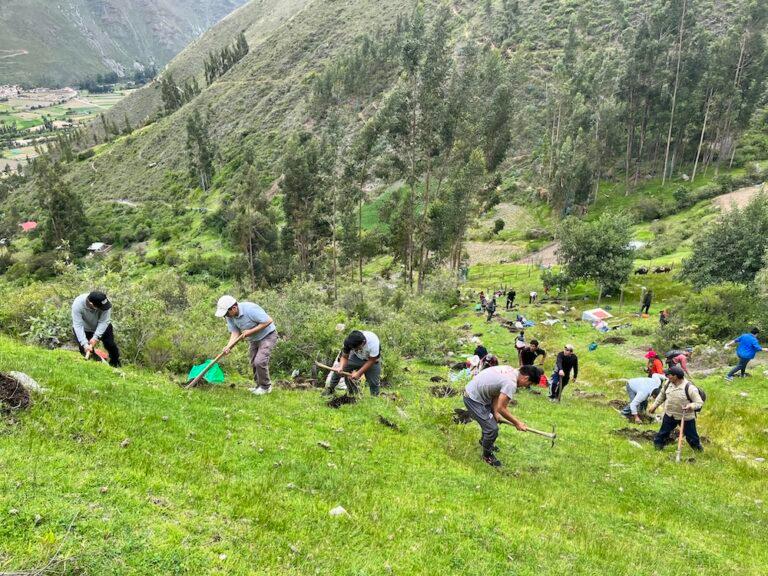
Image: ComoCasa construction progress archive
Although significant, the footprint was below the range typically reported for hotel construction in Latin America, estimated at 500-900 kg of CO₂ per m². For Ceja de Selva, the estimated impact is 333 kg of CO₂ per m², equivalent to 980 tonnes of CO₂e for the project’s 2,943 m².
This difference largely results from decisions made during the design and material-selection processes. The company chose pozzolanic cement (Yura Type IP) instead of conventional cement, avoiding about 175 tonnes of CO₂. It also uses reinforcing steel produced in an electric arc furnace from recycled scrap, rather than steel produced in a blast furnace, avoiding approximately another 145 tonnes of CO₂. Another distinctive feature of the project’s logistics is that the final leg of transportation, from Cusco to Aguas Calientes, is carried out by train rather than truck, so transportation accounts for around 7% of the total footprint.
In addition to implementing measures to reduce its footprint, ComoCasa has decided to offset the residual impact through Regenera’s Guardianes network. The compensation is split between two landscapes near the project: 60% in Manu and 40% in Machu Picchu. This translates into real hectares of forest protected and restored, as well as resources that reach directly the people who make this conservation work possible.
The lodge is still under construction, so the current measurement represents only a partial footprint. Once the building is completed, the assessment will be finalised, and the remaining emissions will be offset. This process aims to build with an honest understanding of the project’s impact and to place the natural environment at the heart of decision-making.
Etiquetas
- Responsible tourism
- Regenera celebrates 10 years
- Construction sector
Artículos relacionados
- Aliados en Acción
- Machu Picchu
- Manu
Leer artículo¿Cómo reducir el impacto de construir? La pregunta detrás un nuevo hotel en Machu Picchu
Margony Palacios
- Aliados en Acción
- Manu
- Machu Picchu
- Regeneramos Juntos
- Abancay
- Machu Picchu