
Stories from Earth
Palotoa never stops: from institutional agreements to patrols in the cold

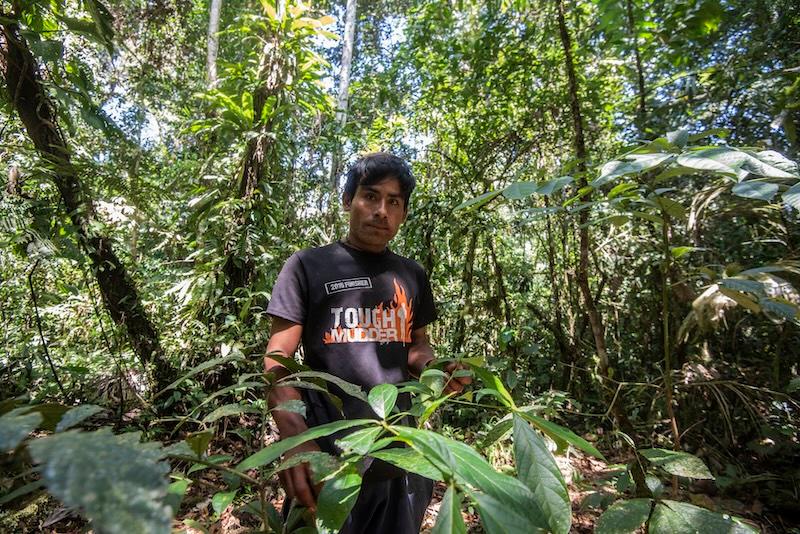
After nearly two months, sunlight once again streamed unobstructed into the community hall. The “friaje”—that damp, penetrating cold that creeps into the southern rainforest and lingers for days or weeks—had finally subsided. “We’re getting back to normal, eager to work for the community“, wrote Arnold Semperi, community leader of Palotoa, in June. A clear dawn, he said, was enough to lift everyone’s spirits.
That scene—a community shaking off the cold and getting back on its feet—aptly sums up what Palotoa has been from the very beginning: a community walking alongside Regenera, committed to caring for the forest in the Manu Landscape, no matter what.
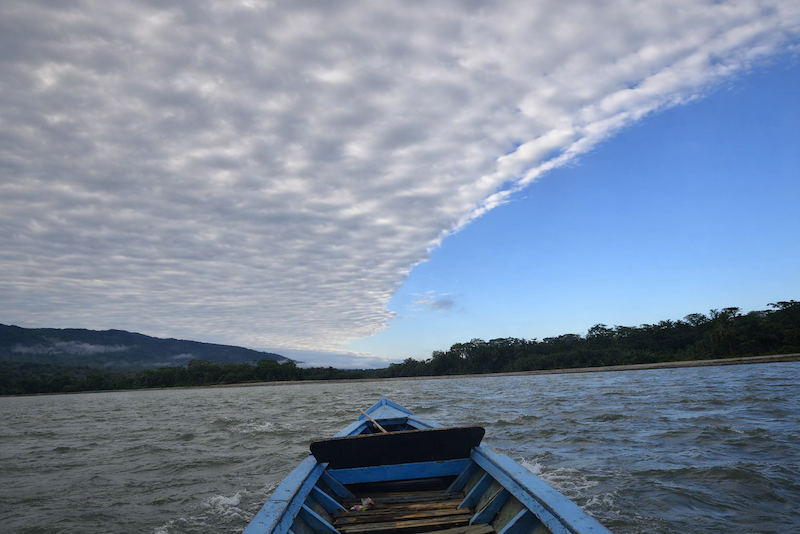
After nearly two months of cold weather, the clouds are clearing. A clear sunrise was enough to lift everyone’s spirits and get back to work.
A long-standing partnership
Palotoa’s history with Regenera didn’t begin yesterday. It is the result of a decade of consistent decisions and trust built step by step between the community and its allies. Before the agreements in Lima and the patrols in the cold, there was a first meeting, a first letter, and a first agreement. This timeline traces the milestones that shaped that alliance:
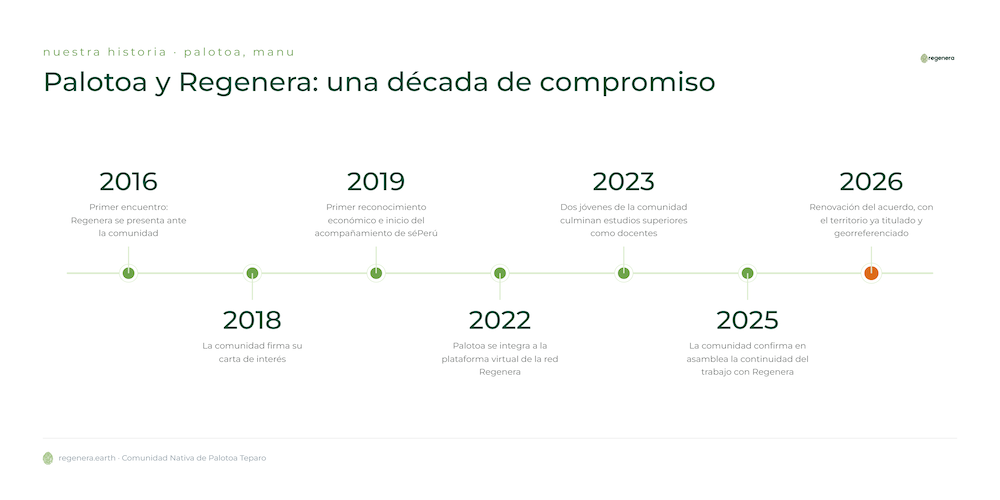
Behind every milestone lies more than just a formality. There are community members who have learned to manage their own resources; today, the community maintains accounting records of its productive activities across several terms of leadership; young people who received training and returned to contribute to their homeland; and a community that, year after year, has decided in assembly to remain committed to conservation. Palotoa’s progress is measured not only by the agreements signed, but by the steadfastness of a commitment that is continually renewed.
Two fronts, one commitment
What’s remarkable about Palotoa is that its commitment isn’t limited to a single area. It operates on two very different fronts, and this year both were on full display.
The first is institutional. In May, community representatives traveled to Lima to participate in a conservation workshop where a cooperation agreement was signed with Sernanp and the Peruvian Air Force, aimed at strengthening surveillance of communal territories. Palotoa was there alongside the communities of Shipetiari (Guardián Regenera) and Huacaria, and communities from the northern rainforest also participated. This is no small matter: it means that the surveillance carried out by community members on foot can be complemented by aerial capabilities and the institutional weight of the state. It is the kind of alliance a Guardian seeks when they understand that caring for the forest is not a solitary endeavor.
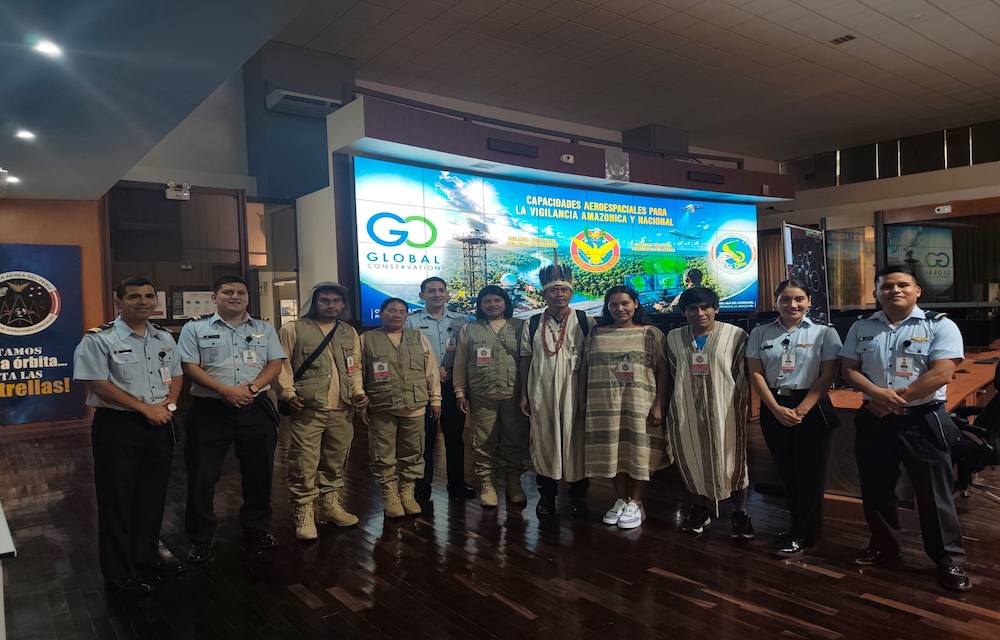
Representatives from Palotoa, along with the Shipetiari and Huacaria communities, are participating in Lima in the signing of a cooperation agreement with Sernanp and the Peruvian Air Force to strengthen surveillance of their territories.
The second front is the territory itself. While administrative work was moving forward in the offices, life in the community followed its own rhythm, marked this time by an especially prolonged cold snap. Nearly two months of cold weather made fieldwork, travel, and even morale difficult. But as soon as conditions allowed, Palotoa resumed its assembly and, with it, its patrols. “Tomorrow we’re going out on patrol,” Arnold announced matter-of-factly, as if he were resuming something that had never ceased to be his own.
The human face of care
Behind the agreements and patrols are people. Arnold, like many rangers, moves between worlds that rarely intersect: a conference room in Lima one week, a damp forest trail the next. That ability to be in both places—to manage partnerships and to traverse the territory—is what makes conservation in Manu work.
His explanation of why he does it doesn’t require technical jargon:
“Why would we destroy our forests when they provide us with everything we need—game and fish? Without the forest, we are nothing. It’s like having a supermarket; it has everything. We have to repay nature by preserving it. “
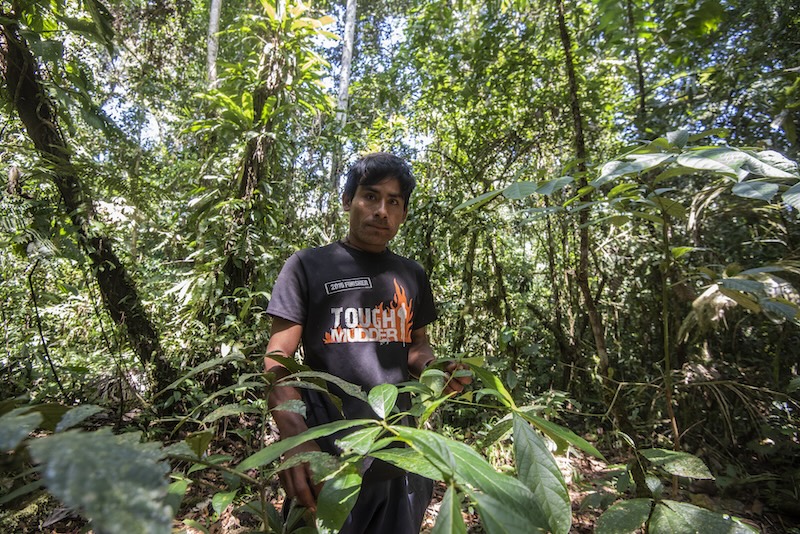
Arnold Semperi, guardian of Palotoa Teparo, works to protect the forest on two fronts: managing partnerships and patrolling the territory.
That sentence captures the heart of the matter. For Palotoa, protecting the forest is not driven solely by an incentive, but by a belief in reciprocity, belonging, and responsibility. The patrols did not stop, not even during the cold snap, nor when external support was limited. They continued on because the forest is part of the lives of those who care for it.
Where we come from, where we’re going
The story of Palotoa is, to a small extent, the story of Regenera: communities that decided to protect their territory and allies who joined forces to make it possible. Ten years later, that commitment continues to grow—through agreements that expand capabilities, through assemblies that are revived after every setback, and through patrols that never stop.
But sustaining this work requires more help. More allies, more companies, more people who understand that caring for the forest in Manu means caring for the ecosystem services on which we all depend. Palotoa, along with Arnold, made her decision years ago and reaffirms it every season. The question is, how many more will want to join them?
Because when a commitment endures over time—whether in the cold or at a negotiating table—conservation ceases to be a promise and becomes a reality.
Etiquetas
- Forest conservation
- Forest Guardians
- Palotoa Teparo
Artículos relacionados
- Historias de la Tierra
- Manu
Leer artículoDiez años después, volvimos a donde todo empezó
Enrique Zuñiga

- Aliados en Acción
- Machu Picchu
- Manu
Leer artículo¿Cómo reducir el impacto de construir? La pregunta detrás un nuevo hotel en Machu Picchu
Margony Palacios
- Aliados en Acción
- Manu
- Machu Picchu