
Stories from Earth
When your heart defends the forest

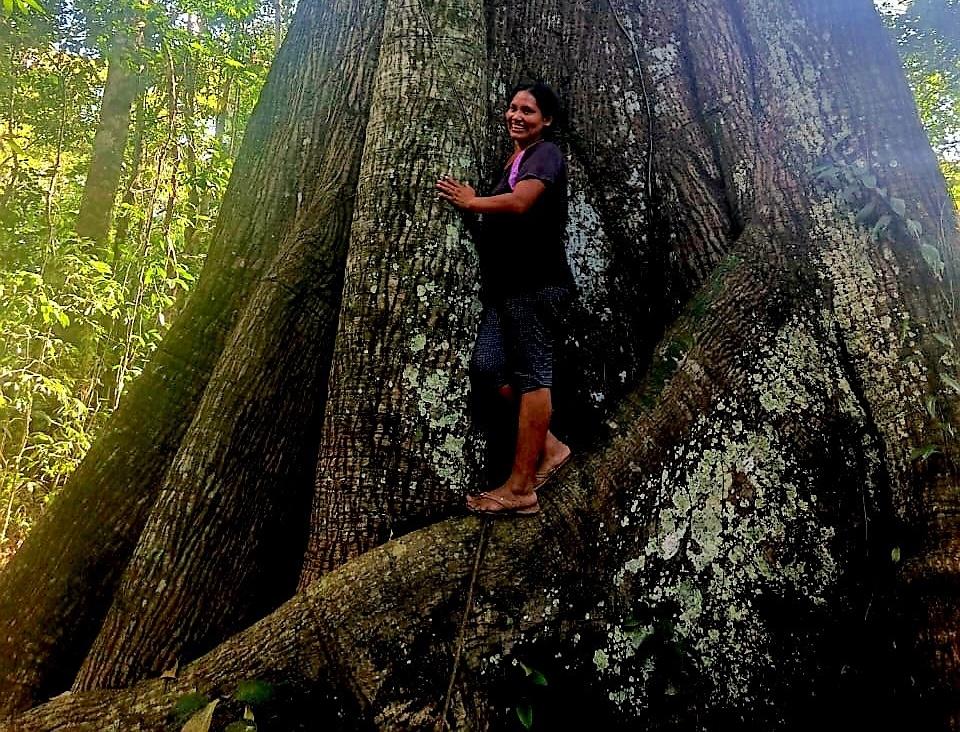
In the Manu Landscape, forest conservation is written in the rings of ancient trees. There are trees that seem to keep the memory of the forest — in Matsigenka, one is known as pasaro; in Spanish, lupuna (Ceiba pentandra). They are gigantic, imposing trees that remind us that the Amazon is measured not only in hectares but also in history, life, and permanence. But their presence is not casual. Behind every large standing lupuna are communities that have chosen to protect their territory.
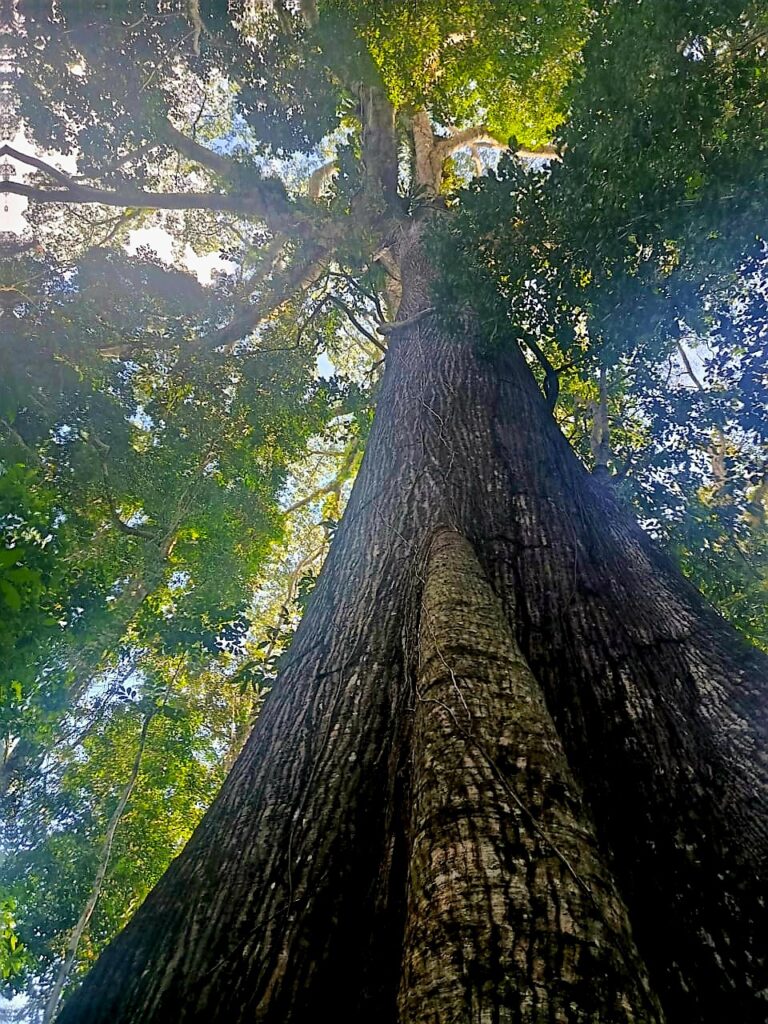
A large lupuna in the Manu Landscape. These giants of the forest are still standing thanks to the care and vigilance of the guardian communities.
Manu Landscape Forest Conservation: The Lupuna as Living Symbol
This is reflected today by the Collective Guardians of Shipetiari and Palotoa, two communities in the Manu Landscape that continue to sustain their vigilance and care for the forest. Even in months when external support was limited, the communal patrols did not stop. The vigilance continued. The commitment continued. Because in these territories, the defence of the forest does not only respond to an economic incentive, but to a deep conviction of care, belonging and responsibility.
Shipetiari and Palotoa: Communal Vigilance That Never Stopped
The photos shared by the communities show much more than monumental trees. They show a living relationship with the territory. The lupunas that still stand in Manu are also evidence of communal decisions that go back for years: decisions not to cut down, to watch over, to organise, and to protect that which sustains and gives meaning to life in the forest. In this daily effort, conservation ceases to be an abstract idea and becomes a real practice, carried out by concrete people in their own territories.
In Shipetiari and Palotoa, the communal vigilance systems remain active thanks to the work of men and women who patrol, observe, and organise themselves to care for the forest. This effort not only protects trees such as the lupuna, but also the integrity of the territory, biodiversity and the future of new generations. What is valuable is that this commitment exists even when conditions are not easy. And that is precisely why it has even more strength.
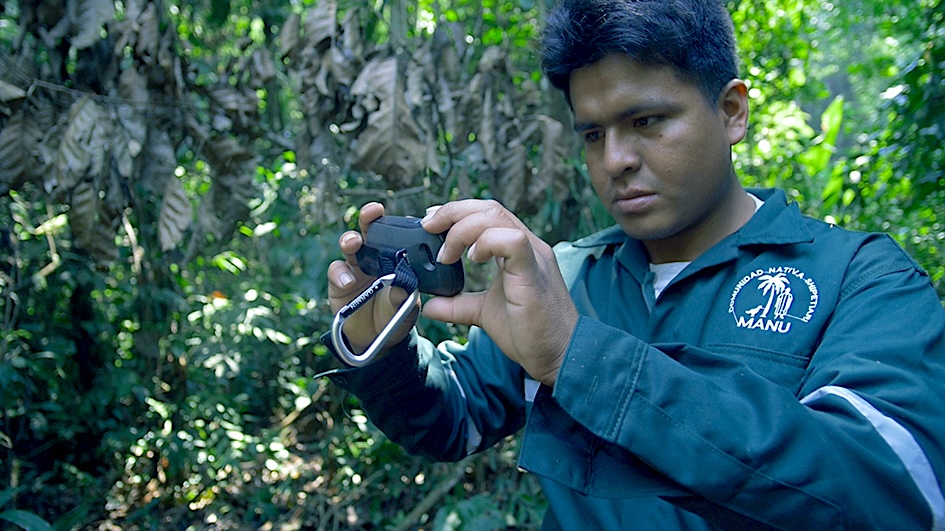
The Collective Guardians of Shipetiari and Palotoa continue to carry out communal vigilance to care for the territory and sustain forest conservation.
When Community Commitment Drives Forest Conservation
In Regenera, these stories remind us of something essential: funds help, strengthen and make it possible to better sustain many efforts, but they do not replace what is most important. The real engine of territorial care is in the communities themselves, in their decision to remain present, to remain vigilant, and to defend what they consider part of their lives.
When the heart defends the forest, conservation ceases to be a promise and becomes a reality. And in the Manu Landscape, this reality continues to grow under the immense shadow of the lupuna trees.
Why Manu Landscape Forest Conservation Matters Globally
The Manu Landscape sits within the Manu National Park UNESCO World Heritage Site — one of the most biodiverse places on Earth, home to over 1,000 bird species, 200 mammal species, and thousands of plant species found nowhere else. The lupuna trees standing in Shipetiari and Palotoa are not just symbols — they are critical habitat for harpy eagles, giant anteaters, peccaries and countless species that depend on old-growth forest structure that takes centuries to develop.
When a community chooses not to cut a lupuna, they are making a decision that reverberates through the entire food web of the forest. This is what makes community-led Manu Landscape forest conservation so powerful — it is not a project with a start and end date. It is a way of life, passed from generation to generation, reinforced by cultural identity and deepened by the economic support that organisations like Regenera help channel to these communities.
How Organisations Support the Guardian Communities of Manu
The communal patrols of Shipetiari and Palotoa continue even when external support is limited — but that support makes a measurable difference. When organisations offset their environmental footprint through Regenera’s partnership
model, funds flow directly to these communities as income for the men and women who patrol, monitor and protect 27,000 hectares of primary Amazon rainforest.
This is not charity. It is a fair exchange: the communities provide a verifiable ecosystem service — carbon storage, biodiversity protection, watershed conservation — and organisations pay for that service in a transparent, community-controlled way. The lupunas still standing in Manu are, in part, the result of this model working exactly as it should.
If your organisation is ready to contribute to Manu Landscape forest conservation and support the guardian communities making it possible, get in touch with the Regenera team or explore our partner network to see who is already involved.
Etiquetas
- Community
- Collective action
- Forest Guardians
Artículos relacionados
- Historias de la Tierra
- Manu
Leer artículoDiez años después, volvimos a donde todo empezó
Enrique Zuñiga

- Aliados en Acción
- Machu Picchu
- Manu
Leer artículo¿Cómo reducir el impacto de construir? La pregunta detrás un nuevo hotel en Machu Picchu
Margony Palacios
- Aliados en Acción
- Manu
- Machu Picchu