
Regenerate Together
Ten years, ten lessons learned for supporting Nature

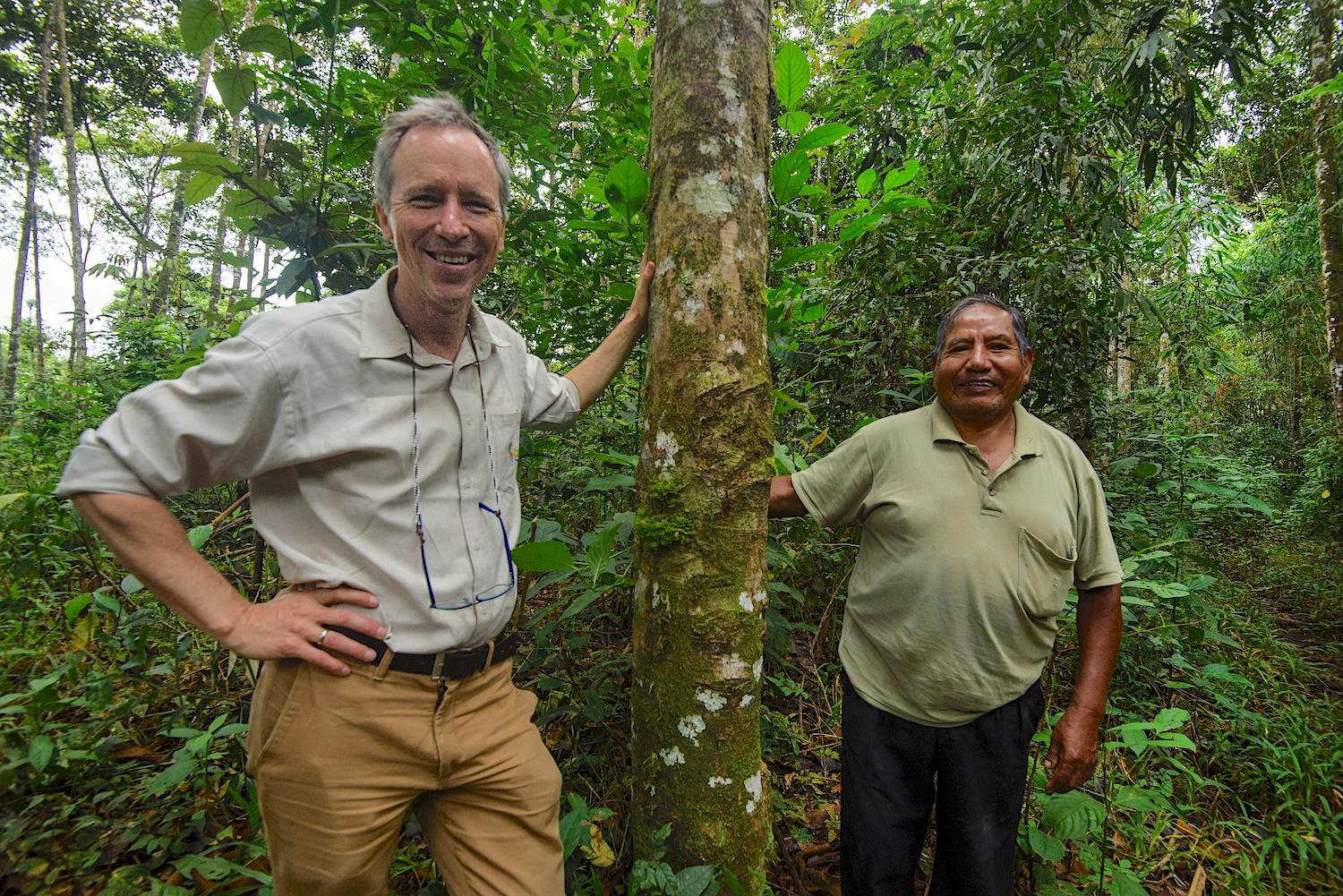
We all know that the progress of an initiative has its ups and downs. But when it comes to caring for Nature, it is especially valuable to learn from every step. The journey can be full of contradictions and tensions, because that is the reality.
Over these ten years, Frank Hajek, coordinator of Regenera, has learned from successes, mistakes, and, above all, from the people with whom he has shared this journey. We spoke with him about some of the lessons that now guide the way Regenera understands conservation, restoration, and the responsible use of the Earth.
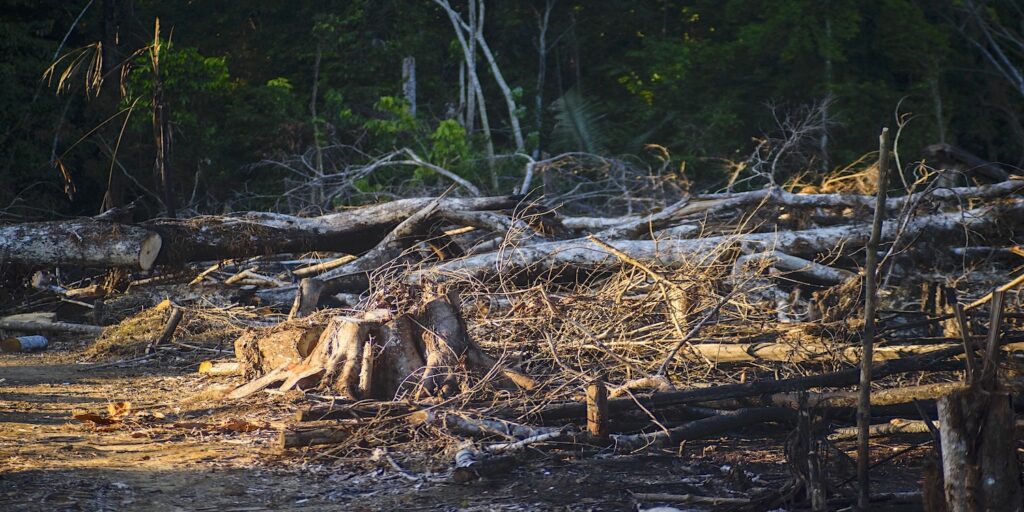
Deforestation along the Manu Road, en route to Shipetiari
1. The person who degrades Nature almost always has a good reason
In 2018, during a boundary-clearing operation in the Yine Diamante community in Madre de Dios, Frank and his team went looking for the crew building the Salvación–Boca Manu road. When they found the tractor operator, they approached him to talk. After chatting with him for more than an hour about the difficulties and adventures of the construction work, Frank asked him whether he felt remorse for having destroyed so much forest.
His response was direct: “The forest doesn’t give me a job.”
The statement helps us understand that behind many actions that degrade Nature are concrete needs: work, housing, education, health. Understanding those motivations before judging is also a way to find fairer and more effective solutions.
2. A good intention that is not communicated can be interpreted in many ways
Between 2016 and 2021, various Indigenous organisations expressed their opposition to Regenera. First COHARYIMA, then FENAMAD and, in support, AIDESEP. Regenera’s limited communication was interpreted as an attempt to quietly commodify Nature’s services and deceive communities.
In reality, Regenera intended to be cautious while it was still in a pilot stage. But that reason was not visible to those outside the process. The experience left a clear lesson: communication is not an accessory, but an essential part of any process of collaboration and coordination. When communication fails, even good work can generate distrust.
3. How you organise yourself matters: stick to what you know
Frank has worked for years in both the private sector and conservation, and that experience has shown him the limits and capabilities of each type of organisation.
He has seen large companies attempt to enter fields outside their expertise, as well as organisations with extensive conservation experience try to develop sustainable businesses, with limited results. At the same time, he has seen communities invest their goodwill and scarce resources in businesses that do not always manage to survive.
Companies, NGOs, and communities operate according to different logics. No single organisation can do everything. That is why knowing what we do well and who we need to partner with is part of building a viable model.
4. Technology can record trust, but it cannot build it
Organisations such as CEDES-Apurímac, SEPERU, and CEDIA have earned the trust of land stewards over decades through consistent work. Frank sees them as examples of the kinds of relationships Regenera seeks to build.
At the same time, Regenera has spent years developing a technology platform and accounting system to record and make that work traceable. But experience has shown him a fundamental difference: “Technology does not generate trust; it records it.” Trust is built in the field, through people and relationships that are sustained over time. Technology can help document it, but it cannot replace it.
5. Regeneration does not begin with us: we must create value for those who already make it possible
In most of Peru’s landscapes, people are already protecting Nature on their land, and organisations are supporting them. They are the Guardians and Allies.
For Frank, they are not beneficiaries of Regenera, but protagonists. The platform’s role is to strengthen their work and create a model in which those who generate value for regeneration can also share in its benefits.
The idea is simple, but it changes the perspective. Before asking ourselves what we can obtain from a landscape, we should ask what value we are creating for those who are already caring for it.
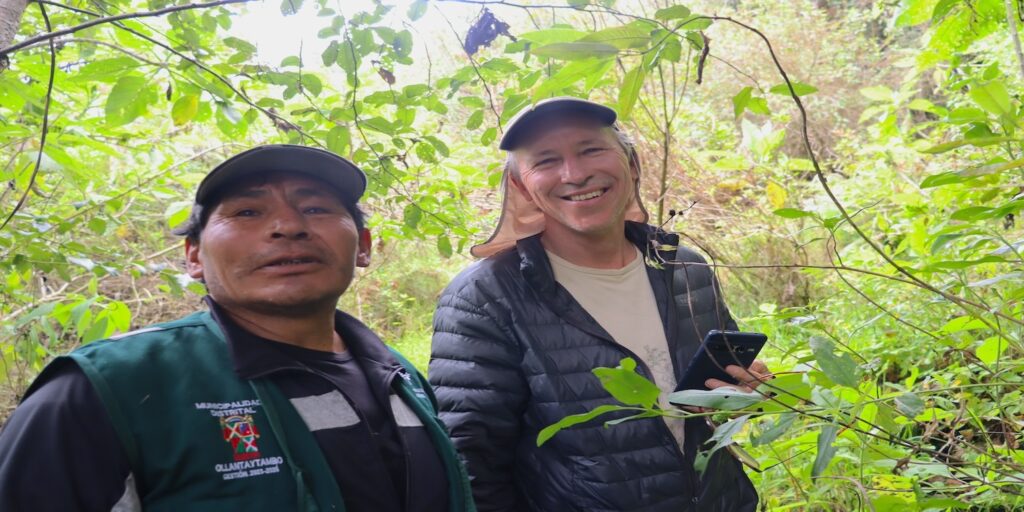
Frank with community members from Piscacucho reviewing the progress of ecological pruning in the community together with their partner, Valle Sagrado Verde.
6. Purpose-driven relationships are what sustain the journey
The pandemic put this idea to the test. In 2020, Regenera lost 90% of its revenue. Several partner companies suspended their activities and some went out of business. Yet fieldwork continued.
Why? Because for Guardian communities, Regenera’s support may be an incentive, but it is not the purpose of their work. The crisis showed the importance of building from the ground up and with organisations that share a common purpose. When difficult times arrive, those relationships are what sustain the journey.
7. Sometimes you have to row against the current
In 2012, Frank edited the book “Free? Nature’s Services and How to Sustain Them in Peru” (in Spanish only), which explored the emergence of a new industry centred on Nature’s services. Today that industry is growing, but models are also emerging that, in his view, could take it down the wrong path. One of them is turning Nature’s services into tradable credits or products without traceability back to their origin.
“Nature is not a commodity; it is the infrastructure that sustains the economy, and its services have unique attributes,” Frank says. Defending a different vision may mean moving more slowly. But some principles, if they are to endure, require precisely a willingness to row against the current.
8. Nature’s timescale does not easily fit the timescale of markets
The results of conservation and restoration arrive over years or decades, not quarters. And yet, everything can be lost within days. A forest fire or mining invasion can erase years of work.
That is why a constant and patient presence is essential. The challenge is not to let the urgency to show results, “projectitis,” or short-term funding change the course. Ten years are a good beginning, but conservation work needs allies willing to think and work for the long term.
9. It is not the same when someone leaves because they grew as when they leave because Regenera did not grow
Over ten years, many people have passed through Nature Services, the social-environmental company that coordinates Regenera. Some left to study, conduct research, or work in other countries. Others left because the organisation could not offer them better conditions. Distinguishing between these two situations is important. The first is a good outcome: a person grows and continues on their own path. The second reveals an unfinished task for the organisation. If the organisation does not grow, it cannot support the growth of the people who are part of it.
10. Constant learning is the foundation of adaptive management
Nature is constantly changing, and the climate crisis can accelerate, redirect, or disrupt these processes. At the same time, human knowledge and science have their own rhythms, and understanding some processes can take years or decades.
This means that in Nature management, there are few absolute truths. What we believe we know today may change tomorrow. Hence, one of the most important lessons of these ten years has been to listen with humility and keep learning so that we can support Nature. Continuous learning is ultimately the foundation of good adaptive management.
For Frank, ten years are a solid beginning. What lies ahead is to keep learning, adjusting the course, and building alongside those who, through their companies and their land, make it possible to care for Nature.
Tags
- Collective action
- Regenera celebrates 10 years
- Lessons learned
Related articles
- Regenerate Together
- Manu
Read articleTen years of learning from the forest: What the landscape taught a Landscape Partner
Margony Palacios