

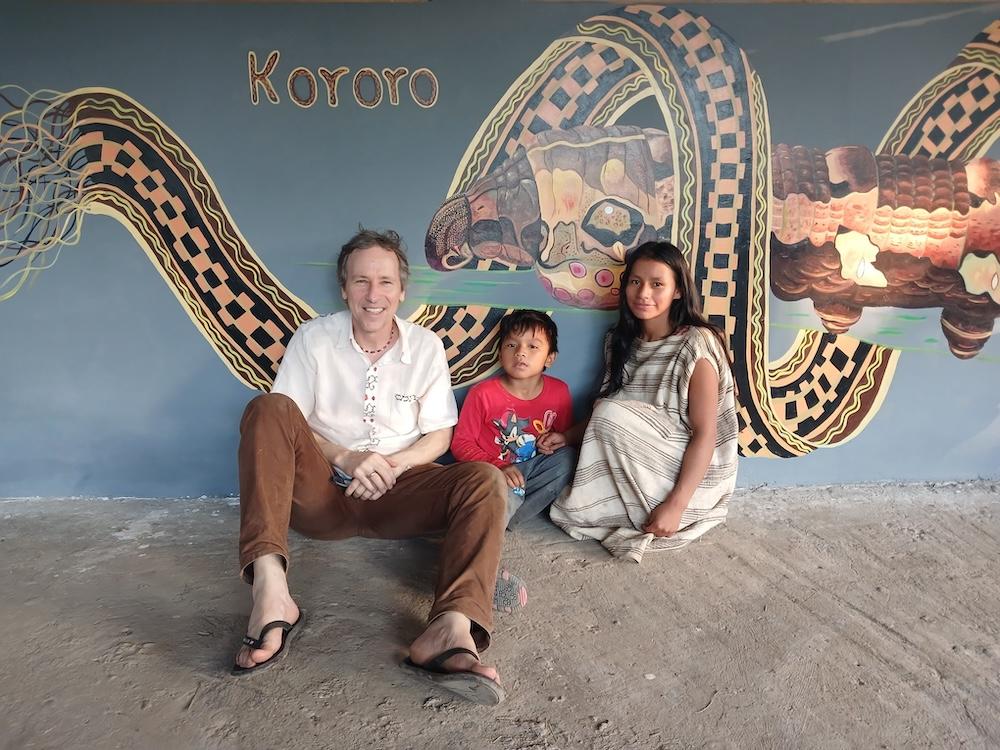
As I drove to the Mpika Police Station it dawned on me: our economy is blind to the real value of Nature.
The four men in the back of the car, local bushmeat hunters, had been apprehended by North Luangwa National Park’s Wildlife Police Officers while setting snares for bushmeat. Not the professional ivory poachers we were after, but a result nonetheless for Park management. The men’s predicament: a harsh day in custody at best, jail time at worst.
It was during my time as Chief Technical Advisor to the Zambia Wildlife Authority that I first saw this tension up close: communities living alongside extraordinary wildlife, penalised for making use of natural resources. Nature tourism in the Park and regulated hunting in the surrounding Game Management Areas by international ‘sport’ hunters provide only a handful of jobs for the local Bemba communities. Villagers rely on small-scale agriculture and occasional hunting to make a modest living, while the climate regulation, water regulation, and biodiversity maintenance services of the Luangwa ecosystem are still provided for free to the Zambian and the global economy.
That image stayed with me when I returned home in 2010 to start Nature Services, Peru’s first mission-driven, B Corp-certified company supporting society to value, protect, and restore natural assets.
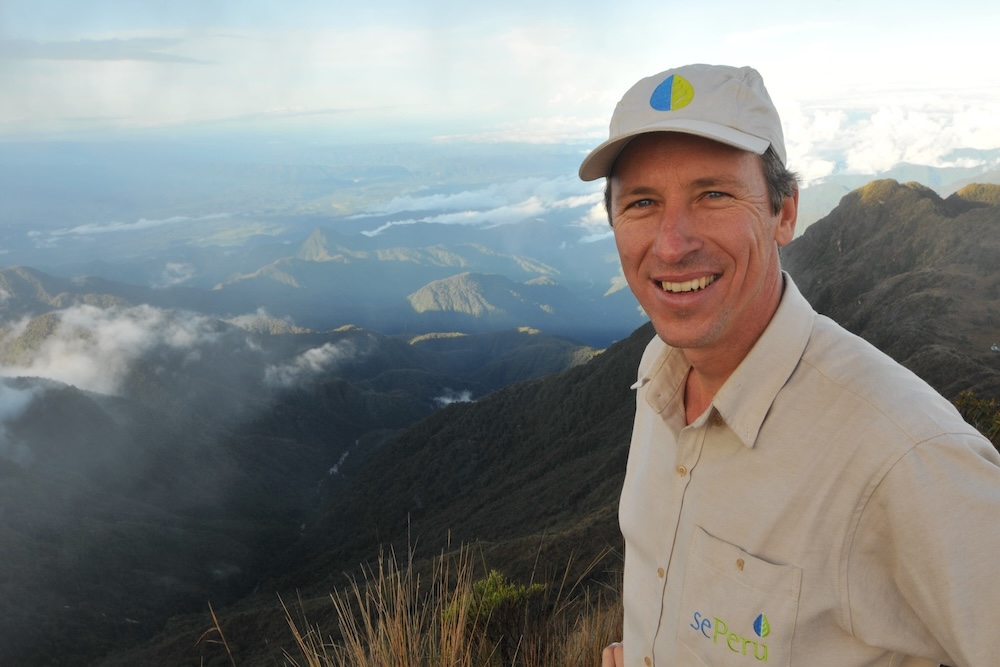
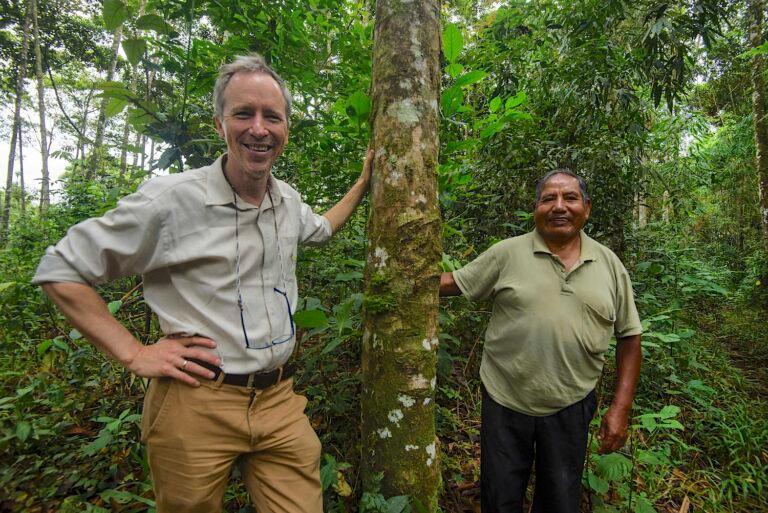
En route to the Matsiguenka community of Shipetiari, Regenera´s first Guardian in the Manu landscape, 2016.
I was lucky to grow up in Peru in a family that loved to travel, hike, and fish in the highlands and the rainforest. I had a collection of snakes, lizards, and toads, while other kids had cats and dogs. In those early years I absorbed something that, four decades later, feels more urgent than ever: Nature is not a backdrop. It is a foundation to live well. In Zambia, in Peru, everywhere.
Think about it for a moment.
Fresh water. Clean air. A stable climate. Healthy food on your table. Every material and service that makes life safe and enjoyable is provided, directly or indirectly, by Nature. Realise it or not, we are part of Nature, bound to it by countless strands. No healthy Nature, no sustainable economy. No Nature, no us.
I’ve spent 30 years working in natural resources and ecosystem management, long enough to see how the gap between what Nature gives us and what we give back has widened dangerously. And the people doing the hardest work — or suffering the greatest opportunity costs — to protect it, the indigenous and local communities who actually live on the land, are the least rewarded for it.
This isn’t just an environmental problem. It’s an economic design flaw.
By 2016, my frustration had crystallised into conviction. The emerging carbon and biodiversity markets were treating Nature’s services as if they were discrete products: tradeable offsets, credits with expiry dates. But ecosystems don’t behave as products. They deliver flows. They are infrastructure, not commodities.
That category error is leading to predictable failures. Studies show that most forest carbon offsets are non-performing. Certification costs, intermediaries, and registry fees consume most of the resources that should reach land managers. Greenwashing evidence in some cases, and unfounded accusations in others, are significantly eroding trust.
So we started Regenera. Not as a credit development company, but as something different — a network providing services that support organisations managing their footprint. We connect them with land managers who are already protecting and restoring living landscapes, and we ensure that the relationship is continuous, open, and fair. From the beginning, we have built Regenera around three principles that the environmental credit industry does not have.
The first is understanding Nature as infrastructure, not a commodity. Regenera operates on a subscription model — ongoing stewardship, not one-time purchases — because that mirrors how ecosystems actually function. You don’t buy credits. You sustain the ecosystem that regulates the climate, filters the water, and maintains the biodiversity your organisation depends on.
The second is deep collaboration. Every transaction on the Regenera platform is linked to a Landscape and a Guardian. Not aggregate numbers in a registry somewhere. Specific, traceable payments to specific people and organisations in specific places. We use world-class payment rails directly connected to local banking systems.
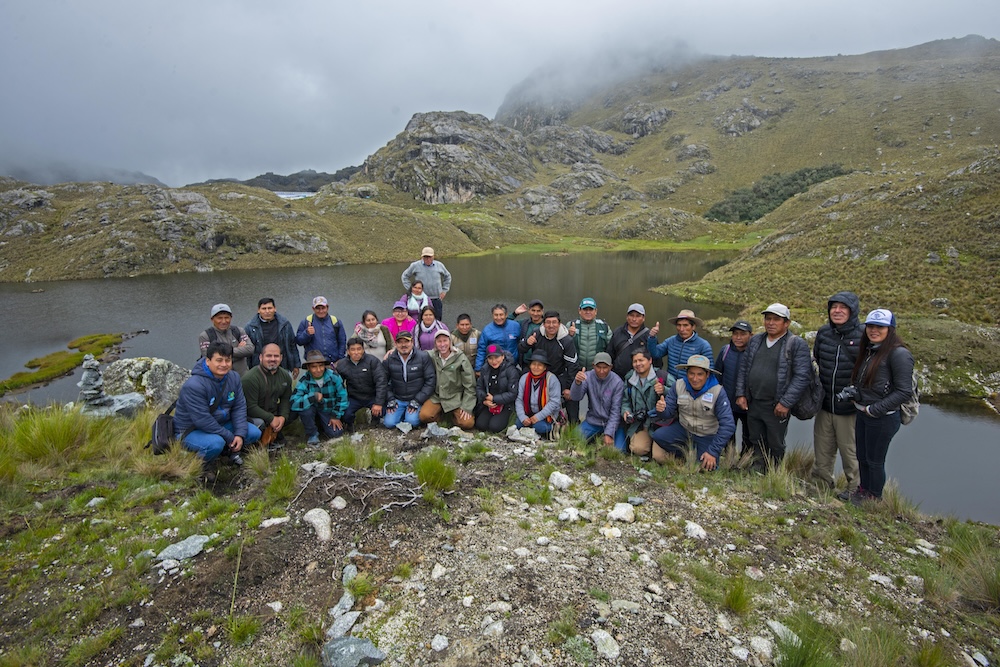
Completing a day of Andean forest restoration in Regenera´s Abancay landscape, Apurimac, 2022.
The third is equitable distribution. Less than half of the revenue generated by ecosystem service projects typically reaches the people on the ground. In Regenera, by design, 60% of every payment goes directly to land managers — Regenera’s Guardians. 20% goes to local conservation and development organisations — Regenera’s Landscape Partners. And 20% goes to our company as network coordinator. Not a target. A rule.
Ten years later, I can tell you what’s worked and what hasn’t. The 60/20/20 model works — Guardians and Landscape Partners have received regular, traceable payments, even in communities with financial inclusion challenges.
We are proud to be regenerating over 169,000 hectares across six Landscapes in the Amazon and the Andes. Forty-nine Guardians, the vast majority of them indigenous and campesino communities, are now part of the network. In spite of our progress, we realise we have not yet met the scale of the challenge. New extractive pressures on nature, including illegal mining and logging, as well as internationally financed industrial agriculture, are growing.
Our thesis is being proven right. In a market where major players have folded, where quality standards are finally tightening, and where organisations increasingly need credible, traceable ways to manage their environmental footprint, the kind of integrated stewardship model we are building is exactly what the next chapter demands.
Regenera turns 10 in September. Our goals for the next five years are necessarily ambitious: to reach four million hectares under management, and over a thousand Guardians, in dozens of Landscapes in Peru and beyond. Every one of us has a role to play. Organisations that measure, reduce, and compensate. People and communities that care for their lands. A network that holds the whole thing together through collaboration and transparency.
Now is the time. The Earth doesn’t need more promises. It needs more organisations managing their resources responsibly, and more people protecting and restoring Nature on the ground. That’s what Regenera is for. That’s what the next ten years are about.
Frank Hajek
Coordinator, Regenera
Tags
- Regeneration
- Community
- Management for Positive Impact
Related articles
- Regenerate Together
- Manu
Read articleTen years of learning from the forest: What the landscape taught a Landscape Partner
Margony Palacios