

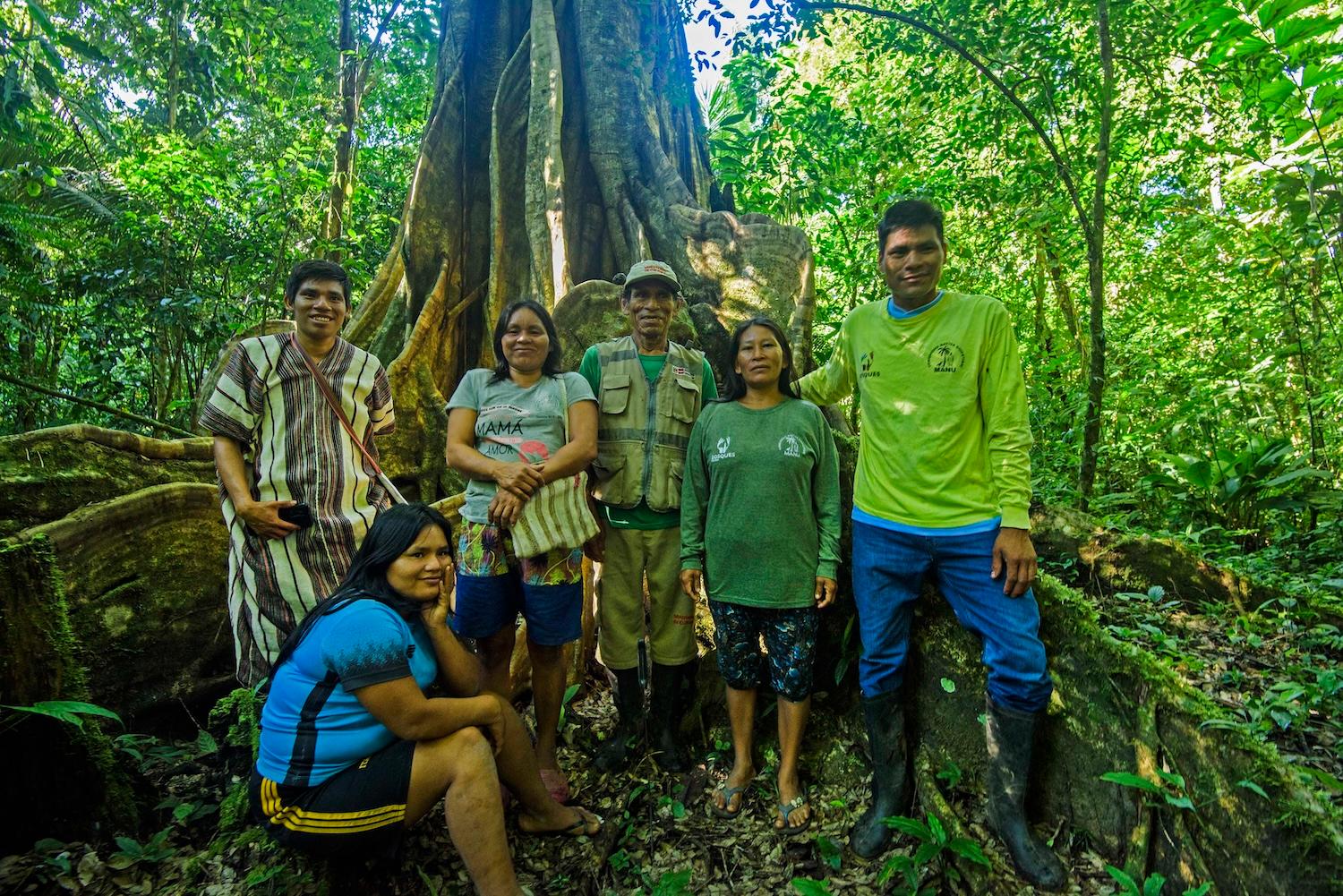
It is impossible that you, as a Peruvian citizen, have not had to carry out any procedure at a public institution without being asked for mountains of paperwork. This entire model of administrative procedure, designed by the city, falls hardest on indigenous
community forest conservation in Peru — on people in the most remote corners of the Andes and Amazon who lack Western administrative knowledge but are the most committed stewards of their land.
Indigenous Community Forest Conservation and the Bureaucracy Problem
In the 1980s, 1990s, and even the 2000s, support for the development of Amazonian Indigenous peoples was primarily channelled through projects financed by NGOs and state institutions. From the 2010s onwards, work has also been done using methods that aim to have Indigenous peoples implement projects by receiving the funds directly. One of these methods is Conditional Cash Transfers (CCTs). ), which essentially seeks to get these villages to take care of their forests and implement sustainable projects in order to receive money.
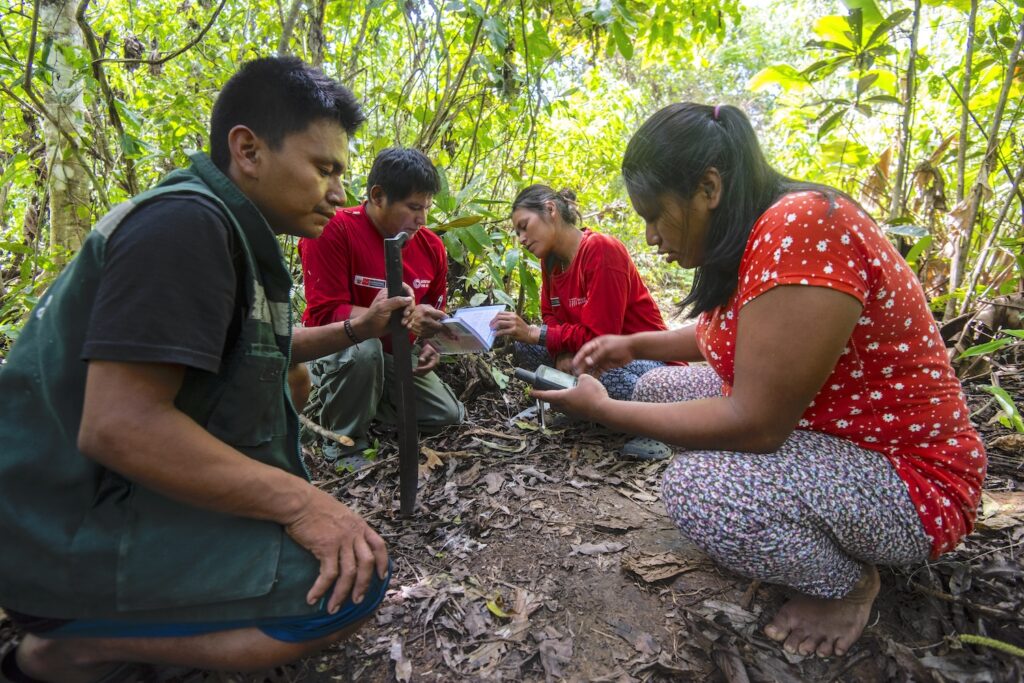
Conditional Cash Transfers: Promise and Limitations
The idea is a good one; however, CCTs also require native communities to present a series of documents such as budgets, quotations, observations, technical-financial reports, among others. While this may seem fair, the reality in these communities is that members with basic knowledge and skills to deal with these necessary but bureaucratic tasks are lacking.
Communities sometimes have advisors who work with them so that all these documents can be presented. However, this solution can maintain or generate two problems: the first has to do with reaffirming the communities’ dependence on foreign technicians, and the second is to make the communities believe that paperwork is more important than the conservation and sustainable management of their forests.
We are well aware that, in Peru, trust capital is at its lowest ebb and the CCTs are a way of ensuring that one can reduce inappropriate use of money for actions that have nothing to do with care of communal forests.
How Regenera Supports Indigenous Forest Conservation Without Bureaucracy
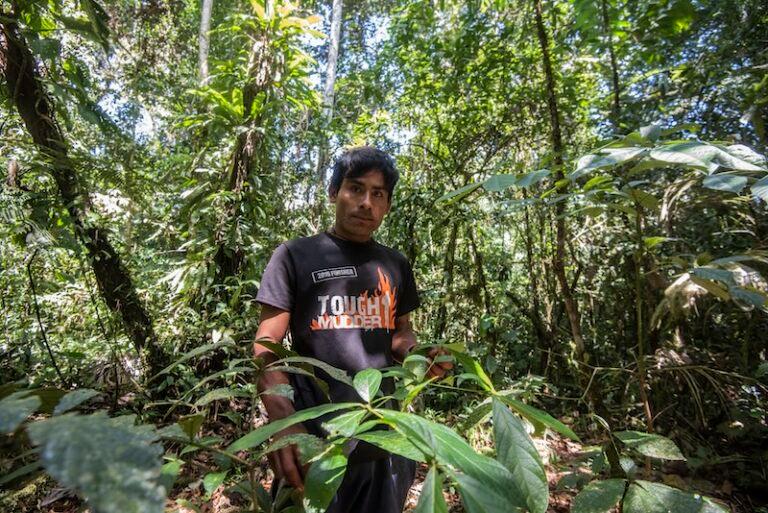
In this sense, Regenera is many things: community, platform, bridge, and an action that seeks to strengthen the capital of trust with those Guardians who have been taking care of their forests, rivers, streams, wetlands or mountains for decades. For this reason, Regenera seeks to reduce bureaucracy as much as possible for community members. CCT funds have mainly played a role in infrastructure and equipment investments, while Regenera acts as a ‘bridge’ so that the incentives communities receive can cover the costs of members’ wages, for example, and are only conditional on the evidence of photos and satellite images that clearly show their forests are well cared for. In sum, their word and satellite images are enough.
Guardians have sometimes asked us: “In order to receive the incentive, don’t I have to present reports?” No, we answer them, we trust in your community life plans and the endorsement of serious institutions that work for many years at your side in each of the six landscapes where Regenera works.
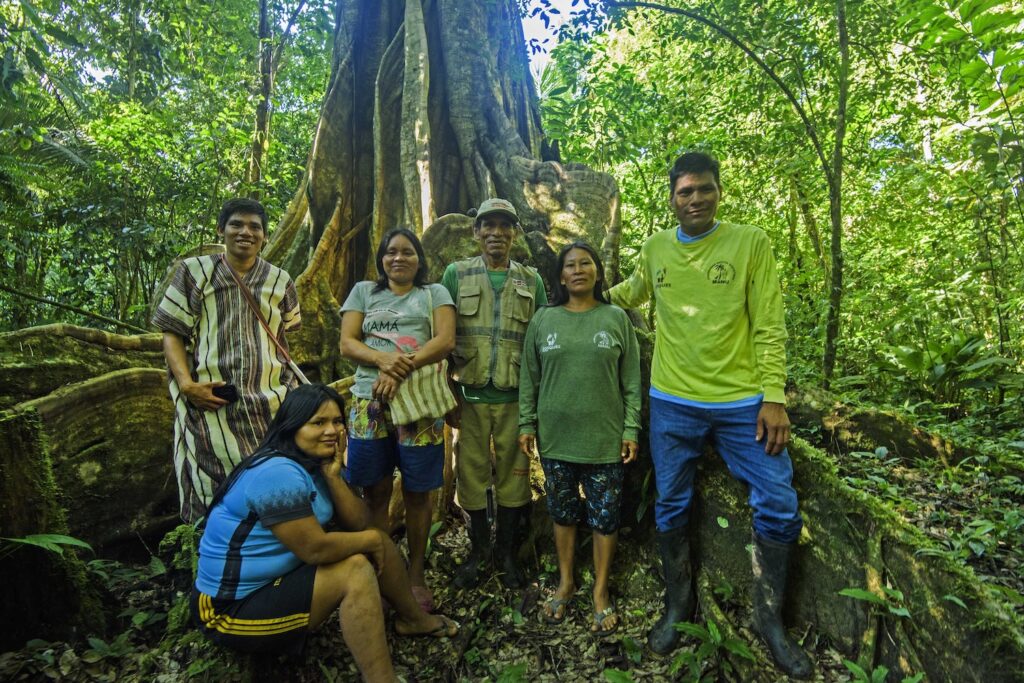
Trust as the Foundation of Forest Conservation
At first, some Guardians find this simple method based on trust and remote sensing and little bureaucracy hard to believe, but when they confirm that income reaches their bank accounts, they are appreciative because they know they are free to use the funds for actions that serve to care for Nature and the common good.
————————————–
¹ Conditional Cash Transfer (CCT) is a mechanism in Peru to grant 10 soles per year per hectare conserved in titled territories of native communities according to compliance with the agreement between the National Program of Forest Conservation for Climate Change Mitigation (PNCBMCC) and each native community.
² Trust capital: credibility of a person or organisation in the eyes of others.
Why Trust Matters More Than Paperwork in Forest Conservation
The Regenera model is built on a simple but radical premise: indigenous communities that have protected their forests for generations do not need to prove their commitment through administrative reports. They need the financial resources to continue doing what they already do — and the freedom to deploy those resources according to their own community life plans.
This approach to indigenous community forest conservation in Peru directly addresses one of the most documented failures of conservation finance: the exclusion of local communities from decision-making through excessive bureaucratic requirements. When communities spend more time filling out forms than caring for forests, both the communities and the forests lose.
Regenera uses satellite imagery and photo documentation — tools communities can use themselves — as the primary evidence
of conservation outcomes. This keeps the focus where it belongs: on the forest, not the paperwork. The
World Resources Institute
has documented that community-managed forests consistently outperform state and private conservation areas in long-term carbon storage and biodiversity protection — precisely because local stewardship is more sustained and culturally embedded.
If your organisation wants to support indigenous community forest conservation in Peru through a trust-based, low-bureaucracy model, explore how Regenera’s partnership programme connects corporate environmental commitments directly to the communities thatmake conservation real. Or get in touch to learn more about the six landscapes where this work is happening today.
Tags
- Peru
- Forest Guardians
- Matsigenka
Related articles

- Stories from Earth
- Manu
Read articleShipetiari: a community that chose to conserve its forest
Margony Palacios
- Stories from Earth
- Manu