
Stories from Earth
Young leadership, active vigilance and a network that learns: reflections from the Manu Landscape

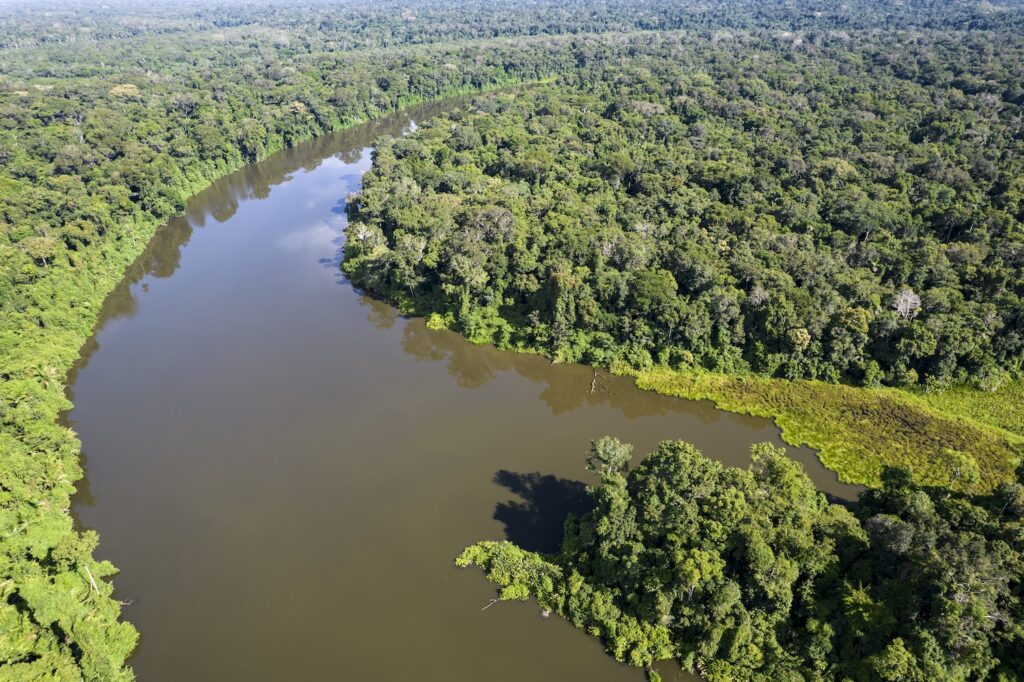
In Manu, the days begin with the sound of the river and the murmur of the forest. There, where communities know every trail and every tree, something is changing. The Guardians, both collective and private, are renewing their leadership, strengthening the surveillance of their territories and building a network that learns and listens. This 2025 left us with one certainty: conservation is only lasting when it is born from the communities themselves.
New boards of directors: young leadership setting a new direction
The two native communities Guardians of the Manu Landscape, Shipetiari and Palotoa Teparo, began the year with new boards of directors. The change was more than a formality: it marked the arrival of young leaders with a clear vision of what it means to govern in a complex, constantly changing Amazonian territory.
In Shipetiari, Juliana Araoz assumed communal leadership after years of holding different internal positions. Her leadership stands out for its order, constant communication and ability to articulate with allies such as sePerú, the Landscape Ally in Manu. He is not only aware of Regenera’s reports and payments, but also promoted an exemplary administrative transition in the position of treasurer, ensuring the community keeps its accounts clear and up to date.
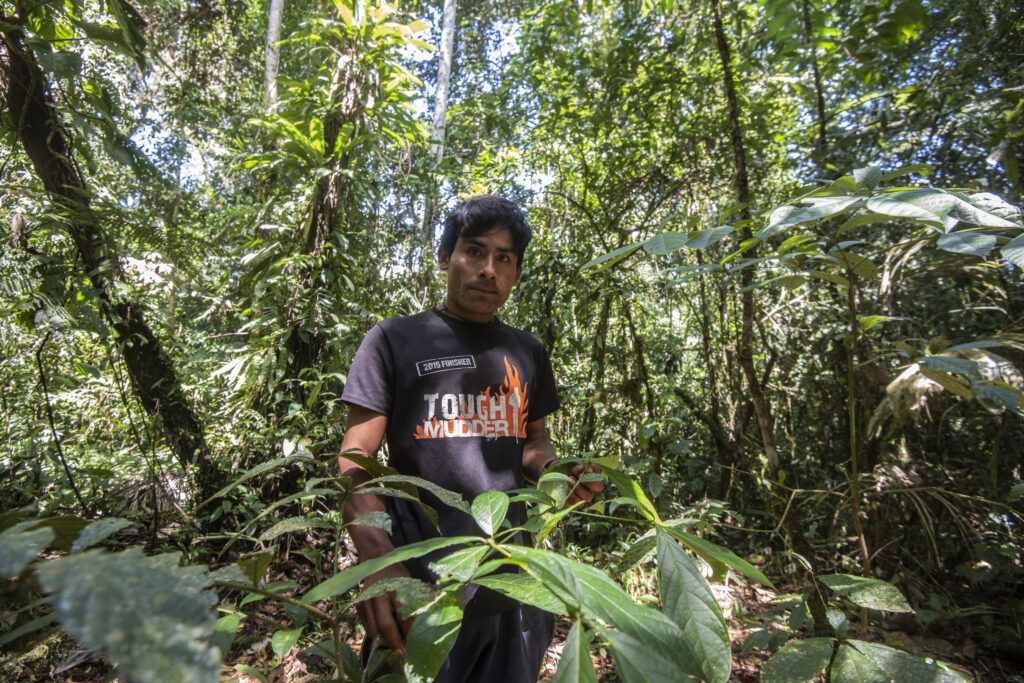
Arnold Semperi, a young communal chief who strengthens indigenous governance in Manu.
In Palotoa Teparo, the new chief is Arnold Semperi, a young man with experience in the position and a firm stance in the defence of the territory. Arnold demands respect for his community, asks for a constant presence of allies in the field and actively participates in multiple meetings with external organisations. His message is clear: development does not come on its own; it is built by working with determination.
Both leaders demonstrate that indigenous governance is strengthened when there is committed youth, communication and awareness of the strategic value of their forests.
Territorial surveillance: safeguarding Nature is everyone’s job
The Amazon is not defended from an office: it is protected by walking through the forest, talking with neighbours, listening to the river, and observing the changes. For this reason, both Shipetiari and Palotoa maintain communal surveillance systems that cover their extensive territories for several days, facing threats such as illegal mining, logging, illegal crops or invasions.
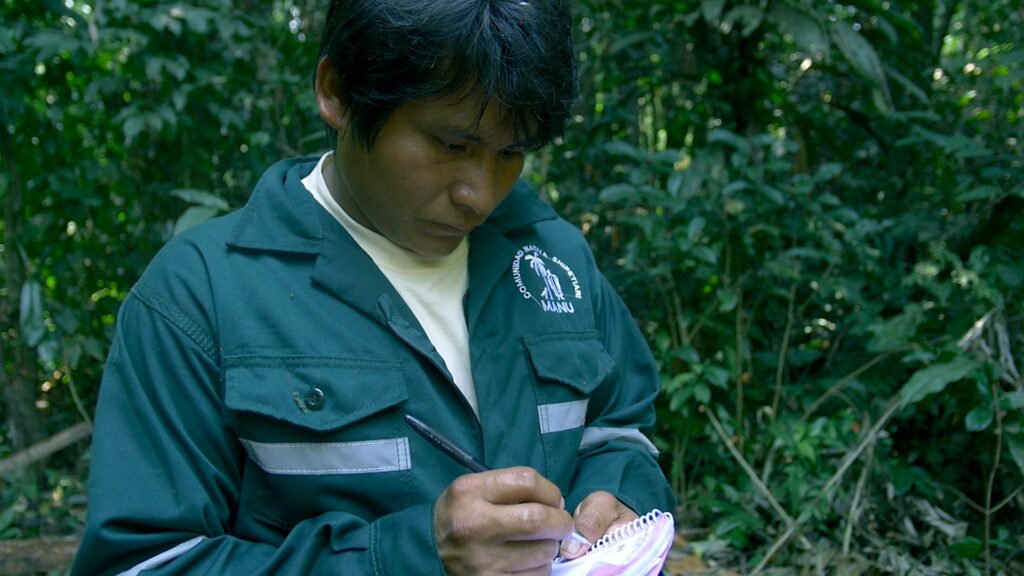
Surveillance teams travel through the communal territories to protect them from external threats.
These patrols require effort, logistics and resources. For this reason, Regenera co-finances part of these patrols as a direct recognition of those who take care of the territory. In Shipetiari, for example, the monitoring groups are made up of eight people, and three of them are covered by the income from the Manu Landscape in the Regenera network.
Support for surveillance does not replace community efforts; it enhances them. It allows patrols to be more constant and the community to have better conditions to take care of its territory.
Annual Co-evaluation 2025: listening to each other to strengthen ourselves
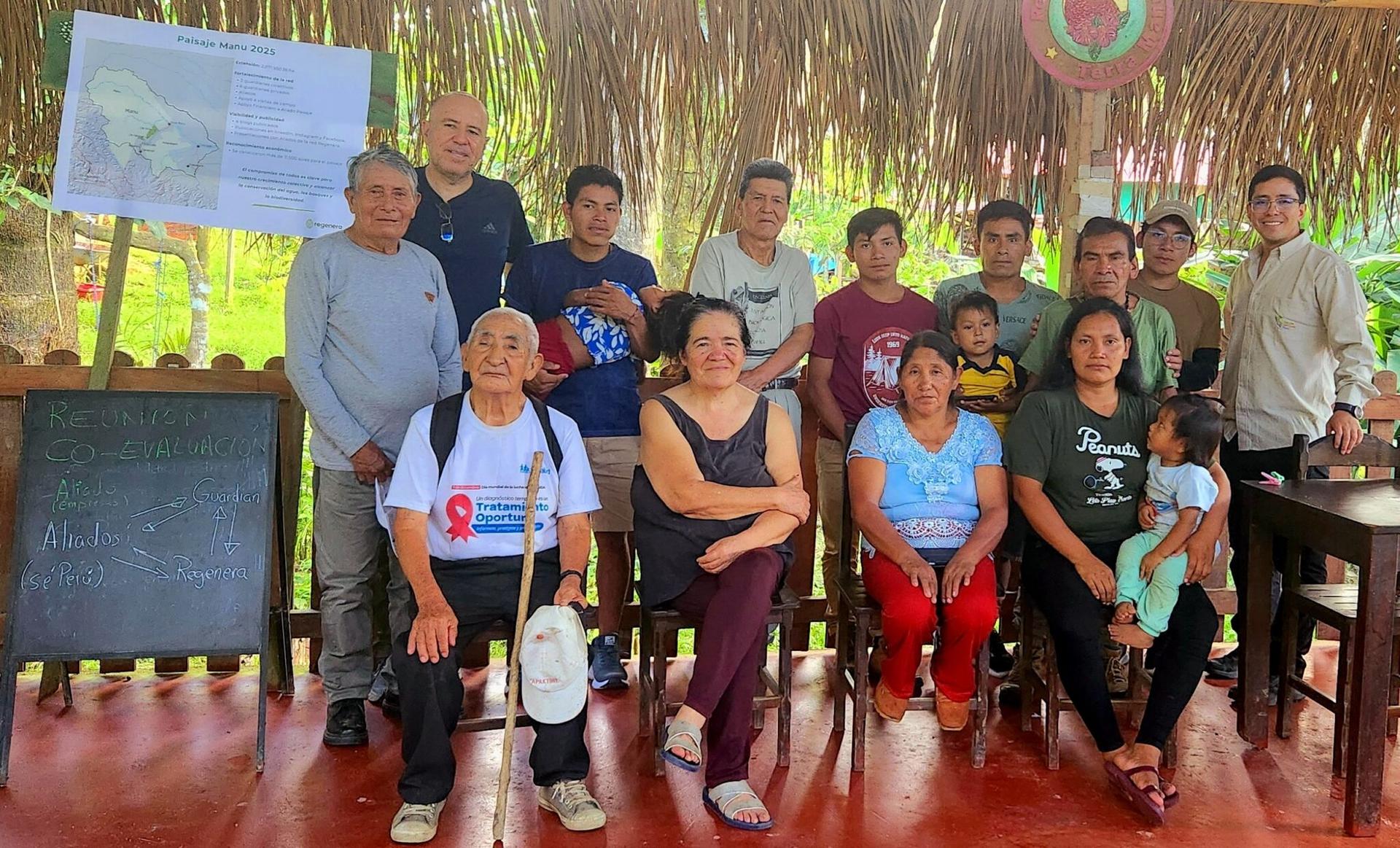
On December 6, the Annual Co-evaluation of the Manu Landscape was held in Salvación. This meeting brought together the leaders of Shipetiari and Palotoa, several community members and four private Guardians of the landscape, together with the sePerú and Regenera team. From the first moments, a different atmosphere was perceived: people arrived eager to learn, review progress, compare experiences and clarify doubts. The dynamic of co-evaluation -where everyone evaluates everyone else- opened a space for honest dialogue in which each voice found its place. What began with timid interventions gained strength, and little by little, shared themes emerged: the importance of clearer communication, the need to strengthen accompaniment in the territory, and the desire for more guidance to better care for their land and communities.
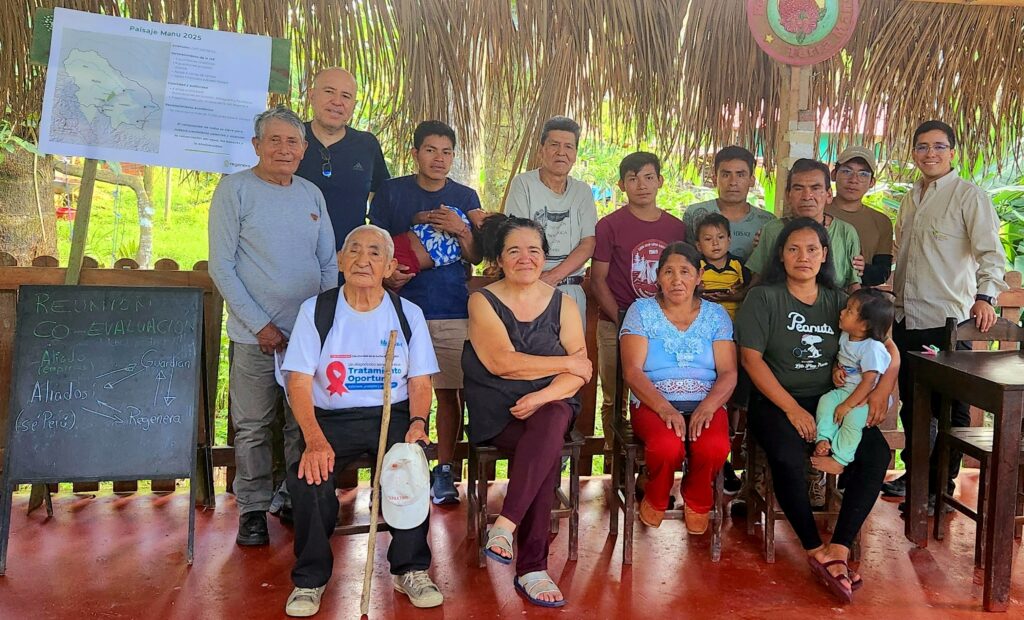
Collective and private guardians sharing reflections in the annual co-evaluation of the Manu Landscape.
In the midst of the exchange, some phrases were echoed. One of them came from Ruperto Mejía Chachón, Private Guardian, who recalled that:
“Being a group gives us the strength to move the network.”
And another came from a communal point of view, pointing to the future:
“Communities have opportunities beyond mining; we must value our forests and empower young people.”
Both expressions summarised not only the feeling of the day, but also the direction that Manu Landscape wants to continue building.
The value of the day was not to reach definitive conclusions, but to have the opportunity to listen to each other sincerely. The conversation made it clear that there are important advances, but also challenges that require constant accompaniment. Above all, it reaffirmed something essential: when Guardians, communities, Allies and Regenera sit down to talk as equals, the network is strengthened from within.
A day that felt different
This year, the co-evaluation took place in a particularly positive atmosphere. Unlike last year, the presence of young, bilingual, confident leaders open to dialogue facilitated the day’s understanding and dynamism.
During the morning talks, the communities were still shy. But as the day progressed, they began to participate more confidently, even to demand issues they considered necessary. For us, this was a clear sign of trust and ownership of the process.
At the same time, the exchange between Guardians was enriching: at the beginning, the communities conversed with each other in their Matsigenka language, and the private individuals did the same, but with time they began to mix, to share experiences, and even to explore the possibility of exchanging useful tree species for their properties.
Perhaps the most significant moment was the closing: it was they, the Guardians, who proposed that the co-evaluation continue next year, in a native community and not in the city. This gesture confirmed that the path we have been following is the right one.
The future of Manu is being written by its communities
Manu lives in those who walk through it, know it and protect it. The strength of its communities, now with new young leaders, demonstrates that conservation is not an abstract ideal: it is a daily, organised, courageous and deeply communitarian work.
As long as the Guardians continue to walk through their forests, meeting to evaluate each other honestly and looking together to the future, the Manu Landscape will continue to be an example that regeneration is possible when it is built from the land to the world.
Tags
- Collective action
- Forest Guardians
- Nature positive
Related articles
- Stories from Earth
- Manu
Read articleShipetiari: a community that chose to conserve its forest
Margony Palacios
- Stories from Earth
- Manu