
Stories from Earth
A better future for the coca leaf

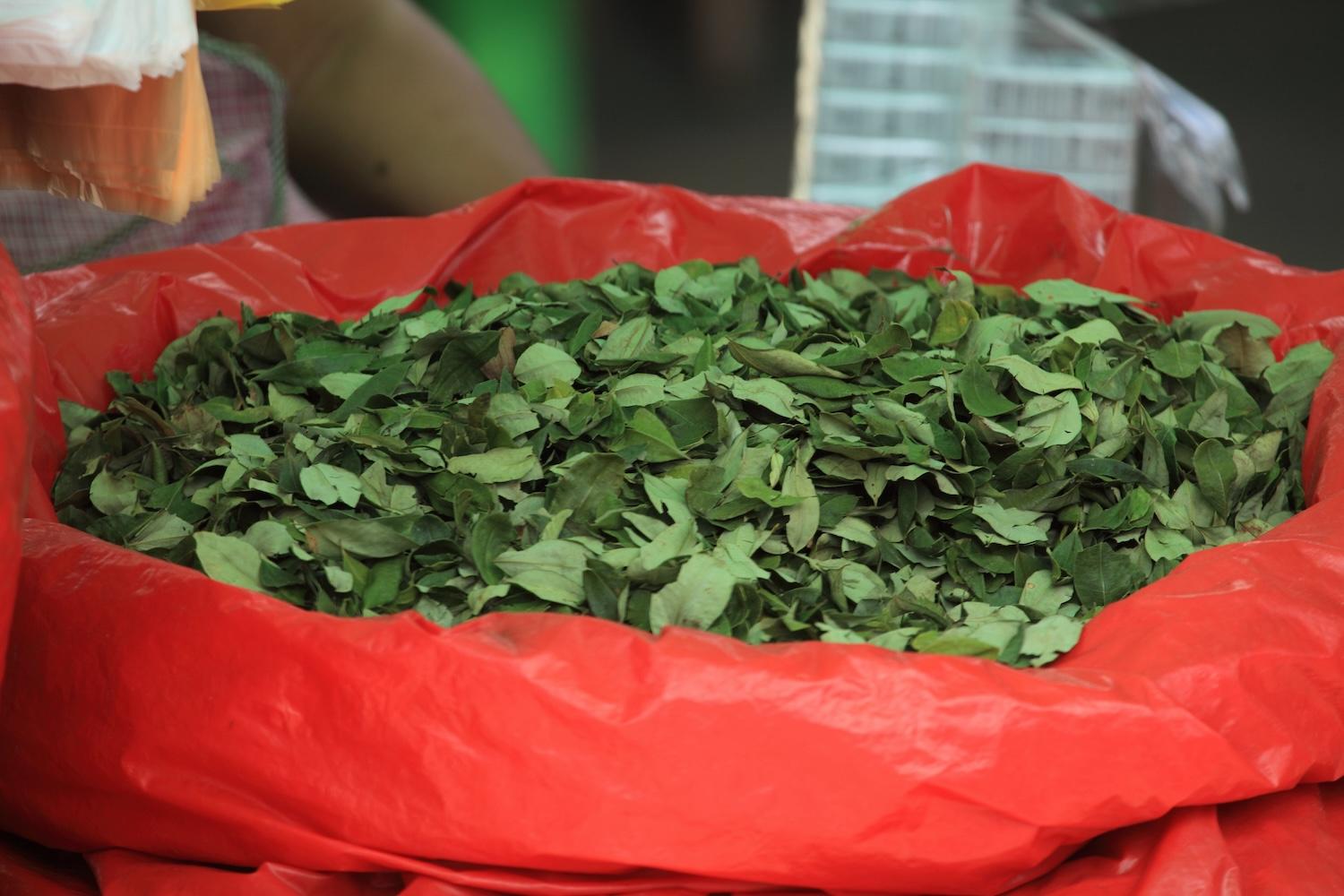
Revered since pre-Hispanic times and consumed traditionally throughout the Andes, the coca leaf is recognised for its extensive medicinal and nutritional properties. Demonized for its illegal use, there is another facet to the sacred plant of the Incas. One that brings benefits for thousands of people who seek to cultivate it legally and who struggle to transform this potent resource into healthy products for the world.
“I came here, to Asunción, sixty years ago. Here I have created my family, dedicating myself to many things, such as lumber and coca leaf cultivation. Of course, always legally, working with ENACO. Many times I have been told that I should plant for the illegal market, but I have always refused. There is nothing better than sleeping peacefully at night without worrying that you are doing something wrong.” Don Nazario Huamán is one of hundreds in the Kosñipata valley –located in the Paucartambo Landscape of Regenera– who have opted to grow coca legally. Today, together with his children, he has decided to give back to his forests what was once taken from him. For more than a decade he has been dedicated to reforesting and restoring his property.
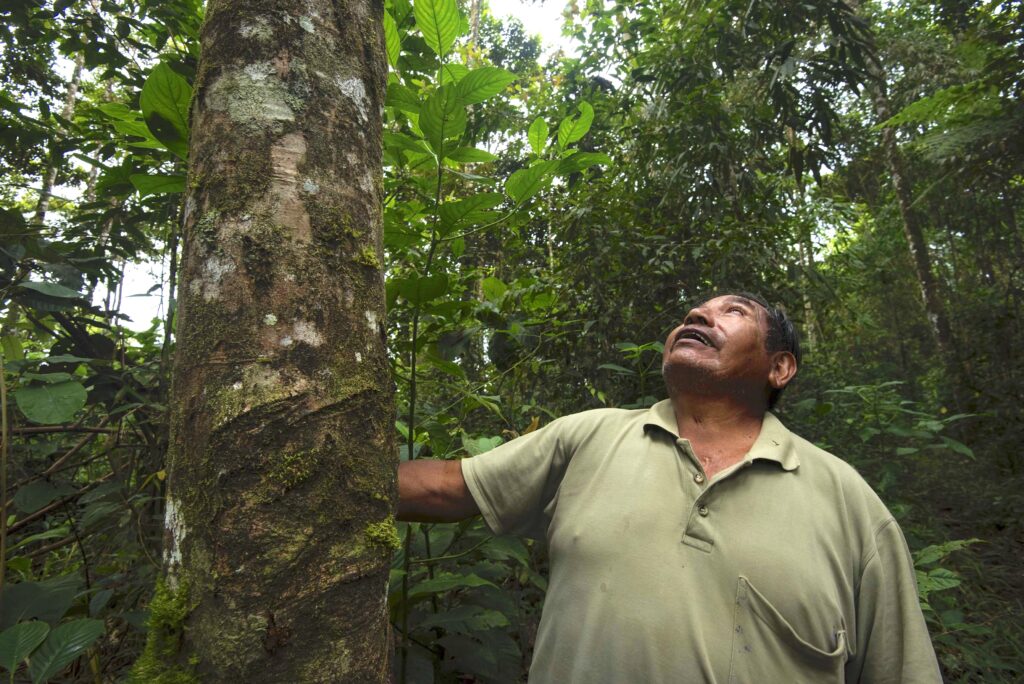
Don Nazario Huamán, Guardian of the Paucartambo Landscape, proudly poses with one of the hundreds of trees he has reforested on his farm in Asunción.
Coca leaf production in Kosñipata, Paucartambo, according to the 2024 report of the National Commission for Development and Life without Drugs (DeVida), has increased in the last five years, going from 1,278 hectares in 2019, to 2,189 in 2023, a growth of almost 80%. This trend in the region is consistent with the growth experienced throughout Peru, which by 2023 reached almost 93,000 hectares, more than 100% compared to 2015. Part of this area is dedicated to the production of cocaine paste and informal trade.
For those who, like don Nazario, sell their production legally, there is a state agency in charge of marketing coca leaf in Peru, the National Coca Company (ENACO). However, its purchasing capacity is small and has been decreasing, according to its annual reports. The leaf collected and then sold by ENACO is used for the transformation of coca into filtered beverages, extracts, flour and liquor. Coca leaf contains five times more calcium than milk and is an efficient energiser, analgesic, antispasmodic, vasodilator, and antitussive.
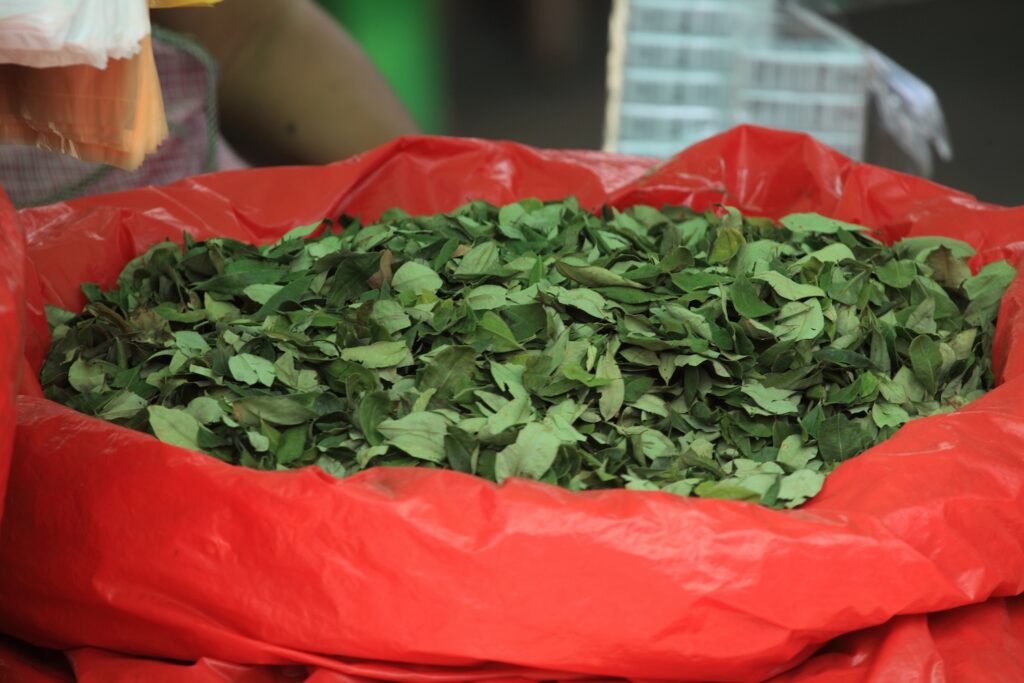
The traditional use of coca leaf is widespread in the Andes, and constitutes a substantial part of both formal and informal trade.
ENACO also exports coca leaf, and in 2109, sales abroad reached US$6.5 million. But as DeVida’s report Análisis de compra-venta de hoja de coca en el Perú indicates: “It is evident that the State is not the only wholesale buyer of coca leaf, informal trade and drug trafficking are important actors […] Studies on the formal commercialisation of coca leaf show the role of ENACO in controlling legal production and trading the permitted coca leaf in a much wider (non-legal) universe.” The document also reports that there is a growing market for legal coca, both for traditional consumption and for industrialisation and export.
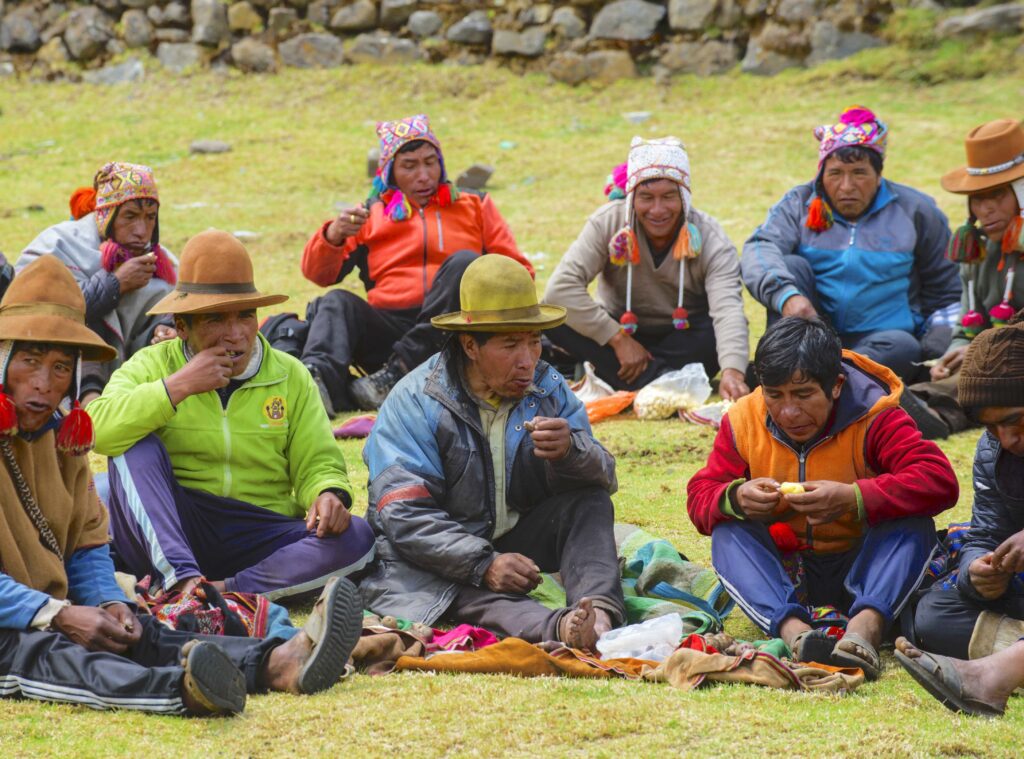
Community members of Q’eros Grande chewing coca during an assembly.
The Peruvian Constitutional Court ruled in favor of legal producers: “It must be recognised that this heritage constitutes a source of opportunities for the sustained development of coca-growing regions; therefore, it is necessary to affirm that the conservation, recovery and sustainable use of the coca leaf requires the agreement of national and regional policies and strategies that guarantee its rational use.“
This is why strengthening ENACO’s work, giving legal growers options –such as recognition of ecosystem services– to obtain legal funds, and an adequate promotion system, with fairer prices, can become a lever for formalisation and to combat the illicit uses of one of the most useful and sacred plants of our forests.
Etiquetas
- Legal coca plant
Artículos relacionados
- Regeneramos Juntos
- Abancay
- Machu Picchu
- Regeneramos Juntos
- Abancay
- Machu Picchu
Leer artículoLa hoja de ruta ambiental: cómo acompañamos este proceso
Margony Palacios