

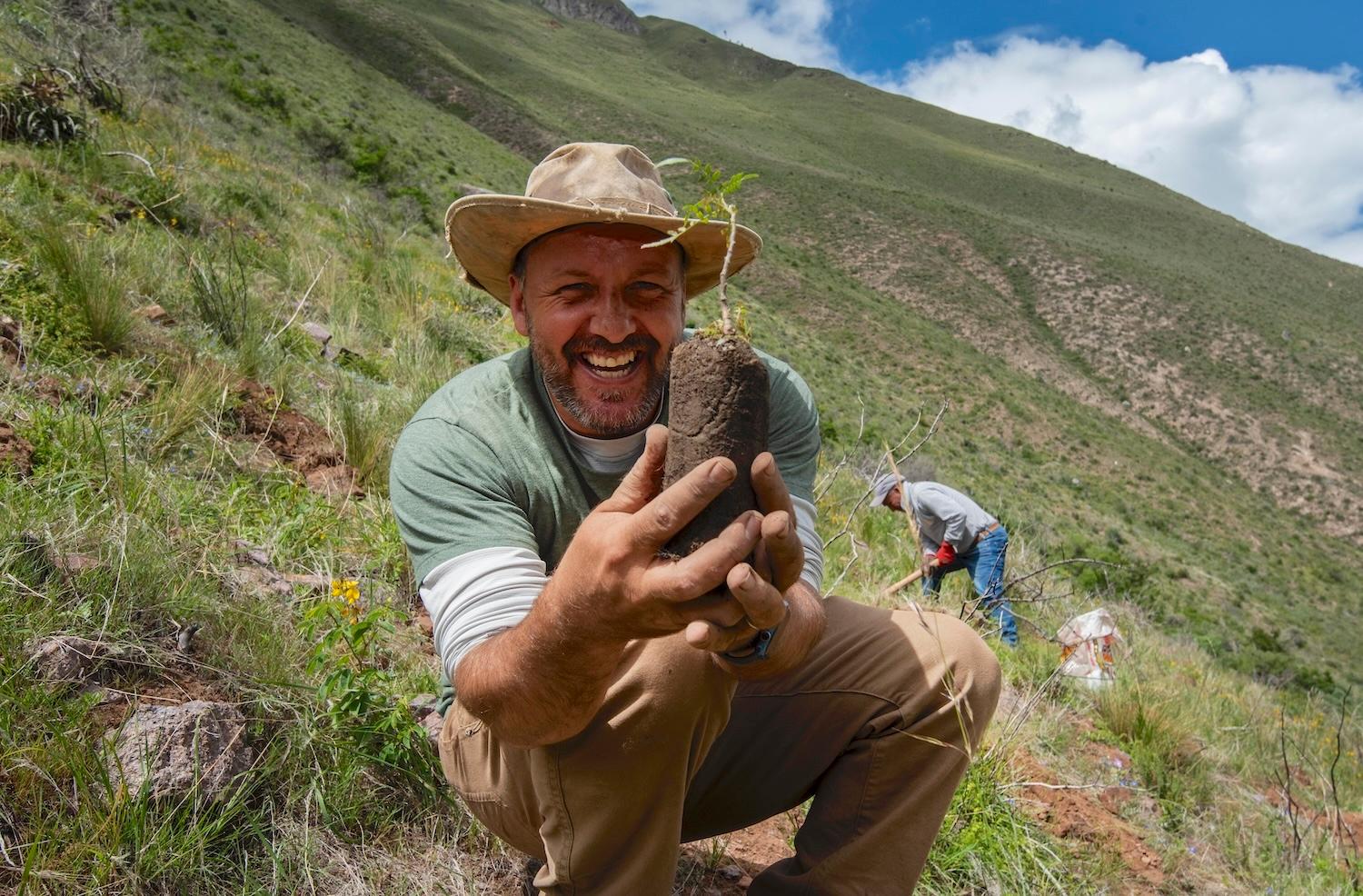
In the buffer zone of the Historic Sanctuary of Machu Picchu—one of Peru’s most important protected areas—two farming communities are committed to valuing Nature and defending their natural heritage. Reforestation with native species, restoration of degraded areas, sustainable tourism, and a determined fight against forest fires are just some of the actions these dedicated men and women of the Andes are carrying out with the support of the Regenera network.
Defending a protected natural area is not only the work of park rangers and specialists. Beyond the boundaries of parks, sanctuaries, and reserves, there are rural men and women deeply committed to their land who have decided to take action to protect it, creating a protective belt that ensures the future of forests and biological diversity.
This is the mission of Regenera, a network that connects private institutions with communities and landowners who want to protect their territories. In this way, private Allies offset their environmental footprint and provide resources to rural Guardians so they can carry out conservation and restoration work for Nature and the climate. This work follows a Landscape approach, which not only involves land managers but also includes technical allies with regional experience, as well as public institutions engaged in the governance of each Landscape.
In the Machu Picchu Landscape, the rural communities of Piscacucho and Misquiyaco are working to preserve their lands, restore degraded areas, and generate income through sustainable activities such as tourism and the commercialization of climate regulation services provided by their forests.
Piscacucho: The Gateway to the Great Inca Trail
Located at the end of the Sacred Valley of the Incas, near the town of Ollantaytambo, the farming community of Piscacucho is the entry point to the famous Inca Trail to Machu Picchu, one of the world’s most iconic and in-demand trekking routes. Every day, an average of 500 people begin this four-day trek through community lands, starting at kilometer 82 of the railway to the sacred Inca citadel.
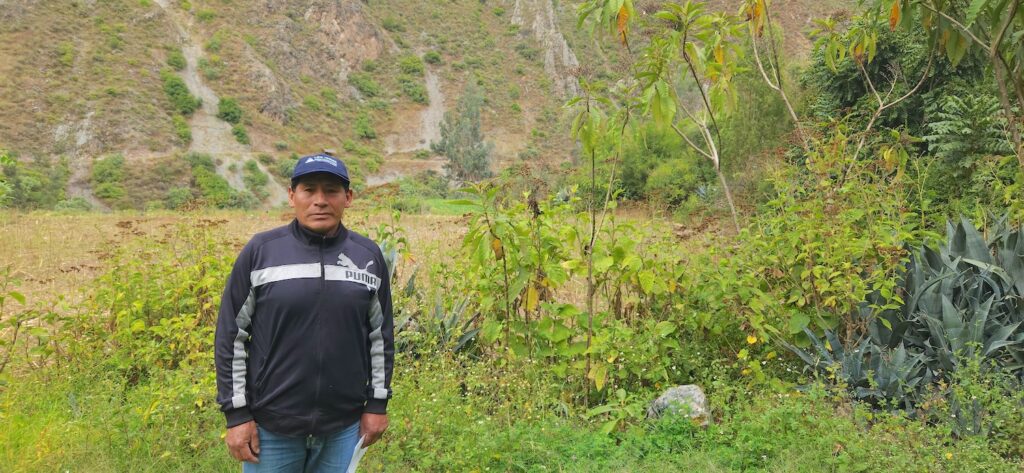
Leader of the Piscacucho Community
The community’s president, José Loayza Quispe, a man of sincere words and calm manners, speaks of his people’s commitment to protecting their land and regenerating their ancestral native forests.
“Together with Regenera and Valle Sagrado Verde, we are focused on reforesting our hillsides with different native species. In the last work season, between December and February, we planted 8,000 saplings of native trees such as queuñua, chachacomo, and highland cedar. We have also formed our first brigade of forest firefighters and joined the great effort to combat the fires that affect our communities every year. Our commitment is to improve the environment, and with the significant support we receive from Regenera, we will achieve it.”
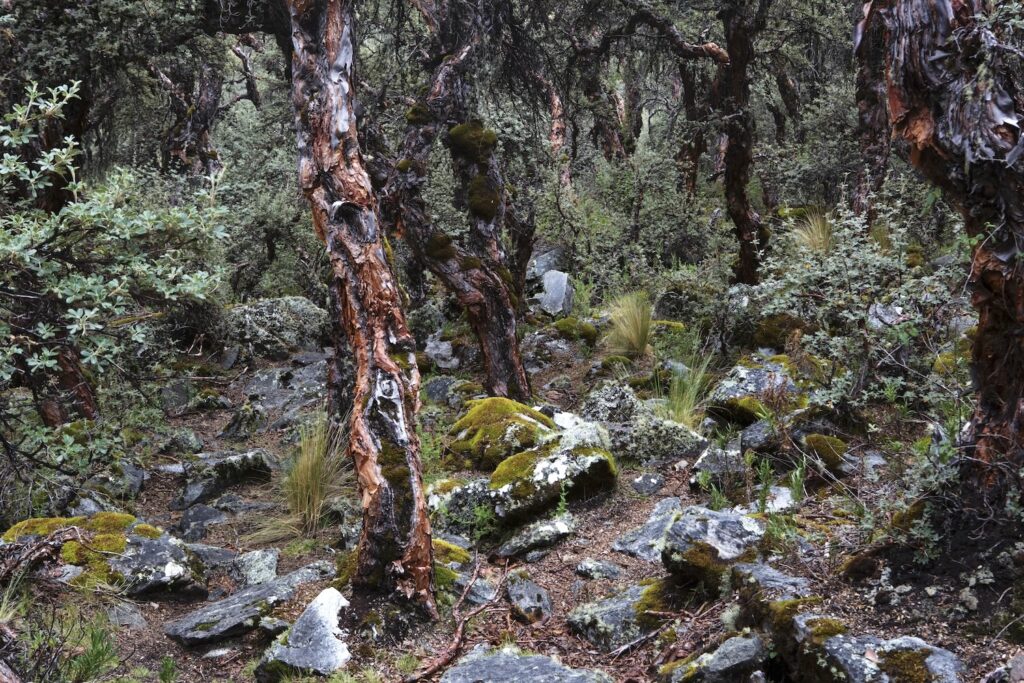
Queuñua forest
The technical ally in the Ollantaytambo sector is Valle Sagrado Verde, a program that has been carrying out important work in reforestation, restoration, and wildfire prevention and control. Since 2020, they have worked alongside the local government, private institutions, and communities, providing the tools and resources needed for society to better manage its environment. So far, they have planted 90,000 native trees, restored nearly 38,000 square meters of forest, and facilitated the creation of 55 firefighting brigades, reducing local fires by up to 65%.
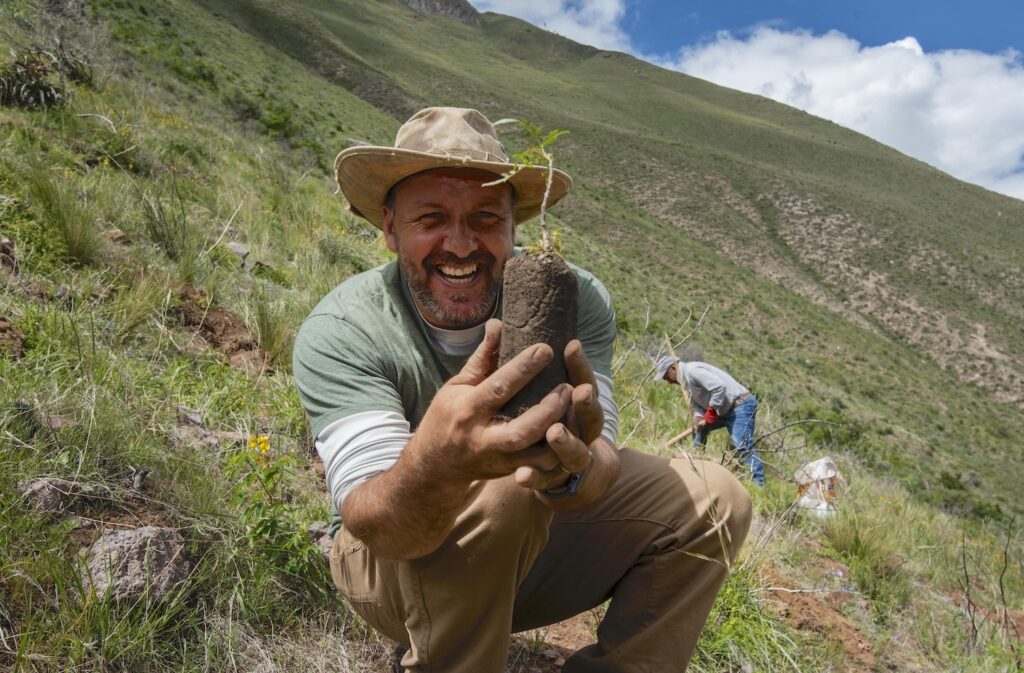
Joaquin Randall
Joaquín Randall, director and founder of the initiative, explains:
“Thanks to this work in conservation, reforestation, and restoration, we are sowing water to combat the recurrent droughts in the region. By reforesting slopes, we stabilize the soil and prevent landslides, and ultimately, we contribute to mitigating the effects of the climate crisis that is affecting the planet so severely.”
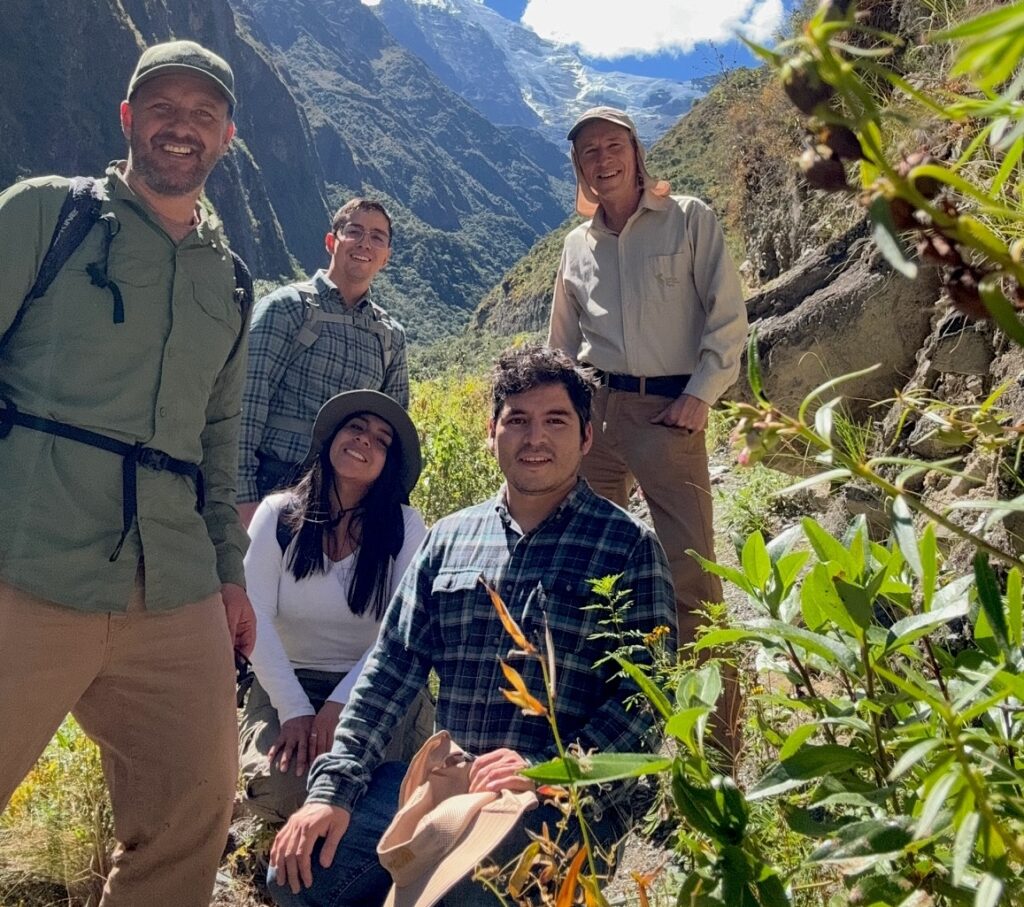
The Valle Sagrado Verde and Regenera Teams
Misquiyaco: Protected Forests and Sustainable Tourism
The rural community of Misquiyaco is located just a stone’s throw from the town of Limatambo, between Cusco and Abancay, one of the gateways to the Salkantay Trail—another route to Machu Picchu. There, the farmers—dedicated mainly to avocado cultivation for the regional market—have chosen to protect their native forests by creating the Mishquiyacu Private Conservation Area (PCA), which, at 1,797 hectares, is the fourth largest in Cusco.
Former community president Atilio Valer Zamalloa says:
“Our PCA benefits us greatly. Thanks to it, we now understand the importance of caring for our forests. We know now not to burn, not to cut trees, to avoid abuses, because the forests represent our life. Thanks to them, we breathe clean air.”
In addition to protecting their forests, the community has embraced sustainable tourism. Together with Explorandes—a company with 50 years of experience in nature tourism—they have been developing an alternative route to access Machu Picchu.
Martín Romero, general manager of Explorandes and one of the first companies to join Regenera, comments that:
“We are committed to measuring and offsetting our environmental footprint, and we firmly believe in nature-based solutions, because they allow us to go further by contributing to biodiversity preservation and the sustainable development of communities that guard these Landscapes. In this case, tourism adds value to these places, which are carefully protected by their inhabitants and enriched by their human stories.”
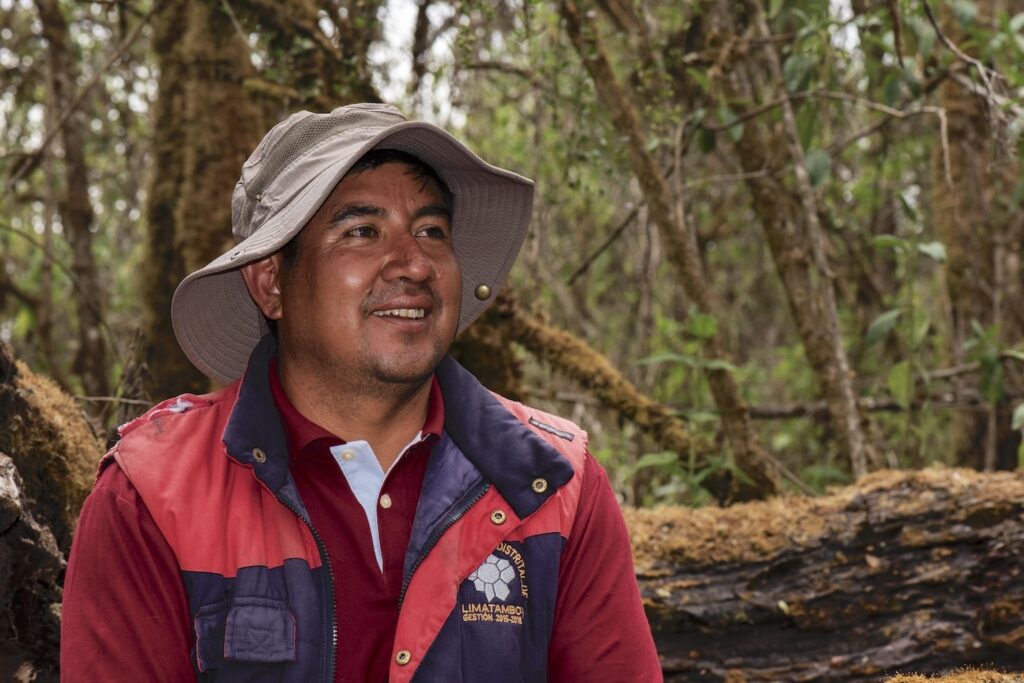
Ronal Gonzáles
The people of Mishquiyacu are striving for a different future. As Ronal Gonzáles puts it:
“We want to leave a legacy for our children, so that 20 years from now they will become forest guides and conservationists, ensuring our resources are well protected. We are Guardians of Regenera, since it provides us with economic benefits while we protect the forest. This helps us realize that our forests have added value, for the world and for us as farmers. It is another light on our path, guiding us toward our goal of conserving our territory.”
The Regenera Path
One of Regenera’s main goals is to create synergies among all actors in each Landscape. This approach looks beyond a single protected area, a single community, or an endangered species—it works to make all elements function together. The aim is to bring together NGOs, rural and Indigenous communities, the State, and civil society around a shared vision for conservation and development.
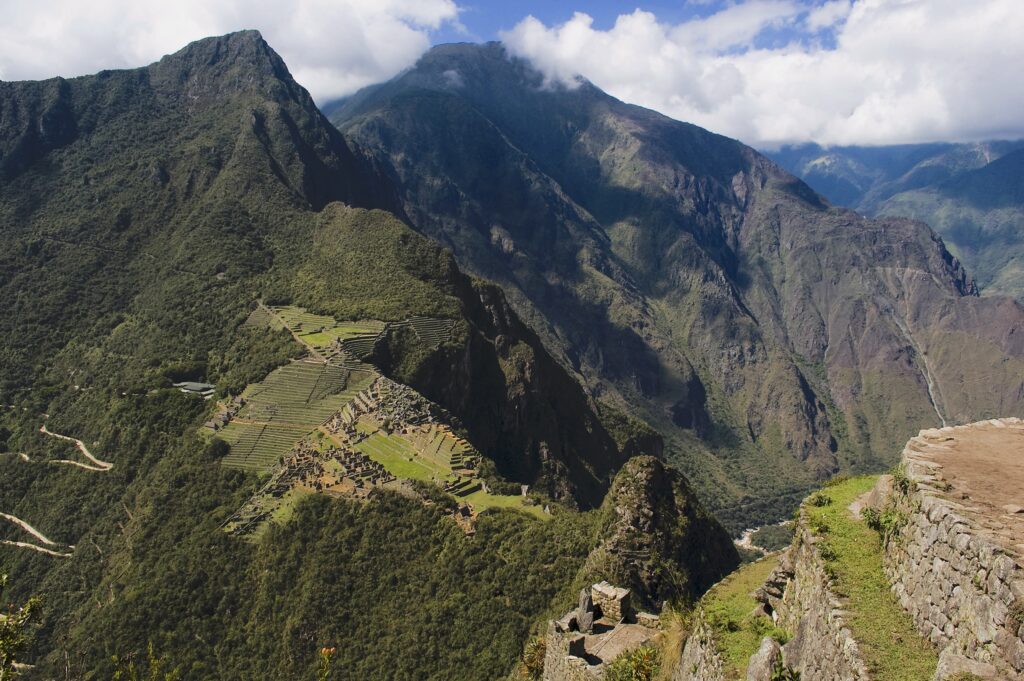
Machu Picchu
Frank Hajek, director of Regenera, explains:
“In the case of the Machu Picchu Landscape, communities serve both as buffer zones and ecological corridors. These neighbors of the Sanctuary form a barrier against threats such as seasonal fires that could affect the Sanctuary’s forests and biodiversity. As corridors, the forests and highlands they protect allow flora and fauna to move across territories. Reforestation and restoration efforts contribute to this goal, and community involvement in fire prevention and control works hand in hand with the Sanctuary’s park rangers.”
In both communities’ Life Plans, the creation of communal conservation areas has been included, complementing the conservation goals of the Historic Sanctuary of Machu Picchu.
“In Misquiyaco’s case,” Hajek continues, “we are working with Sernanp and the Ministry of Culture to open an alternative route to the Inca citadel, which will help reduce pressure on the main trails while ensuring cultural and nature-based tourism benefits more communities.”
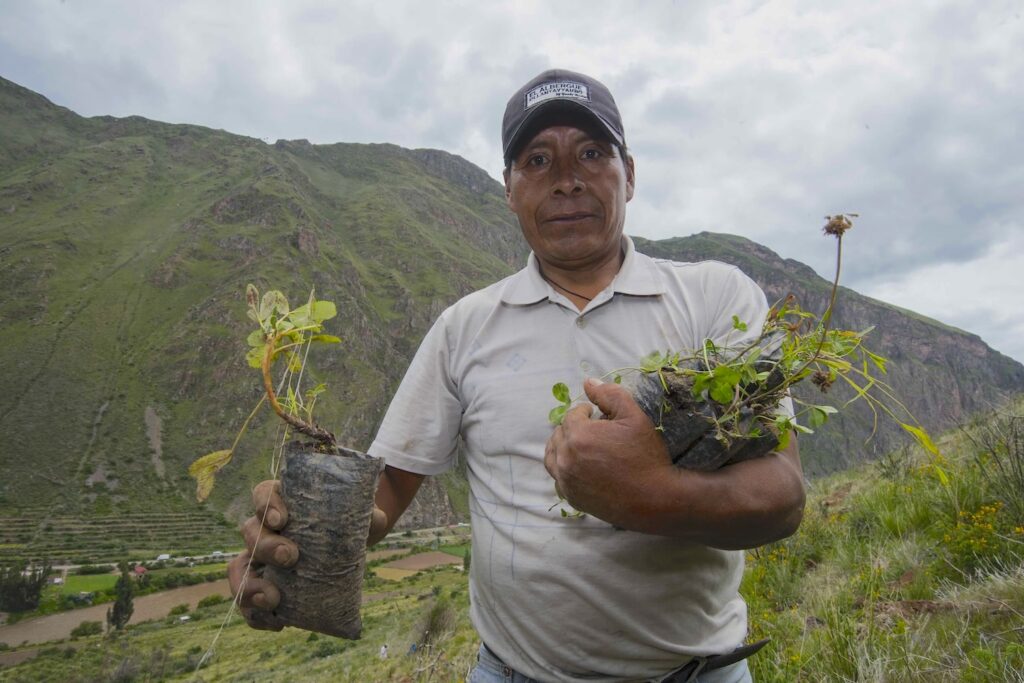
A community member working to reforest the Landscape
Jans Huayca, tourism advisor at Strategik, who worked with the community of Misquiyaco to develop its Tourism Plan, adds:
“Being part of the network will allow them to earn income through forest conservation. These funds will not only support monitoring and strengthen administrative and conservation skills but also reinforce their community organization.”
Finally, Patricio Zanabria, of SePerú—technical ally in the Machu Picchu Landscape—says:
“Together with Regenera, we have strengthened existing community processes by turning them into visions or Life Plans. These give communities a clearer goal for the future and strategies to achieve it. With the income from Regenera, they can fund patrols, reforestation work, and firefighting, directly supporting the preservation of their natural heritage.”
Through sustainable tourism, fire prevention, reforestation, and the restoration of Nature, these communities are building a collective commitment to the Machu Picchu Landscape and to defending our shared home. Guardians of the future, ready to protect the land and water, biodiversity, and the climate.
Etiquetas
- Andean forests
- Collective action
- Forest Guardians
Artículos relacionados
- Historias de la Tierra
- Machu Picchu
Leer artículoLa regeneración se logra en colectivo y a largo plazo
Margony Palacios
- Aliados en Acción
- Machu Picchu
Leer artículoStrategik x regenera: una alianza por la Naturaleza
Margony Palacios

- Aliados en Acción
- Machu Picchu
- Manu
Leer artículo¿Cómo reducir el impacto de construir? La pregunta detrás un nuevo hotel en Machu Picchu
Margony Palacios