
Partners in Action
Regenerating the Great Inca Road in Peru

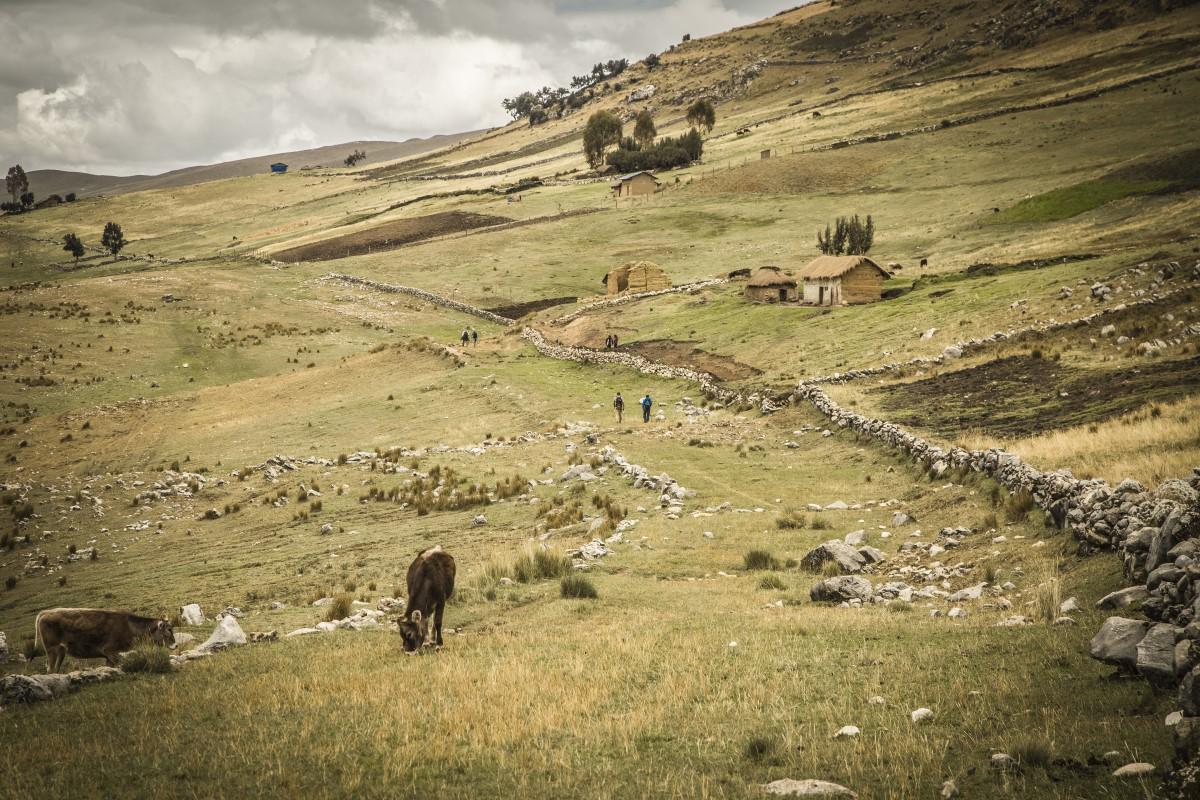
Featured image: The Great Inca Road. ©SA Expeditions
Nick Stanziano is a man with a vision — a grand vision of the Great Inca Road restored to its former glory through sustainable ecotourism, combined efforts of governments, private industry, and thousands of rural communities along its ancient route. It is a vision that will likely be his life’s work.
SA Expeditions began in 2010 as a small company specializing in tours to and within Peru. By 2015 it was fully formed, having expanded its destinations to include Africa, southeast Asia, and the Polar regions. Nick Stanziano, the company’s Peruvian-American founder, describes his role as ‘Chief Explorer’, and conceptualises this not only in the sense of physical travel to new, exotic lands but also in terms of growth in values, ethics, and imagination.
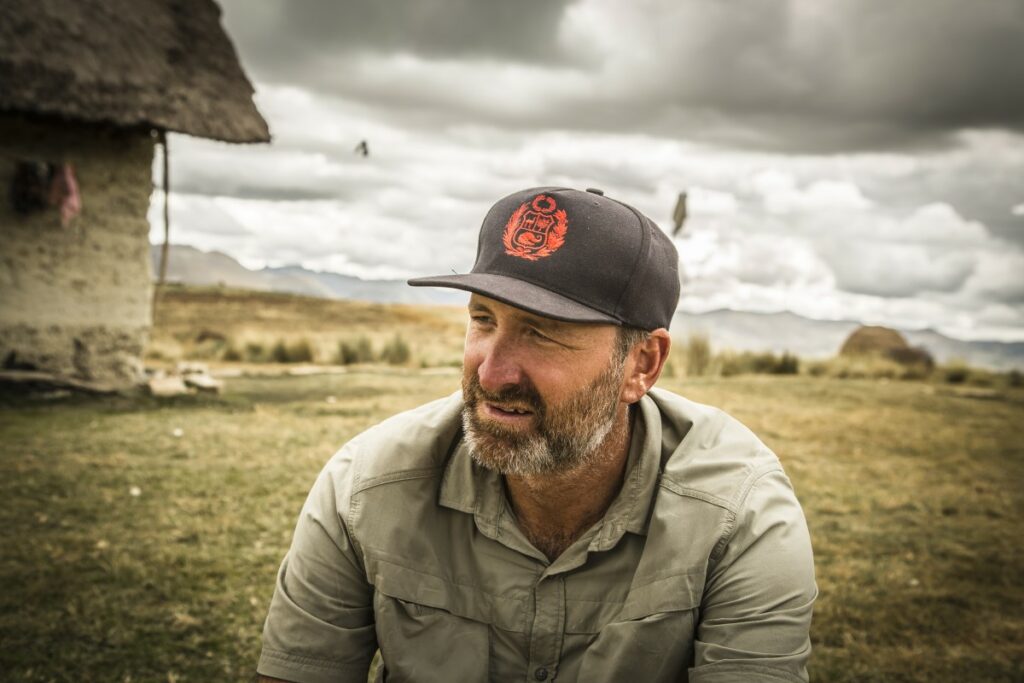
Nick Stanziano. ©SA Expeditions
In 2016, Nick set his company’s sights on a larger journey of purpose, going beyond profit and client fulfilment: most importantly, its positive impact had to be felt also by local people and local environments. A core stakeholder of this vision, based on Nick’s deep understanding of past and current tourism in Peru, is an ancient route known as the Great Inca Road. Over a period of more than a decade, Nick has walked 5,000 of its kilometres, and firmly believes that, like Machu Picchu, another Inca archaeological site of international renown, the road has huge potential as a cultural resource for sustainable ecotourism development.
The Great Inca Road: A UNESCO Heritage Site at Risk
The Great Inca Road runs from Cuenca, Ecuador, in the north, to Cusco, Peru, in the south, and forms the backbone of an extraordinary Andean trade, defence, and communications network known as the Qhapaq Ñan (pronounced Capac Nyan). In its heyday in the 15th century, the Qhapaq Ñan comprised 30,000 kilometres of cobbled roads and trails, massive causeways, swaying rope bridges, and lofty mountain passes. It connected the far reaches of the entire Inca empire, from Colombia to Argentina, and from lush rainforest to Pacific coast. It was an epic feat of pre-industrial engineering that resulted from an intimate understanding of the physical and natural environments and their constraints.
We have much to learn from the ways of the legendary Incas.
Sadly, the Qhapaq Ñan has suffered over the centuries. It was made for use by people and llamas: the hard hooves of innumerable horses and mules post Inca times have damaged many trails. Villagers have removed stones from paths to build corrals for livestock or foundations for adobe homes, and mining companies have paved over sections to create access routes. Floods, erosion, and climate change are causing further deterioration. Despite being designated a UNESCO World Heritage Site in June 2014, the Qhapaq Ñan today is a faint tracery of its former self and will fade into oblivion, unless championed.
Sustainable Ecotourism as Conservation Along the Qhapaq Ñan
Nick is passionate about promoting responsible adventure ecotourism — in the form of fully supported, sensitively managed treks — as the best way to counteract the decline of the Road, preserve its natural ecosystems, and improve the wellbeing of local people living along it. To this end, partnerships of all sorts are key. One such partnership is with Regenera.
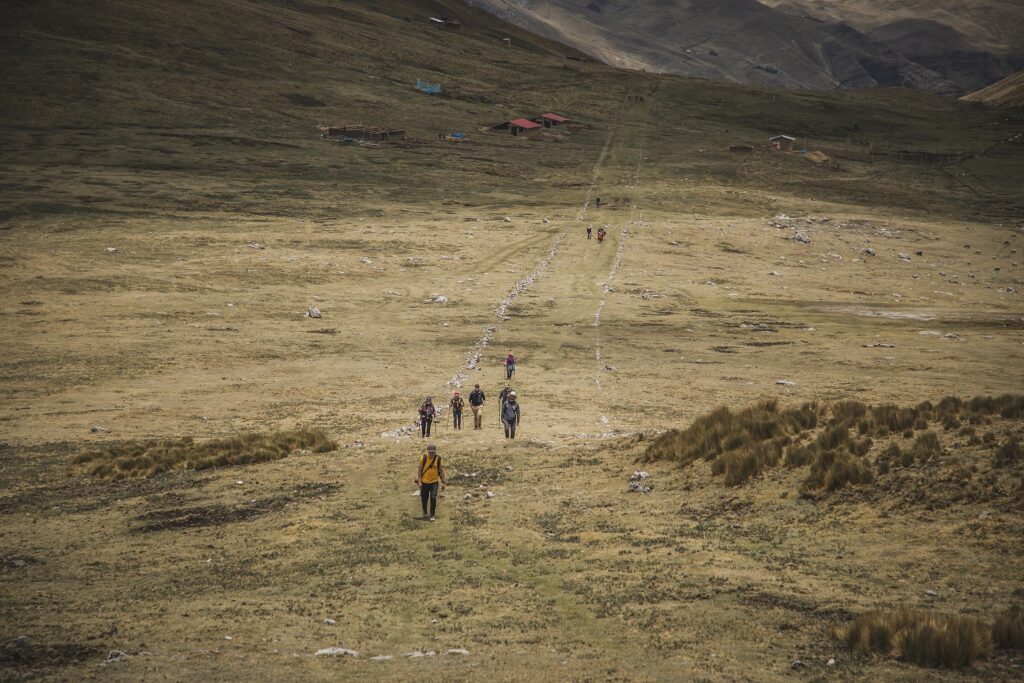
The Great Inca Road. ©SA Expeditions
”
SA Expeditions, Regenera and the Great Inca Road
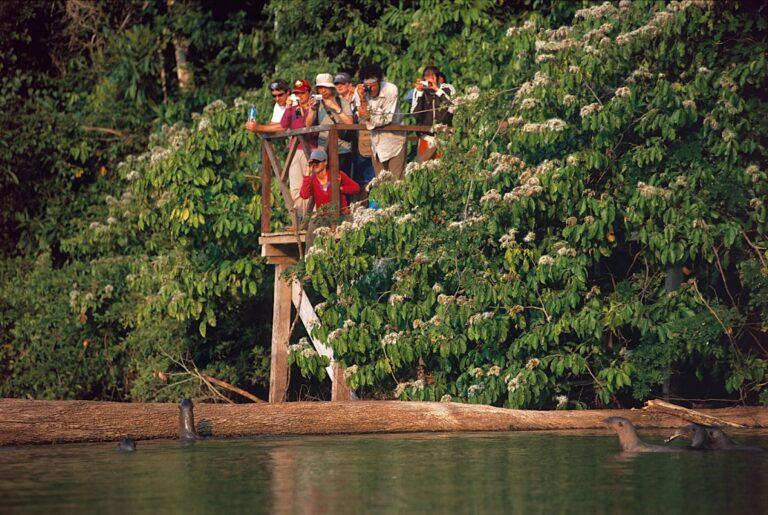
Being curious and conscious travellers ourselves, we are the first to acknowledge the role travel plays in global warming,” says Nick. For this reason, SA Expeditions has been offsetting carbon emissions of the travel itineraries — internal flights, land transfers, hotel stays, daily excursions — of all their clients since 2018, and has been doing so through Regenera since November 2022. SA Expeditions is achieving this by supporting nature restoration by the Indigenous communities of Shipetiari and Palotoa-Teparo, in the Manu Landscape, at the foothills of Cusco. For the Incas, Cusco was the ‘navel of the earth’ and the sacred centre of their empire.
We are confident that our collaboration with SA Expeditions will expand to include communities along the Great Inca Road as Regenera Guardians, thus helping Inca descendants look after their unique heritage.
Etiquetas
- Community
- Ecotourism
- Carbon neutral
Artículos relacionados

- Historias de la Tierra
- Machu Picchu
Leer artículoLa regeneración se logra en colectivo y a largo plazo
Margony Palacios
- Aliados en Acción
- Machu Picchu
Leer artículoStrategik x regenera: una alianza por la Naturaleza
Margony Palacios
- Aliados en Acción
- Machu Picchu
- Manu
Leer artículo¿Cómo reducir el impacto de construir? La pregunta detrás un nuevo hotel en Machu Picchu
Margony Palacios