Regenerate Together
Why is the Amazon so important for us all?

Most of us have heard or read snippets of information over the years about why the Amazon is so important, perhaps on the news, or in school, or while checking our social media feeds. But maybe those facts were too dry / bitty / technical / oft-repeated / insert-your-adjective, to have real meaning. So we thought we would try grouping the 7 big-picture reasons here, in the hope you will find it helpful.
Our source is the Executive Summary and Part I of the 2021 Assessment Report produced by the Science Panel for the Amazon (SPA), a group of over 200 scientists, researchers, and other experts on all things Amazonian. I have shamelessly copied the juiciest parts of the text and edited them somewhat for the purpose of this blog.
The Amazon as a giant air-conditioner
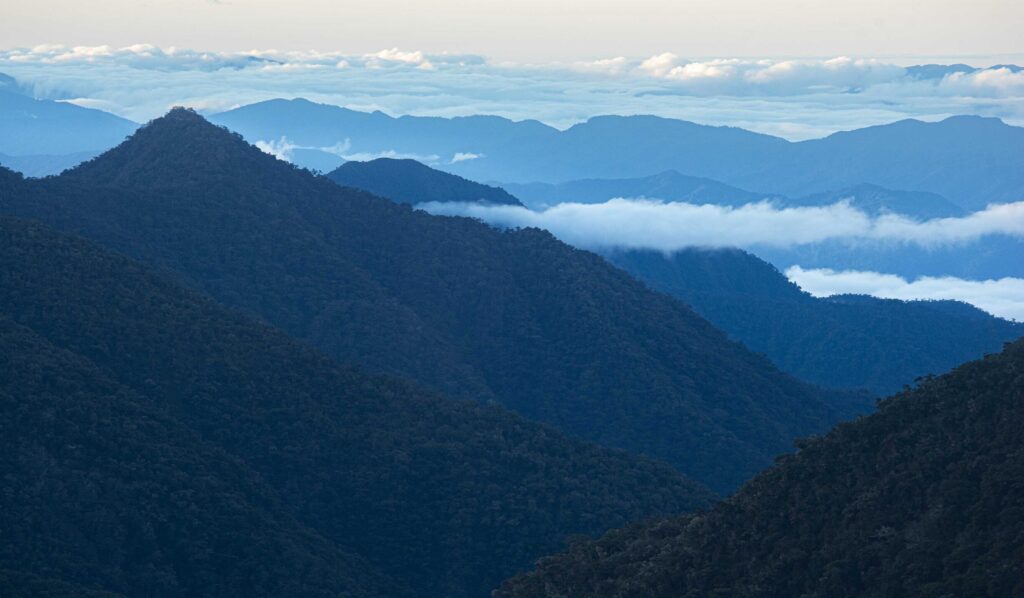
Forget ‘lungs of the earth’ (it turns out the oxygen we breathe comes from the planet’s oceans, not the Amazon). But the Amazon River Basin is one of the most critical components of the Earth’s climate system, due to its tropical location, bounded to the west by the Andes mountains, and its immense size. The forest acts like a giant ‘air-conditioner’, lowering land surface temperatures, and generating rainfall, which is especially important for the bread-basket regions of southern Brazil, Uruguay, and Argentina.
The Amazon as a freshwater artery
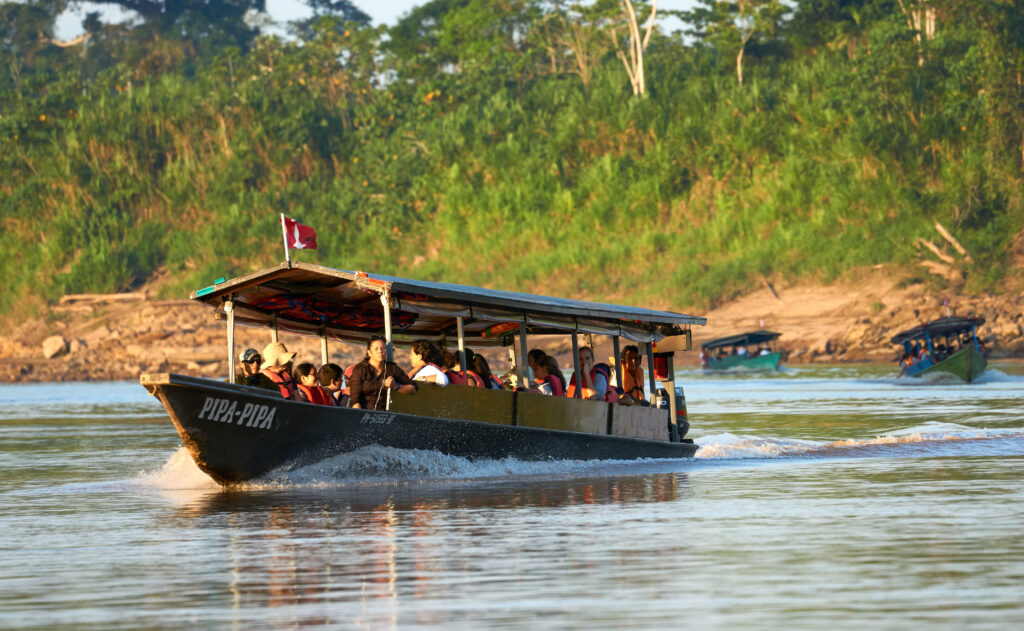
The Amazon River Basin also holds the largest tropical wetland area on Earth and is the world’s largest store of freshwater. The Amazon River flows four thousand kilometres from the Andes to the Atlantic, carrying more water than any other river, about 220,000 cubic metres per second, roughly 20% of the world’s total river discharge to the oceans. This massive influx of freshwater influences the salinity and temperature of the ocean, which can affect ocean currents, weather patterns, and marine ecosystems both locally and globally.
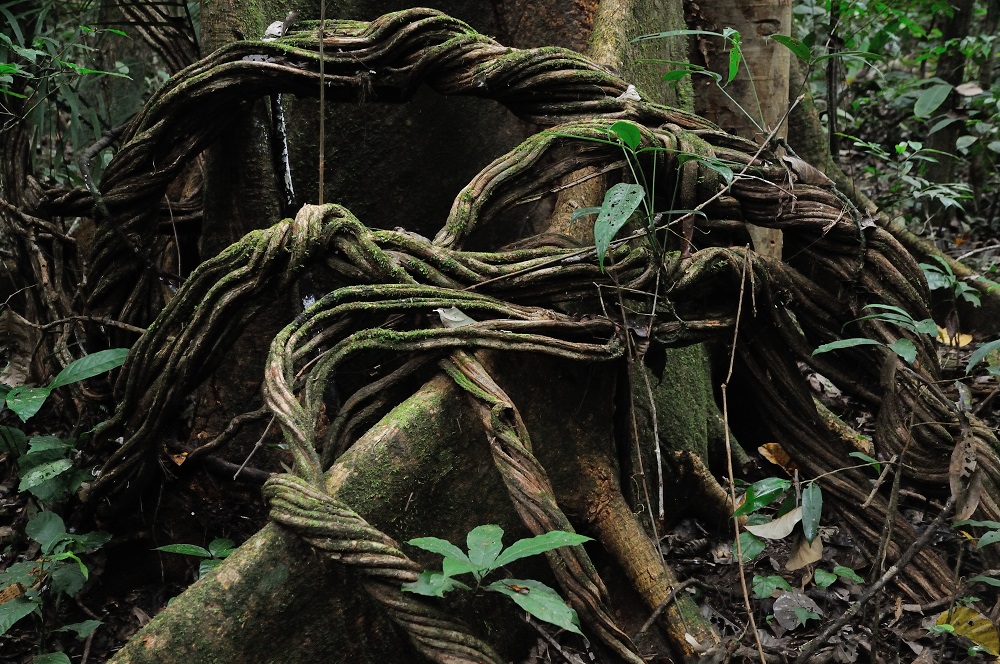
The Amazon as a global carbon bank
Because of its size and the carbon density of its ecosystems, the Amazon rainforest is a huge carbon bank, accounting for about 16% of terrestrial productivity and 150-200 billion tonnes of carbon stored in soils and vegetation. Undisturbed regions of the Amazon lowland forest are a net carbon sink, absorbing more carbon from the atmosphere than they release and helping to combat the climate crisis.
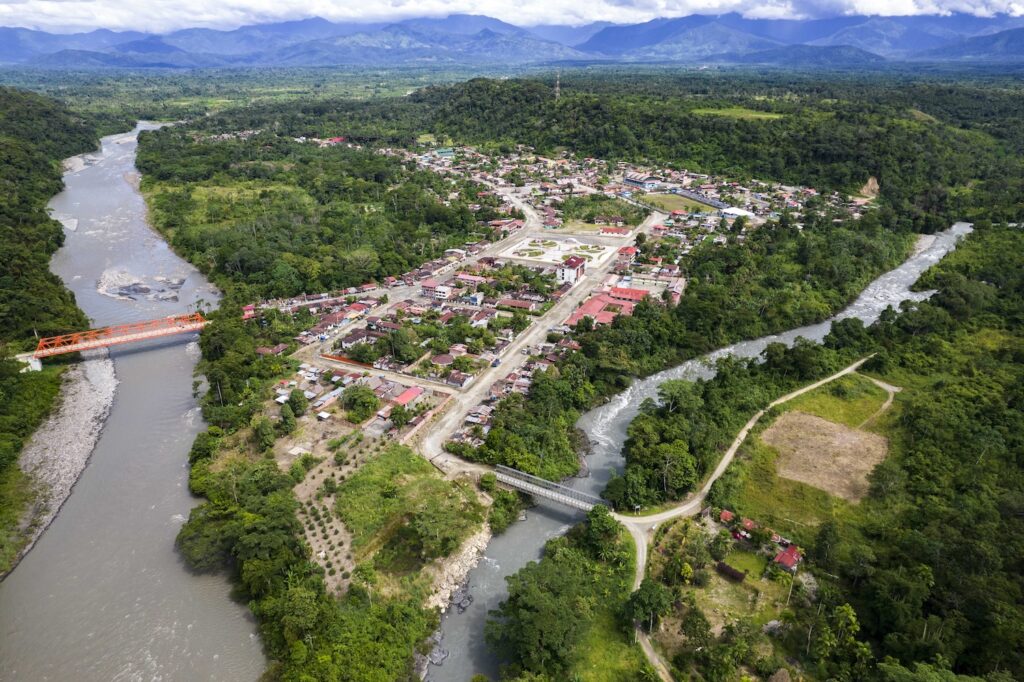
The Amazon as home to millions
The Amazon is home to around 47 million people, including Indigenous people (nearly 2.2 million), Afro-descendent communities (Maroons, Quilombolas), and extractivists of mixed descent (mestizos, caboclos, ribeirinhos). Around 80 of the 410 groups of Indigenous peoples remain in isolation from the rest of society, as a strategy of collective preservation.
Together, Indigenous peoples and local communities play a critical role in the sustainable use and conservation of Amazonian biodiversity, holding deep, experiential knowledge of agricultural, aquatic, and agroforestry systems.
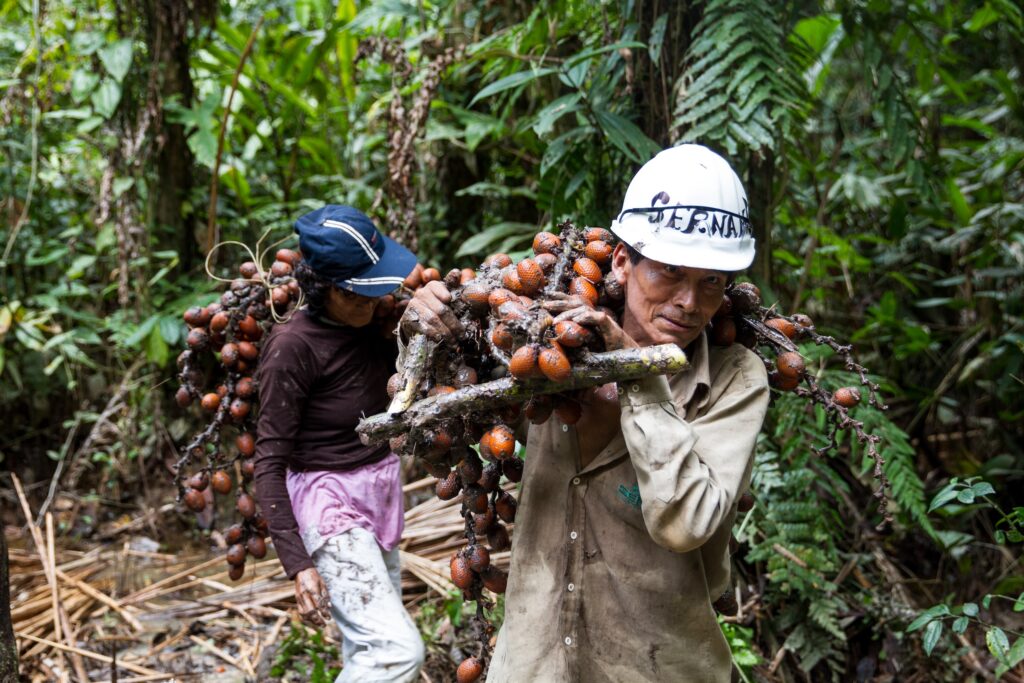
The Amazon as a mega supermarket
The Amazon represents one of the world’s most important food-producing zones and is crucial for global food security and economic stability. More than a hundred plant species native to the Amazon – mostly trees and other perennial species – were domesticated to some degree by pre-Columbian peoples. Such practices transformed the Amazon and made it a cradle for agrobiodiversity production.
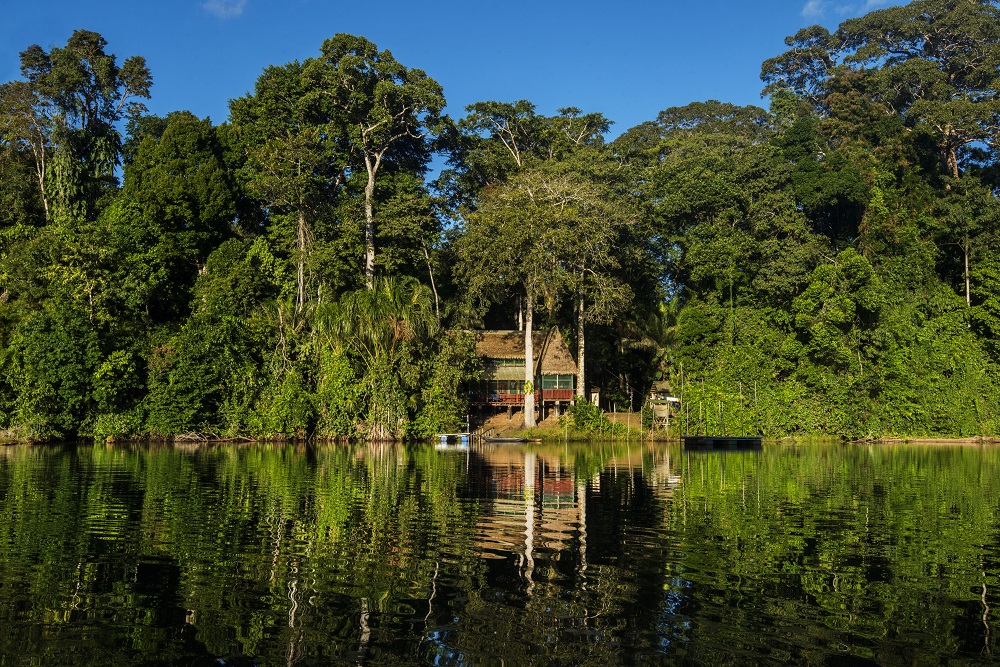
The Amazon as a Nature sanctuary
A network of more than 6,000 Indigenous territories and over 500 protected areas cover around 50% of the Amazon basin. This is by far the largest protected wilderness network on Earth. Importantly, Indigenous territories and protected areas show significantly lower deforestation rates relative to unprotected forests.
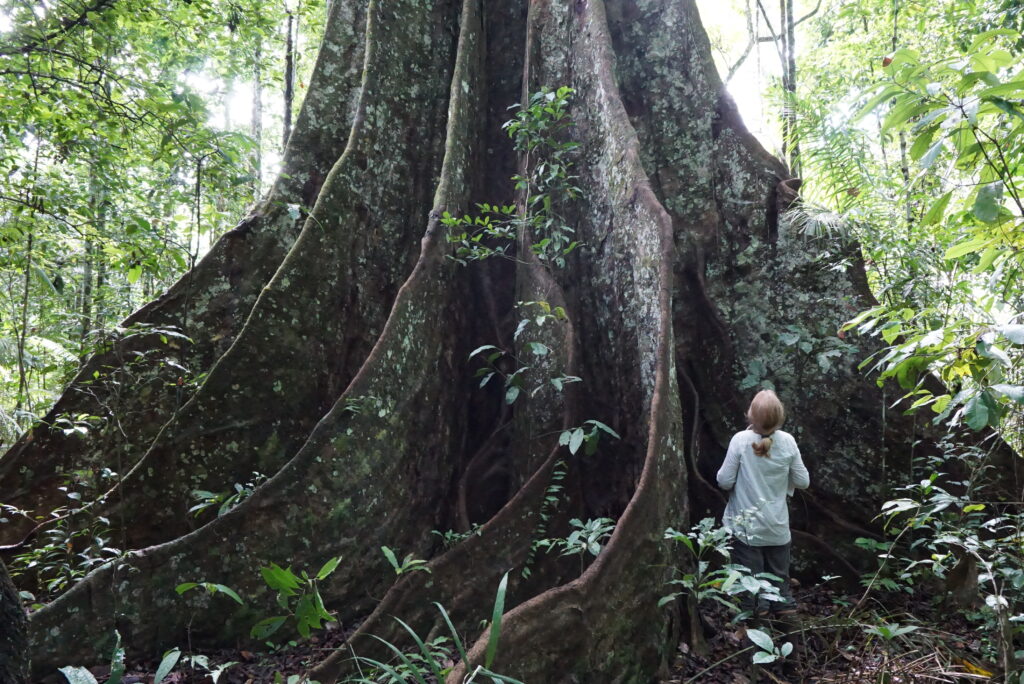
The Amazon as a wonderland
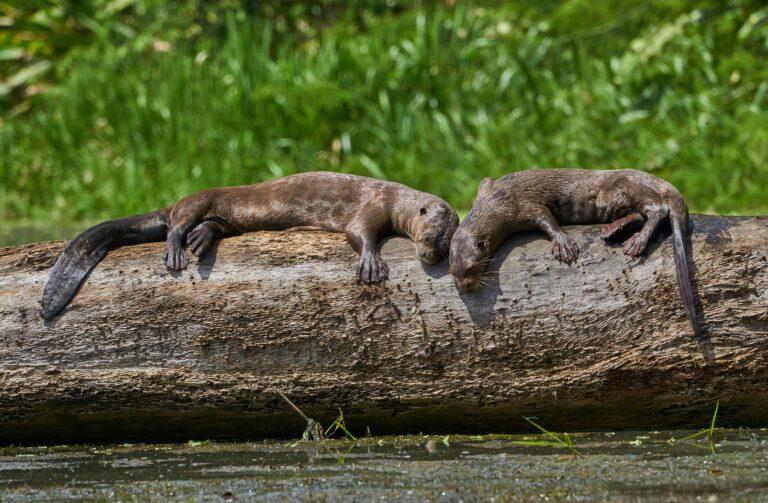
Let’s start with trees. The Amazon Basin holds the most extensive rainforest in the world, covering 5.79 million square kilometres, and is likely the richest forest area globally, holding an estimated 16,000 tree species and perhaps over 50,000 plant species, many still unknown. With close to 400 billion individual trees, the Amazon is home to 13% of all trees worldwide. The highest tree diversity occurs in the northwestern and central Amazon, where a plot of one hectare may include over 300 tree species. More tree species may be found in a 10,000 square metre area of Amazon rainforest than in all of Europe.
In parts of the Andes and Amazonian lowlands, a single gram of soil may contain more than 1,000 fungi species. A total of 95 different ant species were found on a single tree, as many as the entire native ant fauna of Germany. In fact, scientists describe new species in the Amazon at the extraordinary rate of one every other day.
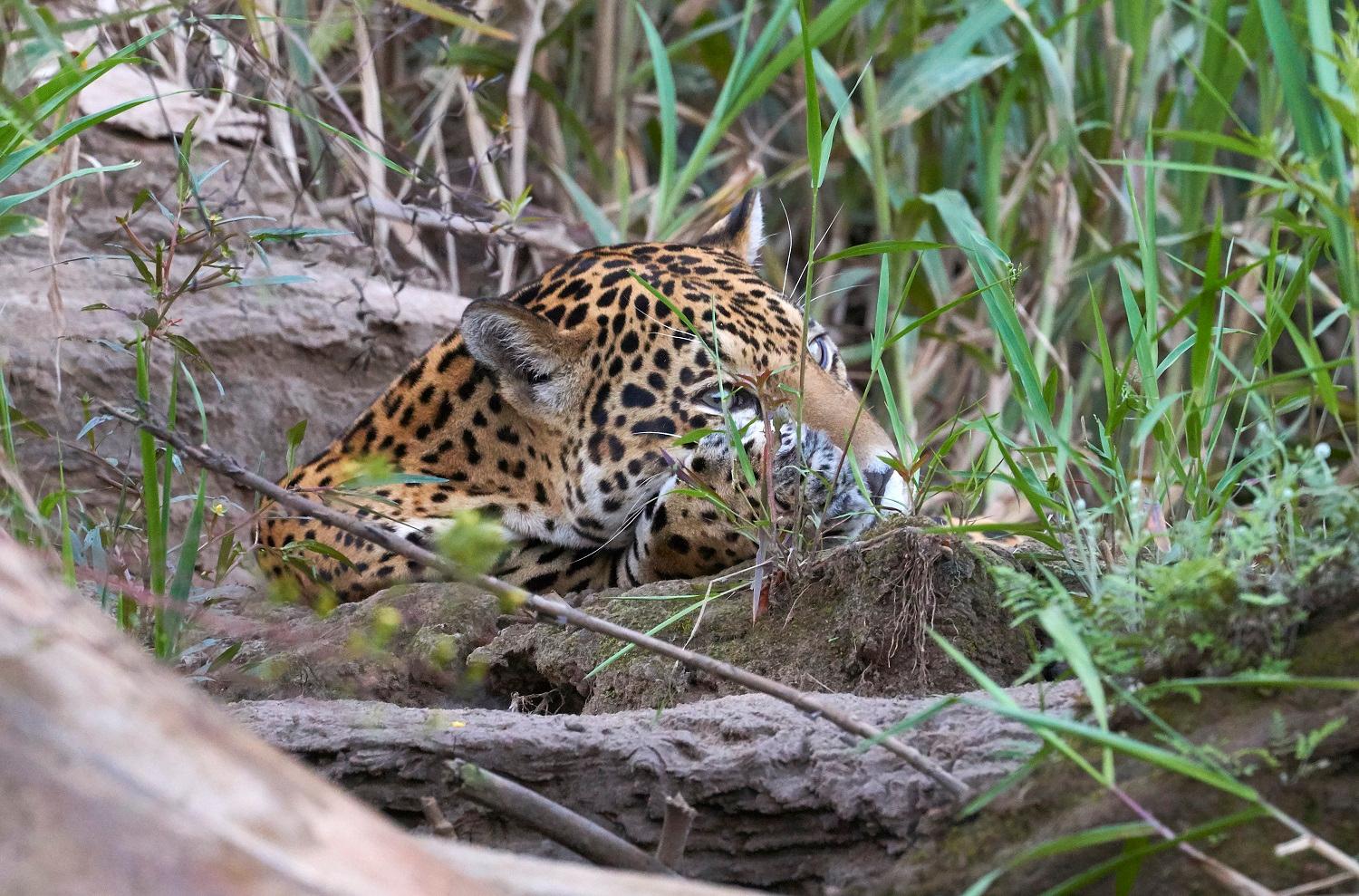
The Amazon hosts the highest number of birds in the world, with at least 1,300 species, of which approximately 265 are endemic. Endemism is high in the Amazonian lowlands, with around 34% of mammals, 20% of birds, and 58% of freshwater fishes found nowhere else on Earth.
—————————-
The foreword of the SPA report states that: “The Amazon merits every superlative thrown its way: unique, irreplaceable, mega-diverse, invaluable, and gravely endangered.” I am fortunate to have personal experience of working in the Peruvian Amazon and I couldn’t agree more with every word. But I would like to add one more: interconnected. Think of the Amazon as the Internet. Just as a cyber-attack or faulty software update can wreak havoc worldwide and cost billions, so the breaking of a part of the delicate web of life that is the Amazon can weaken or destabilise it, causing reverberations to be felt throughout the region and well beyond.
Humanity would do well to remember that.
Etiquetas
- Amazon
- Nature
Artículos relacionados
- Regeneramos Juntos
- Abancay
- Machu Picchu
- Regeneramos Juntos
- Abancay
- Machu Picchu
Leer artículoLa hoja de ruta ambiental: cómo acompañamos este proceso
Margony Palacios