
Regenerate Together
How and why communicate the environmental impact of your organization?

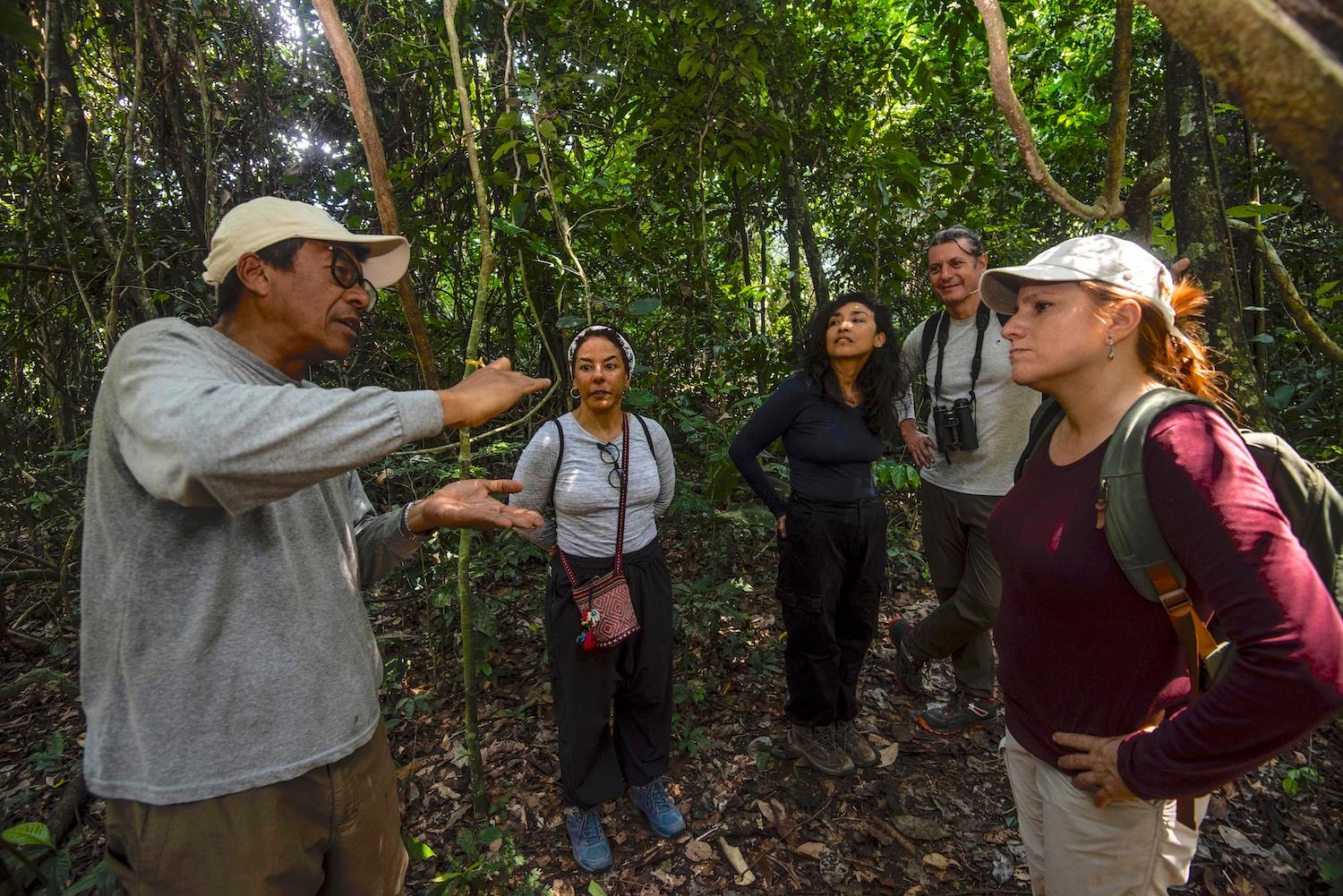
Organizations have the opportunity to lead the change towards a more sustainable future, acting as multipliers of ideas and actions that benefit society. But in addition to acting, it is important to communicate what is being done. Sharing progress, challenges and results in environmental management not only strengthens a company’s reputation, but also positions it as a benchmark that can inspire others to take the same path.
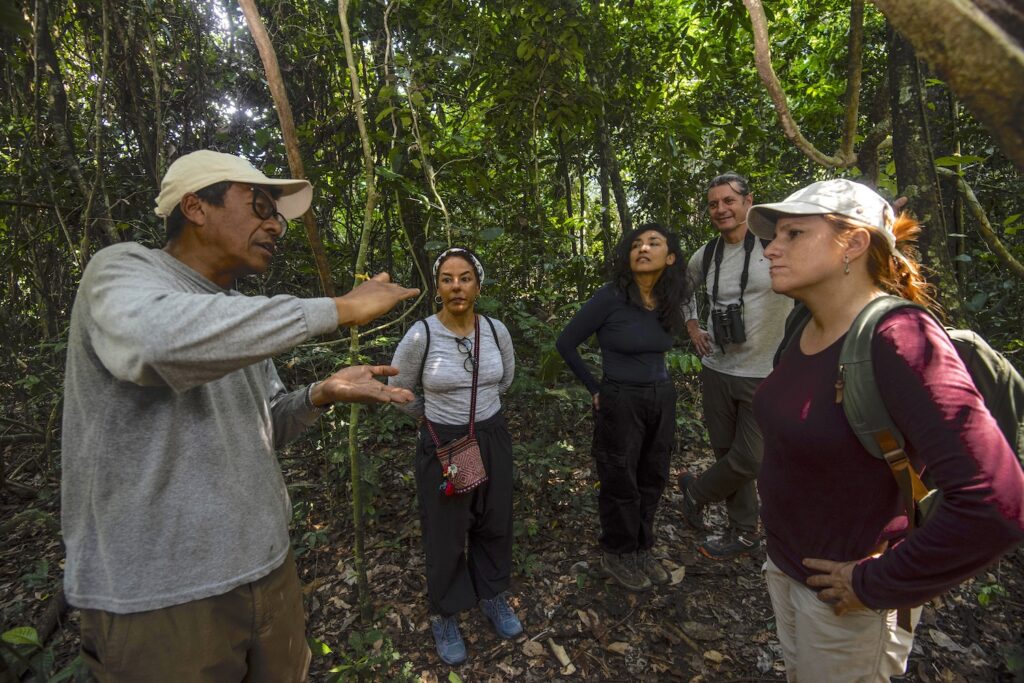
Visit to Cocha Cashu Biological Station, an ally of the Manu Landscape.
At Regenera we support environmental management at three levels: Know, Improve and Lead. This strategy starts with measurement, includes the development of an action plan with specific objectives and indicators, and seeks to project this work outward, with a view to generating a multiplier effect that will benefit more organisations.
Communicating your impact is actually a way to strengthen trust, bonds and the meaning of the actions you take. If your organisation is already measuring and reducing its environmental footprint, here are some ideas for communicating it.
How to communicate
Talking about sustainability does not have to be cold or technical. It can be an invitation to show, from the narrative, how everyday decisions are generating real change.
The language must be clear and approachable, so that everyone – customers, allies or collaborators – can understand what is being achieved. Data are important, but so are the people behind them. Therefore, combine measurable indicators with examples of good practices, real anecdotes images or videos that convey emotion.
Today’s social networks offer multiple formats: this topic can be the opportunity to create a campaign that tells your story through videos, infographics, photographs or short narratives. Explore the possibilities offered by technologies to amplify the message.
What to communicate
Effective environmental communication builds trust because it conveys clarity and transparency. Some key elements you can include are:
Measurement and indicators: Explain what environmental aspects you are evaluating. Examples might include carbon emissions, resource use, ecosystem restoration, energy savings or positive social impact. These indicators are complementary. Explain how you made the decision to embark on this journey and what your starting point was.
Goals and commitments: Talk about the goals your company has set out to achieve. Be honest about the difficulties of the process: we all know that there are challenges, and talking about them also allows you to understand the resilience and learning capacity of your team.
Concrete actions: It shows the initiatives that are underway to achieve these objectives. This process involves all levels of the organisation, from management to operational roles. You can tell how this commitment is lived from each part.
At Regenera, for example, we work with indicators linked to the management of the footprint management and Nature management. When you decide to offset your footprint, you are directly supporting Guardians of the landscapes. These results can be seen in figures, but also in stories of daily effort, where each community is weaving networks with other actors in the territory, building a living chain for the regeneration of landscapes.
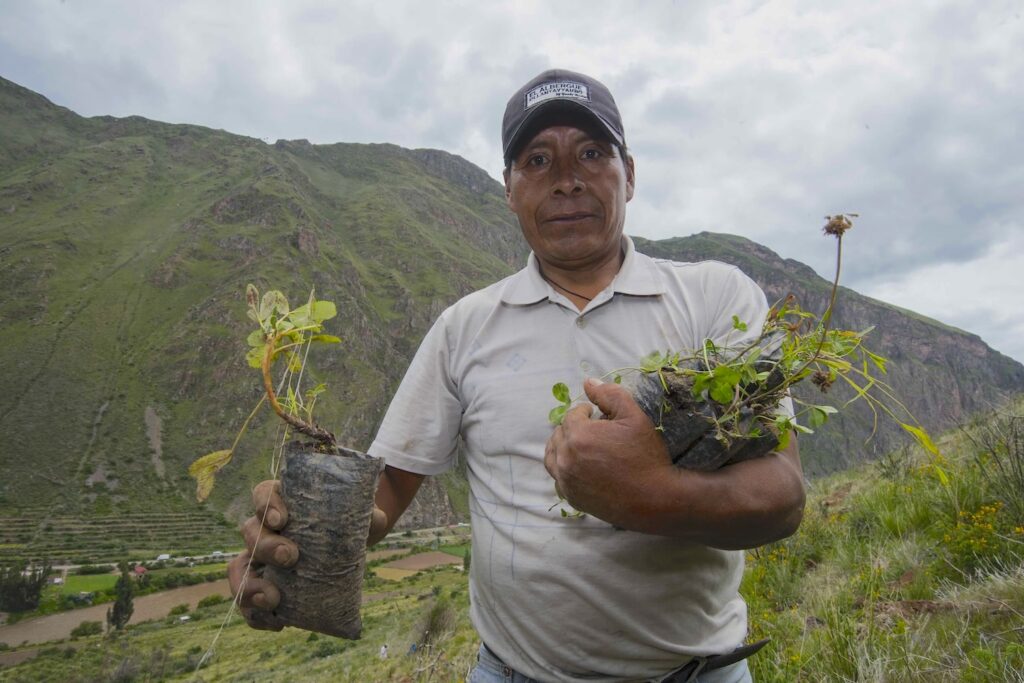
Reforestation in practice.
Why it matters to talk about it
Talking about your impact can strengthen the internal culture and motivate a team that sees itself represented in the history of the organisation. In addition, by sharing learnings, you educate, inspire and open conversations around a topic of vital importance for this and future generations.
Seen in this light, communicating your environmental impact is not just a strategy: it is a form of leadership. A company that succeeds in communicating its impact well becomes more human, more coherent and more capable of sustaining meaningful relationships with its environment.
Mini guide: first steps to communicate your environmental impact
In closing, we leave you with a brief checklist on how to approach the task of communicating your journey towards a positive environmental impact:
- Start from the beginning: tells how you decided to start this transformation and why.
- Establish a baseline and clear goals.
- Communicate your impact indicators and give a voice to the people who live this transformation on a daily basis.
- Document your progress with data and evidence.
- Be transparent about challenges and learnings.
- Choose attractive formats to share your story.
At Regenera, we believe that every story of change adds up, and that telling it and that telling it also transforms. Therefore, communicating your environmental impact is both a strategic and ethical decision.
Tags
- Nature positive
- Communication
Related articles

- Regenerate Together
- Abancay
- Machu Picchu
Read articleThe environmental roadmap: how we accompany this process
Margony Palacios
- Regenerate Together
- Abancay
- Cañete
Read articleFour keys to understanding why regeneration is necessary
Margony Palacios